What is konjac? A complete guide to its efficacy, weight loss evidence, and food safety.
Konjac (also known as devil's tongue) is a gel-like food made by grinding the tubers of plants in the genus Amorphophallus into powder, adding water and alkali, and then solidifying it.Its main component isGlucomannan (KGM)—A type of water-soluble dietary fiber that expands significantly after absorbing water. Because of this "water-absorbing and swelling" property, konjac has become a low-calorie food choice for many people who want to control their food intake and manage their weight. The European Food Safety Authority (EFSA) has endorsed two health claims related to glucomannan:Under a calorie-restricted diet, 3 grams daily can help with weight loss; 4 grams daily can help maintain normal blood cholesterol levels.However, there are also easily overlooked safety details about konjac – especially...The risk of choking on mini cup konjac jellySince April 1, 2026, Hong Kong has banned the sale of mini cup-sized konjac jelly with a height or width not exceeding 45 mm. This article will explain the ingredients of konjac, evidence of its efficacy, common misconceptions, and safety precautions to be aware of when consuming and purchasing it.
What is konjac? Its components and properties.
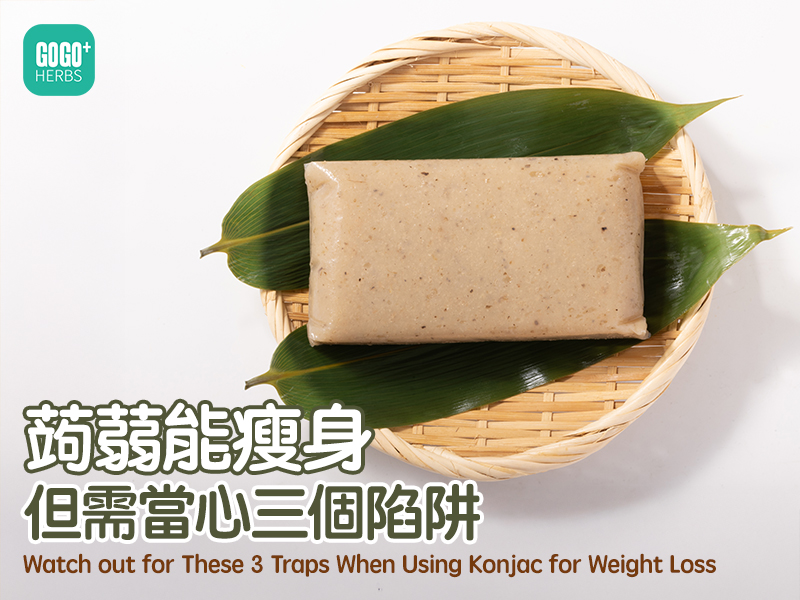
Konjac comes from plants of the genus Amorphophallus in the family Araceae (scientific name: Amorphophallus konjac). Amorphophallus konjacThe tuber of konjac. In Hong Kong and Japan, it is often called "konnyaku" (Japanese: こんにゃく), while in mainland China it is often called "magic taro". Its production method is roughly as follows: slice the tuber, dry it, grind it into konjac powder, add water and stir it into a paste, then add edible alkali (such as calcium hydroxide) and heat it to make glucomannan coagulate into an elastic gel. Finally, remove the alkaline taste with a lot of water, and it becomes the flat konjac or konjac shreds (white konjac) sold in the market.
Konjac has a long tradition of being used for food and medicine in East Asia. As early as the Western Jin Dynasty, Zuo Si's "Ode to the Capital of Shu" recorded "konjac in its gardens," reflecting that it was already being cultivated at that time. Later, konjac was introduced to Japan and became a common ingredient in oden, hot pot, and everyday dishes. It is commonly said that "the Compendium of Materia Medica records that konjac was used for medicinal purposes more than 2,000 years ago," but the two dates don't match up—the Compendium of Materia Medica was written in the Ming Dynasty (16th century), while records of konjac in China date back to the Wei and Jin Dynasties. A more accurate statement is:Konjac has been cultivated and consumed in East Asia for over 1,700 years, and it is also recorded in traditional Chinese medicine texts.。
Compared to other vegetables, the most distinctive feature of konjac is...It contains almost no digestible carbohydrates, fats, or proteins.It is composed of about 97% water and the remainder is mainly dietary fiber. Therefore, it is extremely low in calories, yet provides a considerable chewiness and satiety, which is why it is widely used as a "staple food substitute" or "additional ingredient".
Glucomannan: The main component of konjac
The core ingredient of konjac isGlucomannanIt is a polysaccharide composed of two monosaccharides, glucose and mannose, and belongs to...Water-soluble dietary fibreIts key features are twofold:
- It expands significantly after absorbing water:Glucomannan can absorb about 50 times its own weight in water, forming a highly viscous gel (some sources cite an expansion ratio of 50 to 100 times). The more water, the thicker the gel, which is why konjac needs to be consumed with sufficient water.
- It is almost never digested or absorbed by the human body.Glucomannan passes through the small intestine without being broken down and has very low calories; once it reaches the large intestine, it is partially fermented by intestinal bacteria to produce short-chain fatty acids.
It is this physical property of being a "viscous gel" that gives glucomannan most of its health benefits—it can occupy volume in the stomach, slow down gastric emptying, and slow down the absorption of sugars and fats in the intestines. The relevant evidence will be explained one by one below.
Four Health Benefits of Konjac and Research Evidence
1. Helps with weight management and increases satiety
This is the most well-known function of konjac. The gel, after absorbing water and swelling, increases the volume of stomach contents and slows gastric emptying, thus providing a longer-lasting feeling of fullness and helping to reduce overall calorie intake.The European Food Safety Authority (EFSA) has approved the relevant health claims.:existCalorie restriction dietIn this case, consuming 3 grams of glucomannan daily (divided into three doses of 1 gram each, taken with 1 to 2 cups of water before meals) can help with weight loss.
Regarding research evidence: A meta-analysis of 14 randomized controlled trials involving 531 participants found that those supplementing with glucomannan weighed an average of approximately 0.79 kg less than the control group (Sood et al., 2008); another systematic review showed that short-term (approximately 2 to 8 weeks) supplementation may help with weight loss in overweight or obese adults, but no significant effect was observed on body mass index (BMI) (Zalewski et al., 2015). Overall,Glucomannan is best suited as an adjunct to a balanced diet and weight management program.—It works only when "the overall diet has controlled calories", rather than relying on it alone to lose weight.
2. Helps maintain normal blood cholesterol levels
Glucomannan is a viscous, water-soluble fiber that can bind to bile acids in the intestines, increasing the excretion of bile acids in feces. This prompts the liver to utilize more cholesterol to produce bile acids, indirectly increasing the clearance of low-density lipoprotein cholesterol (LDL-C) in the blood. This mechanism is similar to that of psyllium husk and oat beta-glucan.EFSA has also approved the health claim that "4 grams of glucomannan daily helps maintain normal blood cholesterol."
In human studies, meta-analyses have shown that glucomannan supplementation can lower total cholesterol (average -19.3 mg/dL), LDL-C (approximately -16.0 mg/dL), and triglycerides (approximately -11.1 mg/dL) (Sood et al., 2008). A more recent meta-analysis including 12 trials and 370 participants also supports that approximately 3 grams of glucomannan daily can lower LDL-C by approximately 101 TP4T and non-HDL-C by approximately 71 TP4T (Ho et al., 2017). It is important to note that these effects represent nutritional support for "improving lipid indicators" and cannot replace prescribed lipid-lowering treatments.
3. Helps control postprandial blood sugar
The viscous gel formed by glucomannan slows down the breakdown and absorption of carbohydrates in the intestines, resulting in a more gradual rise in postprandial blood glucose. Studies have found that dietary supplementation with glucomannan helps improve glycemic control in patients with type 2 diabetes: a randomized, double-blind, crossover trial in patients with type 2 diabetes and high cholesterol showed that after daily supplementation with 3.6 grams of glucomannan for 28 days, fasting blood glucose decreased by an average of approximately 23.21 TP4T, and LDL-C decreased by approximately 20.71 TP4T (Chen et al., 2003); another study observed a decrease in serum fructosamine, which reflects short-term glycemic control, of approximately 51 TP4T (Vuksan et al., 1999; Vuksan et al., 2000).
It should be noted that the common belief that konjac "promotes insulin secretion" is inaccurate—the function of glucomannan mainly lies in...Delaying postprandial glucose absorptionIt does not stimulate insulin secretion. It's also important to note that related blood sugar health claims have not been approved by the EFSA in the EU, and research in this area is still ongoing; dietary arrangements and medication adjustments for diabetic patients must be followed up by a doctor or registered dietitian.
IV. Helps with intestinal peristalsis and maintains regular bowel movements
As a dietary fiber, glucomannan can increase stool volume, soften stool, and promote intestinal peristalsis. A study of healthy adults found that after daily supplementation with 4.5 grams of glucomannan for 21 days, bowel movement frequency increased by approximately 271 TP4T, wet stool weight increased by approximately 301 TP4T, and the number of lactobacilli and bifidobacteria in the gut increased, along with more active colonic fermentation (Chen et al., 2006). Another randomized, double-blind study showed that children with chronic constipation who supplemented with glucomannan had a significantly higher rate of improved bowel movements than the control group (Loening-Baucke et al., 2004).
In other words, konjac's benefits to the intestines are...Dietary fiber supports normal bowel movements and defecation function.This is different from the common description of it as a "detox tool"—the human body already has its own metabolic and excretory systems, such as the liver and intestines. The role of dietary fiber is to maintain the smooth functioning of these systems, not to "remove toxins." For more information on dietary arrangements that promote bowel movements, please read further.Fourteen Foods to Help Relieve Constipation〉。
Verification: Are the "WHO Top Ten Health Foods" and "Designated Ingredients of Japan" genuine?
The internet and some media outlets often describe konjac as follows: "It has been recognized by the World Health Organization (WHO) as one of the world's top ten health foods and has been listed by the Japanese government as a designated food for preventing diabetes." These two statements...No evidence was found.These are worth clarifying one by one.
The World Health Organization has never published a list of the "Top Ten Health Foods".
The World Health Organization (WHO) has never published any "healthy food rankings" or "top ten health foods" lists. The WHO Representative Office in China has previously clarified that "the WHO has never published a healthy food ranking list." These so-called "top ten" lists often circulate online and in the media, lacking official sources. The WHO's true dietary recommendations are...Balanced diet, variety, and plenty of fruits and vegetables(Adults should consume at least 400 grams of fruits and vegetables daily) - Konjac, as a low-calorie, high-fiber food, does indeed have a place in a balanced diet, but it is inaccurate to call it one of the "Top Ten Health Foods Certified by the WHO".
Japan does not have a system that designates konjac as a food for preventing diabetes.
Japan's regulations on the health benefits of food are based on"Foods for Specified Health Use" (FOSHU, Japanese "トクホ")The regulatory process involves the Consumer Affairs Agency reviewing the effectiveness and safety of each product item by item. Only after passing the review can specific health uses be labeled on the packaging. Under this system, ingredients listed as being related to blood sugar include indigestible dextrin and wheat albumin.Konjac (glucomannan) is not one of the designated ingredients, and the concept of "designated food for diabetes prevention" does not exist in the Japanese system.Konjac is a very common low-calorie food in Japan, that much is certain, but the statement that "the Japanese government designates it to prevent diabetes" is misrepresenting a scientific concept as a government policy, which is inaccurate.
Explaining the above two points is not to deny the value of konjac—its low calories, high fiber, and feeling of fullness are genuine advantages, but...It is inappropriate to use non-existent "official authority" to enhance its effectiveness.。
Ingredients, calories, and sugar content of commercially available konjac products
"Konjac" is actually a broad category of products on the shelf, with significant differences in calories and sugar content. Below is a comparison of several common types:
| PRODUCTS | Main ingredients | Approximately per 100 grams (reference value) | Precautions |
|---|---|---|---|
| Konjac (block-shaped konjac) | Konjac powder, water, calcium hydroxide | Approximately 5 to 10 kcal; dietary fiber approximately 2 to 3 grams. | It has no inherent taste, but it is advisable to blanch it before eating to remove the alkaline taste. |
| Konjac noodles / Konjac noodles (white konjac noodles) | Konjac powder, water, calcium hydroxide | Approximately 7 kcal | If wheat flour is added to the product, the carbohydrate and calorie content will increase significantly; please check the ingredient list. |
| Konjac Jelly | Konjac powder, water, sugar, juice | Depending on the formula | A mini cup contains approximately 5 grams of sugar and about 20 kilocalories (equivalent to one sugar cube); please be aware of the sugar content and the risk of choking. |
| Konjac snacks (vegetarian squid, konjac snacks, etc.) | Konjac powder, seasonings, oil | The differences are significant. | Seasoning and oil can make konjac significantly higher in calories than plain konjac. |
There are two points that need to be clarified. First,Pure konjac noodles (Shirataki) are indeed mainly composed of konjac powder and water.Konjac noodles are very low in calories; however, there are also "konjac mixed noodles" on the market that add wheat flour to improve the texture. These products have carbohydrate and calorie content similar to regular noodles, so when purchasing, don't just look at the word "konjac"; check the ingredient list and nutrition label. Secondly,Konjac itself has a very mild taste.Since sugar or flavoring is often added during processing, "made with konjac" does not mean "low sugar and low calories"—konjac jelly and konjac snacks are often major sources of sugar and calories.
Three things to note when consuming konjac.
1. Be wary of hidden sugars and calories in processed foods.
Konjac jelly is a common snack, but since konjac itself is tasteless, sugar and fruit juice are usually added for flavoring during production. A mini cup of konjac jelly contains about 5 grams of sugar and approximately 20 kilocalories, equivalent to a sugar cube; if you eat several at once, the sugar will accumulate quickly. Konjac snacks (such as vegetarian squid and konjac jelly) are also often processed with oil and seasonings, making them relatively high in calories. Therefore, when purchasing, it is advisable to compare the sugar and calorie information of different products and control portion sizes.
2. Konjac should not be used alone for weight loss or to completely replace staple foods.
Carbohydrates are the body's (especially the brain's) primary energy source and are generally recommended to make up a significant proportion of total daily calories. If konjac completely replaces staple foods like white rice and noodles for a long period without supplementing with other whole grains, insufficient carbohydrate and calorie intake can easily occur, potentially leading to lethargy, difficulty concentrating, and fatigue. The key to weight management remains...A balanced diet and consistent calorie controlKonjac is suitable for "increasing portion sizes and boosting satiety," not for replacing regular meals. To understand why extreme diets are often difficult to maintain, see the following article:Dieting and weight regain〉。
3. Those with weak digestive systems should gradually control portion sizes.
Konjac is high in fiber. If consumed in large quantities without adequate water and chewing, some people may experience bloating, stomach discomfort, or even changes in bowel movements. Those with weak digestive systems or prone to bloating should start with small portions and gradually increase them, ensuring they drink sufficient water with each meal. In rare cases, there have been case reports of serious consequences, such as gastrointestinal obstruction, resulting from consuming large amounts of poorly chewed konjac products in a short period.Chew thoroughly, drink enough water, and eat in moderation.This is the basic principle for consuming konjac.
Choking Risk: Which Konjac Products Require Special Caution?
This is a point that was not mentioned in the original manuscript, but is most important for Hong Kong readers to know.Konjac jelly has a firm texture and does not easily melt in the mouth.If the mini-cup-sized product is inhaled and swallowed whole, it may become lodged in the airway and cause choking. Several regions have already taken measures to address this issue.
- The U.S. Food and Drug Administration (FDA) warned of the choking risk of konjac jelly as early as 2001 and has maintained import warnings for this type of mini cup jelly candy ever since.
- The European Union banned the use of konjac (E425) additive in mini cup jellies in 2004.
- Australia has banned mini jelly cups containing konjac that are 45 mm or less in height or width.
Hong Kong sideThe Food and Drugs (Composition and Labelling) (Amendment) Regulation 2025 has been implemented. April 1, 2026Implementation:Mini cup-sized konjac jelly, with a height or width not exceeding 45 mm, is prohibited from being sold on the market.Other pre-packaged jellies containing konjac must display a warning in both Chinese and English in a prominent location on the packaging: "Caution: Do not swallow whole. Elderly and children must consume under supervision." A previous incident in Hong Kong where a child choked on konjac jelly prompted the authorities to enact regulations.
The Centre for Food Safety recommends the following safe eating habits:Do not suck out the small cup of konjac jelly directly from the packaging.Cut the konjac jelly into small pieces and eat it with a spoon; eat it in small bites, chew it thoroughly, and swallow it before taking the next bite;Do not give small cups of konjac jelly to young children or the elderly.Children and the elderly should consume other konjac products under supervision. Firm foods such as konjac noodles and konjac jelly should also be chewed thoroughly, especially for children and the elderly.
How to choose glucomannan supplements? Dosage form and dosage
Besides using konjac in cooking, there are also dietary fiber supplements on the market that are mainly composed of glucomannan. Common dosage forms include powder, capsules, and tablets. When purchasing and using them, please keep the following points in mind:
- Dosage reference:If the goal is weight management, the EU-approved reference usage is:Take 3 grams daily, divided into three doses, each with 1 to 2 cups of water, approximately 15 to 30 minutes before meals.If the goal is to maintain healthy blood cholesterol levels, the recommended daily intake is 4 grams.
- Make sure to add enough water:Glucomannan swells rapidly after absorbing water, so it must be thoroughly mixed with a large glass of water before consumption; never swallow it dry. Taking it in powder or capsule form with sufficient water is generally safer than in tablet form.
- Avoid high-risk dosage forms:Tablets that begin to expand in the mouth or esophagus and fail to reach the stomach in time have caused esophageal or intestinal obstruction in some cases, leading to restrictions on this type of dosage form in Canada, Australia, and other places.People with difficulty swallowing, esophageal stricture, or a history of gastrointestinal obstruction should not take these supplements.
- Increase sequentially:Those who are supplementing with dietary fiber for the first time should start with a small dose to allow their digestive system to adapt, thereby reducing bloating or discomfort.
If you have a chronic illness or are taking long-term medications, you should consult a doctor or registered dietitian before choosing any fiber supplement.
Drug interactions: Long-term users should be aware.
Viscous water-soluble fibers (including glucomannan) can form gels in the intestines.It may slow down or reduce the absorption of oral medications.This can affect the efficacy of the medication. The general recommendation is:The timing of taking other oral medications should be at least 1 hour (medication first) or 4 hours (fiber first) apart from taking konjac or glucomannan supplements.The following types of medications require particular attention:
- Thyroid medications (such as levothyroxine):Absorption is easily affected by fiber, so it is recommended to separate from glucomannan by at least 4 hours.
- Diabetes medications (insulin, oral hypoglycemic agents):Glucomannan itself helps slow down the rise in blood sugar. When used with hypoglycemic drugs, attention should be paid to the risk of hypoglycemia, and blood sugar should be monitored as directed by the doctor.
- Fat-soluble vitamins (A, D, E, K) and iron supplements:Absorption may be affected; it is recommended to wait at least 2 hours.
- Anticoagulants (such as warfarin):Changes in absorption may affect drug efficacy and bleeding risk; coagulation indicators must be monitored by a doctor before and after starting supplementation.
If you are taking the above or other long-term medicationsDo not adjust the dosage on your own.Before you start taking konjac products or glucomannan supplements, please consult your doctor or pharmacist.
Who should consult a doctor before consuming this product?
Konjac is a common food ingredient, and most people can eat it in moderation without any problems; however, the following individuals should consult a doctor or registered dietitian first, and pay special attention to the amount, chewing, and water content:
- People with swallowing difficulties, young children, and the elderly:The risk of choking is high, so small cups of konjac jelly should be avoided. Other firm konjac products should be cut into small pieces and eaten under supervision.
- Those with esophageal stricture, gastrointestinal obstruction, or a related medical history:It is not advisable to take fiber supplements with high bulking properties.
- Gastrointestinal conditions such as gastroparesis and acute irritable bowel syndrome:The type and amount of fiber must be assessed individually.
- Patients with diabetes, thyroid disease, and those taking long-term medications:It is important to be aware of the impact of blood sugar on drug absorption.
- Pregnant women and breastfeeding women:Information on high-dose supplements is limited, so it is advisable to consult a doctor first (there are no special restrictions on the moderate consumption of konjac as a general food).
When should you seek medical attention?If you experience persistent abdominal pain, bloating, vomiting, difficulty swallowing, or significant changes in bowel habits after consuming konjac products, seek medical attention immediately. If you suspect choking and experience difficulty breathing, inability to speak, or coughing, call [phone number] immediately. 999 Call emergency services.
Frequently Asked Questions
Does konjac really help with weight loss?
The principle behind konjac's weight-loss benefits lies in its main component, glucomannan, which swells into a viscous gel after absorbing water. This increases stomach volume and slows gastric emptying, thereby enhancing satiety and helping to reduce overall calorie intake. The European Food Safety Authority has approved 3 grams of glucomannan daily for weight loss under calorie-restricted diets. It is important to emphasize that this is a "supportive" effect—it must be combined with a balanced diet and consistent calorie control; weight loss cannot be achieved solely by eating konjac.
Is konjac really "zero" calories?
Pure konjac (flat konjac, konjac noodles) is extremely low in calories, with only about 5 to 10 kcal per 100 grams. This is because it is about 97% water and the rest is mostly dietary fiber that is almost indigestible, so nutrition labels often indicate it is close to zero calories. However, it should be noted that not all "konjac products" are low in calories—konjac jelly and konjac snacks often contain added sugar, fruit juice, or oil, and their calorie content can be significantly higher.
Can konjac noodles replace white rice long-term?
It is not recommended to completely replace konjac noodles in the long term. While konjac noodles are low in calories, they are also limited in nutrients such as carbohydrates and protein. If you replace all your staple foods with konjac noodles for a long time without supplementing them with other whole grains and protein foods, you are prone to energy and nutritional deficiencies, leading to lethargy. The ideal approach is to use it as an ingredient to "increase the portion size of dishes and enhance satiety," pairing it with meat, eggs, soy products, and vegetables, rather than replacing your entire meal's staple food.
Is it safe for children to eat konjac jelly?
Mini cup konjac jelly poses a higher risk of choking.It is not recommended to feed this to young children or the elderly.Even in other forms of konjac jelly, it should be cut into small pieces, fed with a spoon, and supervised by an adult, teaching children to chew thoroughly before swallowing. Hong Kong has banned the sale of mini cup-sized konjac jelly with a height or width not exceeding 45 mm since April 1, 2026.
Are konjac and konjac the same thing?
Yes. Both refer to the same plant (scientific name). Amorphophallus konjacKonjac and its products are simply called by different names: in Hong Kong and Japan, they are mostly called "konjac", while in mainland China, they are mostly called "konjac". Konjac powder, konjac gel, and white konjac shreds are all its product forms.
Will eating konjac affect drug absorption?
Yes. Mucous fibers such as glucomannan can form a gel in the intestines, potentially slowing or reducing the absorption of oral medications. It is generally recommended to separate other oral medications from konjac or glucomannan supplements by at least 1 hour (medication first) or 4 hours (fiber first); thyroid medications (levothyroxine) should be taken at least 4 hours apart. If you are taking long-term medications, consult your doctor or pharmacist before starting supplementation.
How much konjac can you eat every day?
Konjac can be used as a common ingredient in cooking, and should be consumed in moderation. The key is to combine it with other ingredients and not to completely replace regular meals. If using glucomannan supplements, refer to the EU-approved usage guidelines: 3 grams daily (divided into three doses, taken with water before meals) for weight management, or 4 grams daily for maintaining blood cholesterol. Those starting fiber supplementation should begin with a small dose to allow their digestive system to adapt.
Konjac contains calcium, can it replace milk for calcium supplementation?
Not suitable. While 100 grams of konjac contains approximately tens of milligrams of calcium, this calcium primarily comes from the calcium hydroxide coagulant added during processing, not from the konjac itself. Furthermore, the amount of konjac consumed by the average person at one time is limited, making it unlikely to be a primary source of calcium. Calcium supplementation should primarily come from dairy products, calcium-fortified soy products, and dark green vegetables; konjac should not be considered a main source of calcium.
Can konjac improve constipation?
As a dietary fiber, konjac helps increase stool volume and promote intestinal peristalsis, which is beneficial for maintaining regular bowel movements. Studies have shown that supplementing with glucomannan can increase bowel movement frequency and stool weight, and the rate of improvement in constipated children after supplementation was higher than that in the control group. However, improving constipation requires adequate intake of water and various types of fiber at the same time; if constipation persists, or is accompanied by abdominal pain, bloody stools, weight loss, etc., medical attention should be sought.
Can diabetics eat konjac?
It can be part of a balanced diet. Konjac is low in calories and high in fiber, which helps increase satiety and slows the rise in blood sugar after meals, thus positively impacting weight and blood sugar management. However, two points should be noted: first, some processed konjac products contain sugar, so check the nutrition label; second, glucomannan may affect the absorption of oral hypoglycemic drugs and increase the risk of hypoglycemia. The diet and medication regimen for diabetic patients should be monitored by a doctor or registered dietitian; never adjust medications on your own.
Data Sources and Health Disclaimer
Source:
- Hong Kong Centre for Food SafetyYou should know the choking risks of konjac jelly.(Safe eating habits, suggestions for citizens and industry professionals).
- Hong Kong Centre for Food SafetyThe Food and Drugs (Composition and Labelling) (Amendment) Regulation 2025 will be implemented on April 1st next year.(45mm mini cup konjac jelly is prohibited from sale; warning label requirements apply).
- Hong Kong Department of Health: "Living a Healthy New Direction".Dietary fiber(Daily dietary fiber recommendations for adults).
- Centre for Health Protection, Department of Health, Hong Kong.Daily fruits and vegetables (two plus three)(Recommended serving sizes of fruits and vegetables).
- European Food Safety Authority (EFSA).Scientific Opinion on the substantiation of health claims related to konjac mannan (glucomannan)(Approval conditions for weight management and blood cholesterol health claims).
- Japan's Consumer Affairs Agency.Foods for Specified Health Uses (FOSHU) System(Product review and licensing on a case-by-case basis).
- Japan's Ministry of Health, Labour and Welfare.Specified health food food(Licensing requirements).
- U.S. Food and Drug Administration (FDA).Import Alert 33-15:Mini-cup gel and jelly candies of firm consistency that present risk of choking(Choking Risks and Import Warnings of Konjac Mini Cup Jelly).
- European Union.Commission Decision 2004/374/EC(Konjac E425 is prohibited in mini cup jelly).
- World Health Organization.Healthy diet(A balanced diet and a daily intake of 400 grams of fruits and vegetables are recommended).
- Sood N, Baker WL, Coleman CI. Effect of glucomannan on plasma lipid and glucose concentrations, body weight, and blood pressure: systematic review and meta-analysis. Am J Clin Nutr. 2008. PMID 18842808。
- Ho HVT et al. A systematic review and meta-analysis of RCTs of the effect of konjac glucomannan on LDL cholesterol, non-HDL cholesterol and apolipoprotein B. Am J Clin Nutr. 2017. PMID 28356275。
- Chen HL et al. Konjac supplement alleviated hypercholesterolemia and hyperglycemia in type 2 diabetic subjects — a randomized double-blind trial. J Am Coll Nutr. 2003. PMID 12569112。
- Chen HL et al. Konjac acts as a natural laxative by increasing stool bulk and improving colonic ecology in healthy adults. Nutrition. 2006. PMID 17027233。
- Vuksan V et al. Konjac-mannan (glucomannan) improves glycemia and other associated risk factors for coronary heart disease in type 2 diabetes. Diabetes Care. 1999. PMID 10372241。
- Vuksan V et al. Beneficial effects of viscos dietary fiber from Konjac-mannan in subjects with the insulin resistance syndrome. Diabetes Care. 2000. PMID 10857960。
- Loening-Baucke V, Miele E, Staiano A. Fiber (glucomannan) is beneficial in the treatment of childhood constipation. Pediatrics. 2004. PMID 14993586。
- Zalewski BM, Chmielewska A, Szajewska H. The effect of glucomannan on body weight in overweight or obese children and adults: a systematic review of randomized controlled trials. Nutrition. 2015. PMID 25701331。
Health Disclaimer:This article is for general health and nutrition information only and should not replace professional medical diagnosis, treatment, or individual nutritional advice. Everyone's health condition, dietary needs, and disease risks are different; the amount and method of consumption should be adjusted according to individual circumstances. If you have chronic diseases (such as diabetes, thyroid disease, kidney disease, cardiovascular disease), difficulty swallowing, gastrointestinal diseases, or are taking long-term medications, you should consult a doctor or registered dietitian before consuming konjac products or glucomannan supplements. Special attention should be paid to the risk of choking when young children and the elderly consume konjac products, and adult supervision is required. If persistent discomfort, difficulty swallowing, or significant changes in bowel habits occur after consumption, seek medical attention as soon as possible.
Related Products:
-
Sale!

GINAX – Ginseng Tea Bag / Ginseng White Tea Rose Tea Bag | 1bag
Original price was: $13.00.$10.00Current price is: $10.00. 選擇規格 This product has multiple variants. The options may be chosen on the product page -
Sale!

GINAX – Manuka Honey UMF™ 5+ 30g
Original price was: $30.00.$25.00Current price is: $25.00. Add to basket -
Sale!

Single 10% off】aXimed – Recovery Speed 100% Whey Protein Powder 30 sachets
Original price was: $558.00.$502.00Current price is: $502.00. Add to basket -
Sale!

Livinglean – Organic Dietary Mineral Powder 8g x 20 sachets
Original price was: $368.00.$298.00Current price is: $298.00. Add to basket
Related Post:
![母親用滴管把少量植物藻油滴在食物匙上,幼兒坐在餐桌旁]()
A Complete Guide to Plant-Based Algae Oil Omega-3: Odorless, Vegetarian, and Suitable Omega-3 Choices for Pregnant Women and Infants
![牛樟芝子實體與膠囊製品示意]()
What is Antrodia camphorata? A complete guide to its ingredients, research evidence, and precautions for consumption.
![世界心臟日護心飲食場景,香港中年夫婦享用豆漿、豆腐、雞蛋與堅果,旁有心臟及細胞膜卡通示意]()
World Heart Day: Heart Health in Hong Kong Starts with Daily Life | What are the Benefits of Lecithin? Which of Three 1200mg Products to Choose From?
![香港關節健康洞察報告封面:中年及長者在香港步行]()
How to choose joint health supplements? 8 best-selling formulas and repurchase information help you find the right daily option.