
































































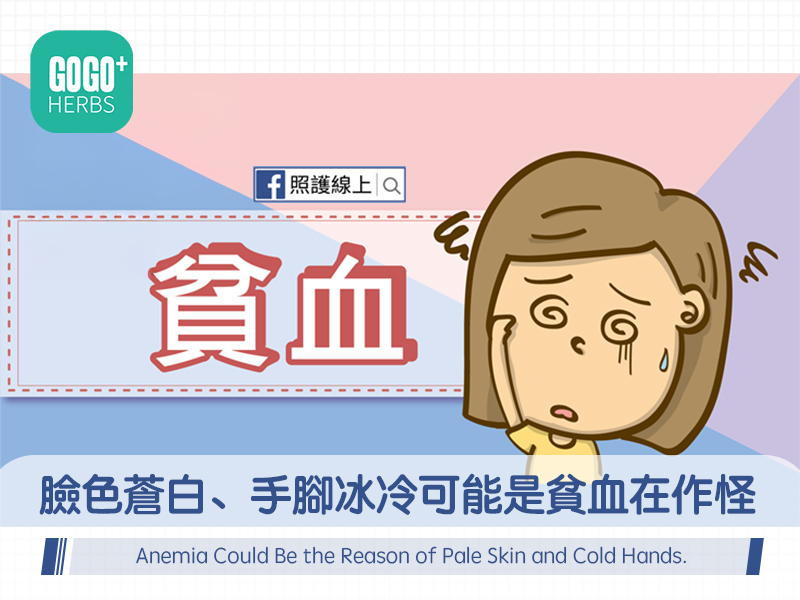
What is anemia? Common causes, types, and when to see a doctor.
Let's start with the key points:Anemia is not a single disease, but a state of "decreased blood oxygen-carrying capacity"—usually reflecting a lack of hemoglobin or red blood cells. Common symptoms include fatigue, dizziness, cold hands and feet, shortness of breath, and rapid heartbeat. There are many causes of anemia (from iron deficiency and nutrient inadequacies to chronic bleeding and genetic diseases).In most cases, a doctor needs to perform a blood test to find the cause before treating the underlying condition; you cannot rely solely on self-supplementation.This article is for medical education purposes and does not replace medical diagnosis and treatment.
⚠️ Medical Boundary Reminder:This article is compiled from medical science popularization materials and is intended for understanding anemia only. Whether you have anemia, what type it is, what supplements you should take, or whether you need medication must be determined by a doctor through blood tests. Any of the following instructions on "supplementing iron/B12/folic acid" or "adjusting your diet" should be done under the advice of a doctor or registered dietitian.
Table of contents
- Red blood cells and hemoglobin: the body's oxygen transport system
- What is anemia? How does the WHO define it?
- The three main causes of anemia are: blood loss, hemolysis, and reduced production of blood cells.
- Common types of anemia
- Who should pay more attention to anemia?
- When should you see a doctor?
- Frequently Asked Questions (FAQ)
- Source of information
Red blood cells and hemoglobin: the body's oxygen transport system
There are three main types of cells in the blood: white blood cells, which are responsible for fighting infection; platelets, which help with blood clotting; and...erythrocyteThey are responsible for transporting oxygen. Red blood cells are red because they contain an iron-containing protein—HemoglobinHeme carries oxygen from the lungs to all organs and tissues throughout the body, and transports carbon dioxide produced by the tissues back to the lungs for expulsion.
Red blood cells are differentiated and matured step by step in the bone marrow using nutrients such as iron, folic acid, and vitamin B12. After entering the bloodstream, they can survive for an average of approximately [number missing] days. 120 daysThe blood is then metabolized and cleared. When the number of red blood cells is insufficient or the hemoglobin concentration is inadequate, the oxygen-carrying efficiency decreases, and the body will experience fatigue, weakness, dizziness, cold hands and feet, shortness of breath, and rapid heartbeat; in severe cases, tissue hypoxia may occur, affecting cardiopulmonary function.
What is anemia? How does the WHO define it?
Simply put, anemia is a condition where the blood's "oxygen-carrying capacity" is insufficient. Medically, it usually refers to a hemoglobin concentration or red blood cell count that is below the normal range.
The World Health Organization (WHO) provides age and gender cutoff guidelines for anemia.Current common standardsFor: Hemoglobin levels below approximately [value missing] in non-pregnant adult women 12 g/dLMen are below approximately 13 g/dLPregnant women have a lower rate than approximately 11 g/dL(Age, altitude of residence, and pregnancy status can affect interpretation). The WHO also updated its hemoglobin cutoff guidelines for individuals and groups in 2024; details can be found in [reference needed]. WHO "Guideline on haemoglobin cutoffs to define anaemia"The interpretation values may vary slightly between countries and medical institutions.Whether or not someone is anemic should be determined by a doctor's examination and diagnosis.。
The WHO also states that iron deficiency is the most common cause of nutritional anemia, but deficiencies in folic acid, vitamin B12, and vitamin A are equally important. In addition, infections, inflammation, chronic diseases, gynecological and obstetric conditions, and hereditary red blood cell disorders can also cause anemia. See details. WHO Anemia Theme Page。
The three main causes of anemia are: blood loss, hemolysis, and reduced production of blood cells.
Anemia can be understood by considering "why there aren't enough red blood cells," and can be broadly categorized into three types:
1. Excessive blood loss (blood loss)
When blood is lost, the number of red blood cells naturally decreases. The causes could be acute trauma, a car accident, chronic gastrointestinal bleeding, or excessive menstrual bleeding in women. Gastrointestinal bleeding (such as from stomach ulcers or hemorrhoids) may present as black or bloody stools; however, if the bleeding is very slow, the stool color may not change, and patients often don't realize they are experiencing prolonged, light bleeding.
The amount of menstrual blood varies greatly among women (ranging from tens to hundreds of cc). Most women are only aware of their "normal" situation and only consider seeking medical attention if there are large blood clots, a large flow at once, or a need to frequently change sanitary products. Many women are unaware that their excessive menstrual bleeding has progressed to anemia.
2. Excessive destruction of red blood cells (hemolysis)
If red blood cells are destroyed prematurely before they reach 120 days of age, and the rate of destruction exceeds the rate of cell production in the bone marrow, anemia will occur.hemolytic anemiaIncreased damage can also lead to elevated levels of indirect bilirubin in the blood. Hemolysis can be caused by genetic factors (such as spherocytosis, which alters cell morphology) or by acquired factors—drugs, infections, or immune diseases such as lupus that cause antibodies to attack one's own red blood cells.
3. Reduced red blood cell production
Bone marrow may produce too few red blood cells due to chemical toxins, infections, drugs, or autoimmune diseases; it may also be affected by leukemia, cancer metastasis, or a lack of "raw materials"—a deficiency in iron, vitamin B12, or folic acid. There are many exact causes of anemia, medically classified into hundreds. Below are some commonly heard types.
Common types of anemia
Iron deficiency anemia
The most common type of anemia indicates insufficient iron stores in the body. It is more common in pregnant women, long-term vegetarians, breastfeeding mothers, and women with heavy menstrual flow. Doctors will usually first determine if there are any bleeding points and stop the bleeding (e.g., treating stomach ulcers or managing large uterine fibroids). If it is related to diet, they will recommend dietary adjustments and...Iron supplementation under a doctor's prescriptionDo not take high-dose iron supplements for extended periods without medical supervision.
Vitamin B12 and folic acid deficiency anemia
Eating too little meat may lead to a deficiency in B12, and eating too few vegetables may lead to a deficiency in folic acid; both are essential building blocks for red blood cell production. These deficiencies can be addressed through dietary adjustments and by taking oral supplements of B12 and folic acid as advised by a doctor or registered dietitian.
Pernicious anemia
The stomach needs to secrete intrinsic factor to allow ingested vitamin B12 to be absorbed. When intrinsic factor is insufficient, vitamin B12 absorption is hindered, leading to anemia. This type usually...If oral B12 cannot improve the condition, B12 supplementation via injection will be necessary after evaluation by a doctor.。
Thalassaemia
Hereditary anemia can range in severity from mild to severe. It is common in Southeast Asia, in addition to the Mediterranean region, and affects the maturation and differentiation of red blood cells. Mild cases may be asymptomatic throughout life, but the management of carrier and severe cases differs greatly, requiring diagnosis and follow-up by a hematologist.
Sickle cell anemia
Hereditary anemia is prevalent in Africa and India. Red blood cells change from the normal biconcave disc shape to a sickle shape, making them prone to premature destruction and anemia. This condition requires long-term specialist management.
Aplastic anemia
A lack of sufficient stem cells in the bone marrow, preventing it from differentiating into red blood cells, can be hereditary and may also be affected by chemotherapy, infection, or radiotherapy. In severe cases, it can be life-threatening, and in addition to blood transfusions, doctors may evaluate treatments such as bone marrow transplantation.
Anemia caused by chronic diseases
Chronic diseases such as diabetes, chronic kidney disease, hypothyroidism, lupus, and rheumatoid arthritis can interfere with red blood cell production. The focus of treatment is on treating the underlying chronic disease itself; if necessary, a doctor will assess the need for interventions such as blood transfusions or erythropoietin therapy.
Who should pay more attention to anemia?
- Women of childbearing age and pregnant women:Menstrual loss and the demands of pregnancy increase the risk of iron deficiency; anemia during pregnancy affects both mother and baby, and blood tests should be performed as recommended during prenatal checkups.
- Long-term vegetarians:Special attention should be paid to the absorption rate and sources of iron and B12 in plant-based diets; consult a registered dietitian for planning.
- Patients with chronic diseases:Patients with kidney disease, inflammatory diseases, or gastrointestinal diseases should include anemia in their routine follow-up.
- Elderly and young children:Symptoms are easily overlooked, but unusual fatigue, poor appetite, and developmental delays should all warrant medical attention.
When should you see a doctor?
Anemia can be caused by anything from simple iron deficiency to bleeding or blood disorders that require immediate treatment.Do not make your own judgment.If you experience any of the following symptoms, it is recommended that you seek medical attention and have a blood test as soon as possible:
- Persistent or recurring fatigue, dizziness, shortness of breath, and rapid heartbeat that do not improve after rest;
- DiscoverBlack stool, bloody stool, or persistent gastrointestinal bleedingsign;
- Excessive menstrual flow(Requires frequent changes of supplies, contains large blood clots) and is accompanied by weakness;
- Pregnant women or those trying to conceive, long-term vegetarians, and patients with chronic diseases may experience related symptoms;
- Symptoms include abnormally pale skin, deformed nails, tongue pain, and an unusual craving for non-food items (pica).
The UK NHS also recommends:If you suspect you have iron-deficiency anemia, you should see your family doctor (GP).The doctor will order tests such as a full blood cell count (FBC) and, if necessary, further investigate the bleeding or its cause. (Reference) NHS: Iron deficiency anemia。
Frequently Asked Questions (FAQ)
Does anemia mean insufficient blood?
Intuitively, this might be a reasonable understanding, but medically it refers to a condition where "hemoglobin concentration or red blood cell count is lower than normal," reducing the blood's ability to carry oxygen. You can't determine this by feeling alone; a blood test is necessary.
Is it true that eating more iron can cure anemia?
Not necessarily. Iron deficiency anemia is the only type of anemia related to iron. For anemia caused by B12 or folic acid deficiency, chronic diseases, hereditary diseases, or chronic bleeding, iron supplementation may not be effective and could even delay diagnosis and treatment. It is most important to have a blood test to find the cause first.
What is the WHO's standard for heme levels?
Common interpretations are: below approximately 12 g/dL for non-pregnant women, below approximately 13 g/dL for men, and below approximately 11 g/dL for pregnant women. However, these interpretations may vary depending on age, altitude, and pregnancy status, and may differ slightly between institutions. The doctor's diagnosis should be the definitive guideline. See details. WHO 2024 Heme Cutoff Point Guidelines。
Does frequent dizziness and paleness mean anemia?
These are possible signs of anemia, but they can also be caused by other factors such as low blood pressure, thyroid problems, heart issues, or nerve problems. If these symptoms persist, consult a doctor and do not jump to conclusions.
Are all vegetarians destined to be anemic?
Not necessarily. A balanced vegetarian diet can obtain iron and folic acid from legumes, dark green vegetables, nuts, and fortified foods; however, B12 mainly comes from animal foods, and vegans are more prone to deficiency. They can consult a registered dietitian to assess whether supplementation is necessary.
Is it necessary to take iron supplements during pregnancy?
Iron requirements increase during pregnancy, but whether supplementation is needed and how much should be supplemented should be determined by a doctor based on prenatal blood tests. Do not purchase high-dose iron supplements on your own.
Source of information
- World Health Organization (WHO) — Anemia Topic Page and 2024 Heme Cutoff Point Guidelines:who.int/health-topics/anaemia、WHO haemoglobin cutoffs guideline (2024)
- UK National Health Service (NHS) — Iron deficiency anaemia (symptoms, care and treatment):nhs.uk/conditions/iron-deficiency-anaemia
Disclaimer
This article is a compilation of medical education and information, aiming to help readers understand anemia.It cannot replace the diagnosis and treatment of physicians, registered dietitians, or professional medical personnel.Everyone's physical condition is different. Whether you have anemia, what type it is, and how to supplement or treat it all require evaluation by a medical professional. If you experience persistent fatigue, dizziness, black or bloody stools, excessive menstrual bleeding, pregnancy-related concerns, or any discomfort, please seek medical attention as soon as possible. The nutrients and foods mentioned in this article are for general information only and do not constitute product recommendations or guarantees of efficacy.
Related Products:
-
Sale!

Unichi – Teddi Lab® Gummy Bears Gummy Bears for Hair Growth Upgraded Sea Salt and Green Titanium Flavour 60 Capsules
Original price was: $170.00.$125.00Current price is: $125.00. Add to basket -
Sale!
ProVen – Women's Dedicated Probiotic + Cranberry 3600 30 Capsules
Original price was: $198.00.$138.00Current price is: $138.00. Add to basket -
Sale!

Swisse – Beauty Women's Hair Nutritional Capsules 60 Capsules
Original price was: $168.00.$118.00Current price is: $118.00. Add to basket -
Sale!

Unichi – Teddi Lab® Smokamine Whitening Gummy Bears Jasmine & Grapefruit Flavour 60 capsules
Original price was: $170.00.$125.00Current price is: $125.00. Add to basket
Related Post:
![牛樟芝子實體與膠囊製品示意]()
What is Antrodia camphorata? A complete guide to its ingredients, research evidence, and precautions for consumption.
![世界心臟日護心飲食場景,香港中年夫婦享用豆漿、豆腐、雞蛋與堅果,旁有心臟及細胞膜卡通示意]()
World Heart Day: Heart Health in Hong Kong Starts with Daily Life | What are the Benefits of Lecithin? Which of Three 1200mg Products to Choose From?
![香港女士在家規劃日程與Jamieson維柏健Kirkland維他命B12產品]()
Where to choose Vitamin B12 in Hong Kong? Supplementation and testing guidelines for memory loss, fatigue, and numbness in the hands and feet.
![香港女士益生菌選購指南:蔓越莓與益生菌膠囊]()
Hong Kong Women's Probiotic Recommendations and Purchasing Guide: How to Choose Cranberry, Strain, and Dosage Form?