



































































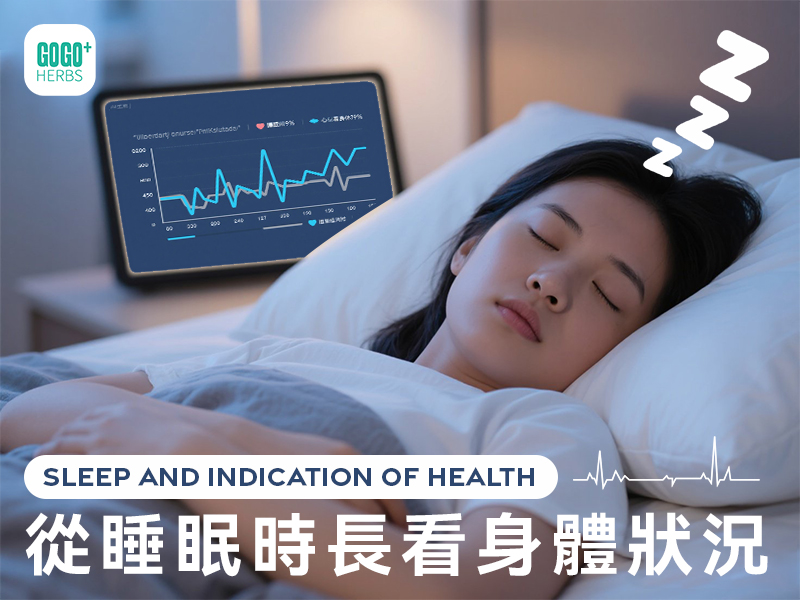
Let's start with the key points:More sleep isn't necessarily better. Chronic sleep deprivation can harm health, but research shows...Excessive sleep may also indicate a health problem.Sleeping more than 9 hours a day for an extended period may be a sign of cardiovascular problems, sleep apnea, or emotional health issues, rather than simply "getting enough sleep." The following is a summary of European and local research, along with reminders from Dr. Fong Yat-yu, a psychiatrist at the Hong Kong Sleep Society, and explains when to seek medical attention.
Table of contents
- What might excessive sleep indicate?
- Why is sleeping a lot not necessarily a good thing?
- Limitations of observational studies
- Sleeping too little also carries risks.
- Sleeping too long may be a "symptom" rather than a "cause".
- Ideal sleep duration and sleep schedule recommendations
- When should you see a doctor?
- Frequently Asked Questions (FAQ)
- Source of information
What might excessive sleep indicate?
- Large-scale European studies have shown that people who consistently sleep excessively have a significantly increased risk of cardiovascular disease and death.Some analyses suggest the risk could be as high as 40%.。
- Mainland research, which integrates the latest data from Europe and the United States, has also reached similar conclusions.
- Important premise:These studies are mostly observational in nature, showing "statistical correlation" rather than a causal relationship of "sleeping more causes illness".
Why is sleeping a lot not necessarily a good thing?
Dr. Fong Yat-yu, a representative of the Hong Kong Sleep Society and a specialist psychiatrist, pointed out that if one consistently needs longer sleep than usual to feel satisfied, it may indicate a health problem, and he recommends seeking medical attention promptly. He explained that while traditional beliefs hold that "sleeping more and eating more" is a good thing, modern medical research shows that excessive sleep may actually reflect a health condition rather than simply being a positive trait.
Limitations of observational studies
Dr. Fang emphasized that human health is influenced by a variety of factors, including genetics, living environment, habits, and mental state. Even tracking large samples for several years can only yield statistical correlations, making it difficult to establish direct causal relationships. He added that ideally, to accurately study the relationship between sleep and health, it would be necessary to track an individual's entire life cycle from infancy to old age, but this is difficult to achieve in practice; therefore, most existing studies are observational in nature.
Sleeping too little also carries risks.
- Studies have found that sleeping less than 6 hours increases the risk of diabetes—long-term sleep deprivation may raise fasting blood sugar and affect blood sugar stability.
- Insufficient sleep can also disrupt the endocrine system and increase the risk of obesity.
The above findings from group studies do not mean that anyone who sleeps less will necessarily get sick; regular sleep patterns and overall lifestyle habits are equally important.
Sleeping too long may be a "symptom" rather than a "cause".
Dr. Fang stated that excessive sleep is more likely a health problem.signRather than cause, for example:
- Heart disease patients often need more sleep due to fatigue;
- Patients with sleep apnea have prolonged sleep time due to poor sleep quality;
- People with depression often experience excessive sleepiness.
- Patients with serious illnesses (such as cancer) need more rest due to physical weakness.
Therefore, if excessive sleep is consistently required, a more reasonable approach is...Find the underlying reasonsIt's not about simply extending sleep time.
Ideal sleep duration and sleep schedule recommendations
- Hours:The latest medical guidelines recommend that the ideal sleep duration for adults is approximately 71 hours of sleep per night (with individual variations).
- Daily routine:It can be combined with the body's natural rhythm of life, such as going to bed at around 10:10 or 11:00 pm, allowing the body's organs time to rest and recover.
- Afternoon nap:Dr. Fang acknowledges the benefits of moderate naps and recommends limiting them to 15 minutes of 1 minute of napping followed by 1 minute of rest, followed by 30 minutes of rest, to avoid entering deep sleep, which can lead to mental confusion upon waking and affect the quality of nighttime sleep.
When should you see a doctor? (Medical advice)
- 若Feeling insufficient despite consistently sleeping more than 9 hours a dayIf you experience a persistent need for longer sleep than usual, it is recommended to seek medical attention to identify any underlying health issues and to take preventative and treatment measures as early as possible.
- If these symptoms are accompanied by fatigue, low mood, severe snoring, or significant weight changes, you should seek medical attention as soon as possible.

Frequently Asked Questions (FAQ)
How many hours of sleep per day is considered excessive?
General guidelines consider "long-term sleep deprivation exceeding 9 hours per day and still feeling insufficient" as a warning sign worth noting; however, sleep needs vary from person to person, and the key is whether one feels refreshed and has normal daytime function after waking up.
Does sleeping too much directly lead to cardiovascular disease?
Existing research mostly shows "correlation" rather than "causation." Excessive sleep is more likely a symptom of other health problems (such as heart disease or sleep apnea), and the underlying cause should be investigated.
Do I really need to sleep 71 hours to 8 hours every day?
71 hours of sleep followed by 1 hour of sleep (8 hours) is a general recommended range for adults, but individual differences exist. Rather than focusing on the numbers, the quality of sleep and daytime mental state are more important.
How long should a nap be?
It is recommended to use 15– for 30 minutes to avoid entering deep sleep for too long, which may cause mental confusion and affect sleep at night.
Will sleeping too little cause weight gain or diabetes?
Studies show that insufficient sleep is associated with changes in blood sugar and endocrine levels, but this is not a definitive result. Maintaining a regular sleep schedule, a balanced diet, and exercise are more important than any single factor.
Source of information
- Dr. Fong Yat-yu, a representative of the Hong Kong Sleep Society and a specialist psychiatrist, gave a public speech (Sleep Hours and Health Commentary).
- Large-scale European sleep and cardiovascular study (observational); Mainland China's comprehensive study combining European and American data.
Related Products:
-
Sale!

Webber Naturals – Triple Strength Omega-3 (900mg EPA / DHA) 200 capsules Value Pack
Original price was: $398.00.$298.00Current price is: $298.00. Add to basket -
Sale!

Kirkland Signature – Omega-3 Ultra Concentrated Deep Sea Fish Oil Capsules 1300mg 330 Capsules
Original price was: $350.00.$298.00Current price is: $298.00. Add to basket -
Sale!

Vebogen – Omega 3 & Coenzyme Q10 & Phytosterols 200 Capsules
Original price was: $290.00.$245.00Current price is: $245.00. Add to basket -
Sale!

Webber Naturals – Omega-3 Mini Fish Oil Capsules 300mg 220 Softgels
Original price was: $198.00.$168.00Current price is: $168.00. Add to basket
Related Post:
![男士夜尿、滴滴仔:良性前列腺增生的症狀、檢查與保健品選購]()
Nocturia and dribbling in men: Symptoms, examinations, and supplemental evidence of benign prostatic hyperplasia (BPH).
![通宵一晚,血壓會升多少?]()
Staying up late and blood pressure: How much will blood pressure rise after staying up all night on Halloween? Interpreting cardiovascular risk data.
![均衡備餐與體重管理]()
Weight Management Shopping Guide: 8 Selected Probiotics, Apple Cider Vinegar, and Herbal Formulas
![我們的選品標準與定價說明]()
Health supplement selection? Our product selection criteria and pricing guidelines