



































































 Direct Import Reliable Sources of Goods Price Guarantee Healthy GoGoGo!
 Joint Health
 Joint Health
 Bone Health
  Bone Health
  Immune System
 Immune System
 Cardiovascular health
 Cardiovascular health
 Bowel Health
 Bowel Health
 eye health
 eye health
 Antioxidant
 Antioxidant
 Stress Relief
 Brain Health
 Brain Health
 Liver Health
 Liver Health
 Respiratory Health
 Respiratory Health
 Weight Management
  Weight Management
  Men's Health
 Men's Health
 Women's Health
 Women's Health
 Children's Health
 Children's Health
 Lok Ling Health
 Lok Ling Health
 Pet Health
 Pet Health
 Personal Care
 Personal Care
 health food
  health food
  Clearance Offer
 Clearance Offer
 defend his life
 defend his life
 Import Mask
 Import MaskJoint Health
Joint Health
As we age, we lose cartilage in our joints, which, when combined with long-term wear and tear, can lead to stiffness, pain, swelling and other painful conditions. Gogo Herbs has selected a range of supplements for joint pain sufferers to restore cartilage and joint tissue, helping you to get rid of joint pain!
-
Sale!
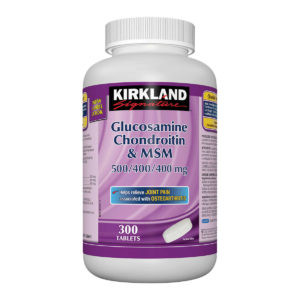
[Two or more bottles of $248] Kirkland Signature – Glucosamine & Chondroitin & MSM 500/400/400 mg 300 tablets
Original price was: $330.00.$258.00Current price is: $258.00. Add to basket -
Sale!
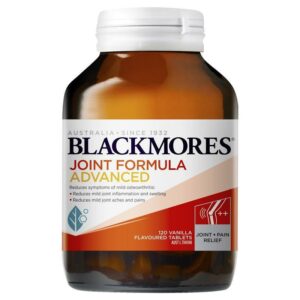
BLACKMORES – Joint Care Formula 120 capsules
Original price was: $258.00.$208.00Current price is: $208.00. Add to basket -
-
Sale!
![【門市低至$238】維柏健 - 健骨至尊 葡萄糖胺軟骨素膠囊 (500/400毫克) + D3 [特強配方] 300粒](https://gogoherbs.com/wp-content/uploads/2019/10/Glucosamine-3-1-300x300.png) Out of stock
Out of stock
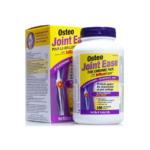
[Price as low as $238 in stores] Vepogen – Bone Strengthening Supreme Glucosamine Chondroitin Capsules (500/400 mg) + D3 [Extra Strong Formula] 300 capsules
Original price was: $298.00.$260.00Current price is: $260.00. Add to basket
Bone Health Bone Health
Bones are essential for movement, support and protection of the body, and are particularly important during childhood development. After the age of 30, calcium loss occurs over the years, resulting in bone deterioration. This can lead to bone fractures in the event of a collision or fall. For this reason, Gogo Herbs has developed a range of supplements to help prevent osteoporosis and bone deterioration by assisting in the development and strengthening of bones!
-
Sale!
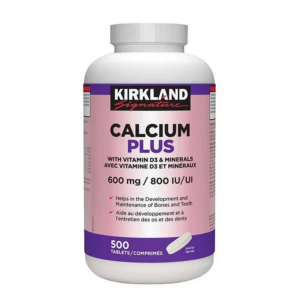
Kirkland Signature – Calcium & Vitamin D3 & Minerals 600mg 800IU 500 Tablets
Original price was: $198.00.$168.00Current price is: $168.00. Add to basket -
Sale!
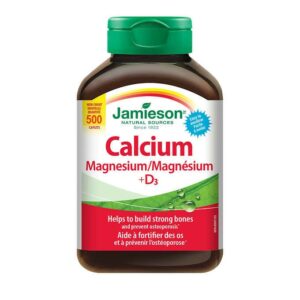
Jamieson – Calcium Magnesium & Vitamin D3 Value Plus 500 Capsules
Original price was: $180.00.$145.00Current price is: $145.00. Add to basket -
Sale!
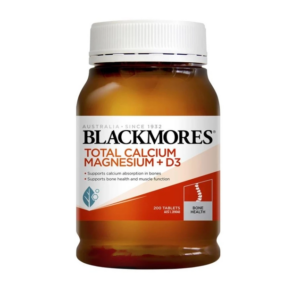
BLACKMORES – Activated Calcium Tablets + Magnesium + Vitamin D3 200 Tablets
Original price was: $150.00.$118.00Current price is: $118.00. Add to basket -
Sale!
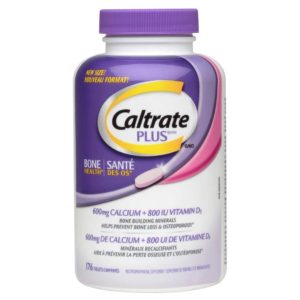 Out of stock
caltrate – Calcium 600mg + Vitamin D3 800IU & Minerals (Value Pack) 176 capsules
Original price was: $198.00.$180.00Current price is: $180.00. Add to basket
Immune SystemImmune system health
The immune system is the gateway to disease prevention, and when the immune system is weakened, viruses and bacteria can easily invade the body and cause illness, Gogo Herbs has selected a range of immune-boosting supplements for people with weak immune systems, to help you prevent and fight against diseases!
-
Sale!

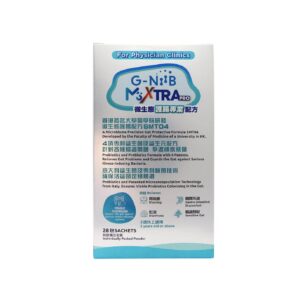
[Price as low as $330 in stores] G-NiiB – Immunity+ 28 packets
Original price was: $498.00.$365.00Current price is: $365.00. Add to basket -
Sale!
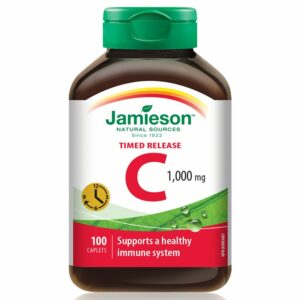
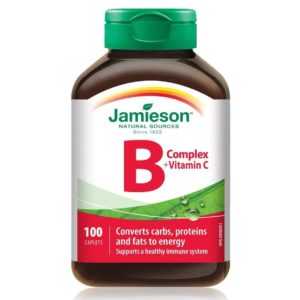
Jamieson – Long Lasting Vitamin C 1000mg 100 Tablets
Original price was: $138.00.$108.00Current price is: $108.00. Add to basket -
Sale!

Unichi – Teddi Lab® Elderberry Immunity Boosting Gummy Bears Mixed Berry Flavour 60 capsules
Original price was: $150.00.$105.00Current price is: $105.00. Add to basket -

Cardiovascular healthCardiovascular health
The cardiovascular system is a vital part of the body, not only involving the heart, but also affecting the brain and the peripheral blood circulation system. Studies have shown that the healthier the cardiovascular system is, the lower the risk of various diseases. Therefore, Gogo Herbs is pleased to introduce a series of cardiovascular health supplements for you to take care of your cardiovascular health!
-
Sale!
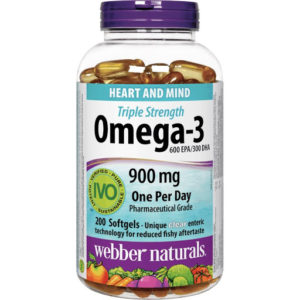
Webber Naturals – Triple Strength Omega-3 (900mg EPA / DHA) 200 capsules Value Pack
Original price was: $398.00.$280.00Current price is: $280.00. Add to basket -
Sale!
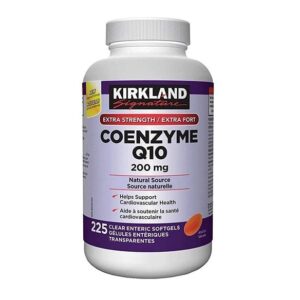
Kirkland Signature – Coenzyme Q10 200 mg 225 capsules
Original price was: $438.00.$358.00Current price is: $358.00. Add to basket -
Sale!
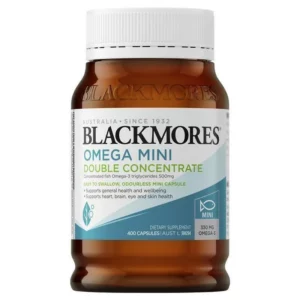
BLACKMORES – Fish Oil Free Mini Capsules 500mg 400 capsules
Original price was: $208.00.$178.00Current price is: $178.00. Add to basket -
Sale!
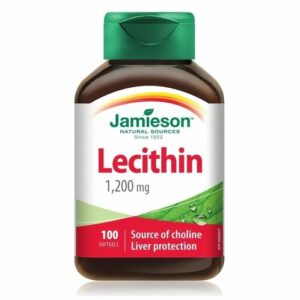
Jamieson – Lecithin Extract 1200mg 100 capsules
Original price was: $128.00.$75.00Current price is: $75.00. Add to basket
Bowel HealthBowel Health
Unbalanced diet, antibiotic medication, alcohol consumption and stressful lifestyle can affect the digestive system and intestinal health, resulting in gas, bloating, diarrhoea, occasional constipation and other discomforts. Therefore, Gogo Herbs has collected a series of intestinal health supplements to keep your stomach and intestines away from discomfort and help you to have a smooth bowel movement at regular intervals!
-
Sale!
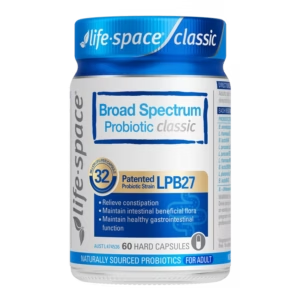
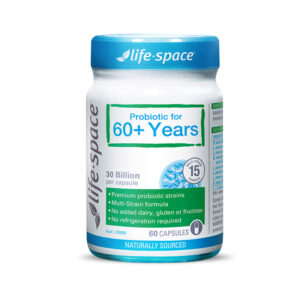
Life Space – Upgraded Adult Probiotics 32 billion 60 capsules
Original price was: $198.00.$145.00Current price is: $145.00. Add to basket -
Sale!
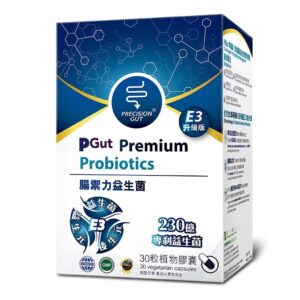
[Two boxes or more $268] PGut – Intestinal Protection Probiotic E3 Upgraded Version 23 Billion 30 Capsules Plant-Based Capsules
Original price was: $350.00.$278.00Current price is: $278.00. Add to basket -
Sale!

Livinglean – Organic Dietary Mineral Powder 8g x 20 sachets
Original price was: $368.00.$298.00Current price is: $298.00. Add to basket
 eye health
eye health
The blue light emitted from the screen not only damages the health of the retina, but also causes eye fatigue, dry eyes, redness and even macular degeneration. Therefore, Gogo Herbs has collected a series of eye care products to help you recharge your eyes!
-
Sale!

Webber Naturals – Lutein 25mg + Zeaxanthin 5mg 175 Softgels
Original price was: $230.00.$158.00Current price is: $158.00. Add to basket -
Sale!
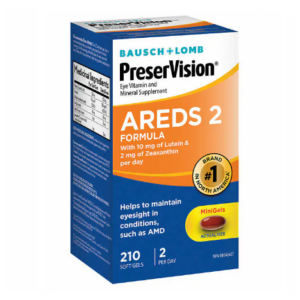
Bausch + Lomb – PreserVision® Eye Care Vitamins & Minerals Plus 210 capsules
Original price was: $498.00.$350.00Current price is: $350.00. Add to basket -
Sale!
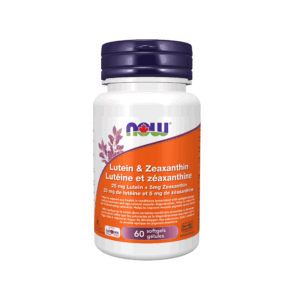
[Clearance Sale Price] NOW Foods – Lutein & Zeaxanthin 60 Softgels
Original price was: $198.00.$118.00Current price is: $118.00. Add to basket -
Sale!
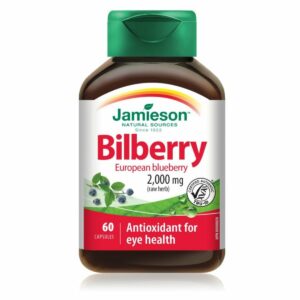 Out of stock
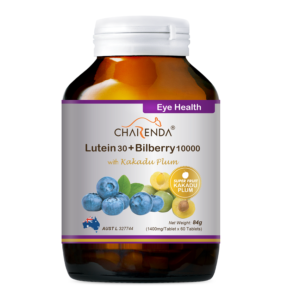
Jamieson – Bilberry (European Blueberry) Concentrate 2000mg 60 Vegetarian Capsules
Original price was: $138.00.$98.00Current price is: $98.00. Add to basket
AntioxidantAntioxidant
As we grow older, our body will gradually age. Apart from the weakening of our organs, our appearance will also be affected, such as the appearance of wrinkles on the skin and dryness of hair, etc. Therefore, Gogo Herbs has selected different antioxidant supplements to help you fight against free radicals damage to cells. Therefore, Gogo Herbs has selected a variety of antioxidant supplements to help you fight against free radical damage to cells, slow down the aging process, reduce wrinkles, muscle relaxation, forgetfulness and other problems, and maintain the normal functioning of the body.
-
Sale!
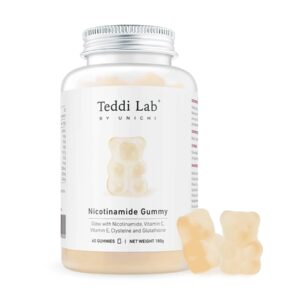
Unichi – Teddi Lab® Smokamine Whitening Gummy Bears Jasmine & Grapefruit Flavour 60 capsules
Original price was: $170.00.$125.00Current price is: $125.00. Add to basket -
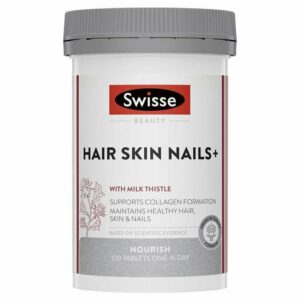
-
Sale!
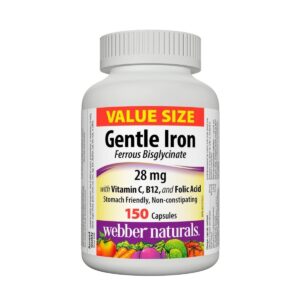
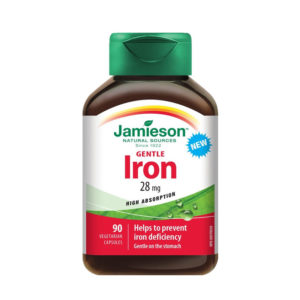
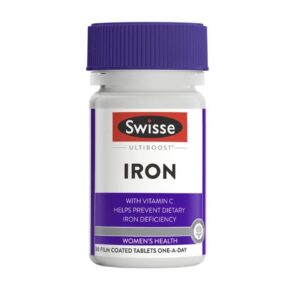
Vebegen – Mild Iron + Folic Acid + Vitamin C & B12 28mg 150 tablets
Original price was: $150.00.$115.00Current price is: $115.00. Add to basket -
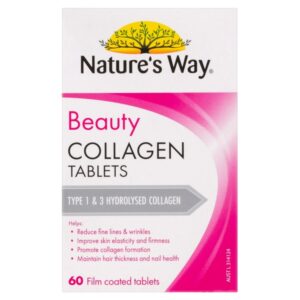
Stress ReliefStress Relief
Living in a busy city, the pressure of going to work and school piles up every day, making you physically and mentally exhausted, and negative emotions come along with it. Therefore, Gogo Herbs offers you a series of stress-relieving supplements to help you improve your concentration, relieve stress and fatigue, and regulate negative emotions caused by tension, worry and stress, and maintain the health of your nervous system.
-
Sale!
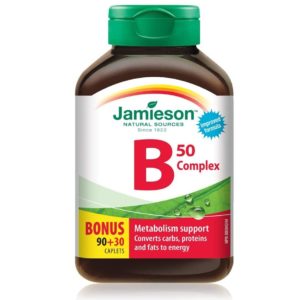
[Two or more bottles of $88] Jamieson – Natural Vitamin B Complex 50 120 capsules
Original price was: $168.00.$98.00Current price is: $98.00. Add to basket -
Sale!
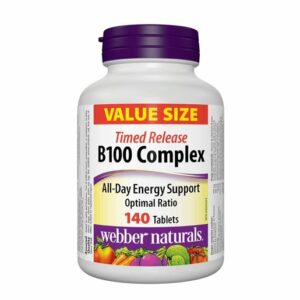
Webber Naturals – Natural Vitamin B100 Long Lasting Formula 140 tablets
Original price was: $198.00.$148.00Current price is: $148.00. Add to basket -
Sale!
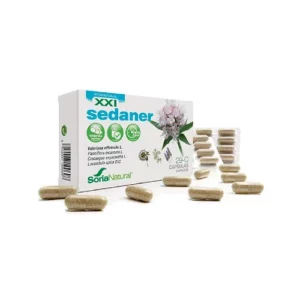
[Clearance Price for Short-Term Stock] Senlia – Valerian Passionflower Extract 30 Capsules
Original price was: $255.00.$98.00Current price is: $98.00. Add to basket -
Sale!
 Out of stock
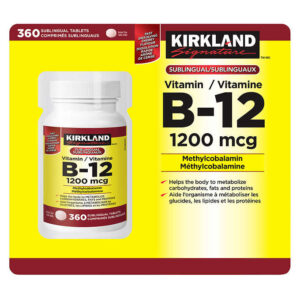
Kirkland Signature – Vitamin B12 1200 mcg 360 capsules
Original price was: $250.00.$168.00Current price is: $168.00. Add to basket
Brain HealthBrain Health
The brain is a vital organ of the human body that governs our thinking, memory, decision-making and mobility, and it is especially critical during the developmental stage of childhood. According to a study, after the age of 40, the volume of the brain shrinks by 5% per decade and gradually deteriorates, affecting memory. Therefore, Gogo Herbs provides a series of supplements for children with brain development and brain degeneration to promote brain development and slow down brain degeneration, so as to help you keep your brain active!
-
-

-
Sale!
 Out of stock
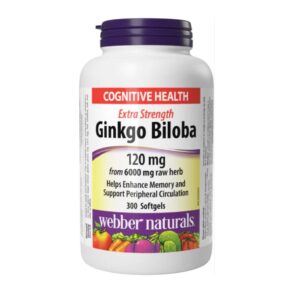
Webber Naturals – Ginkgo Biloba Extract 120mg 300 capsules
Original price was: $268.00.$180.00Current price is: $180.00. Add to basket
 Liver Health
Liver Health
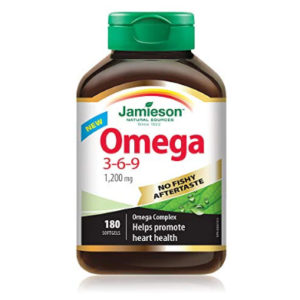
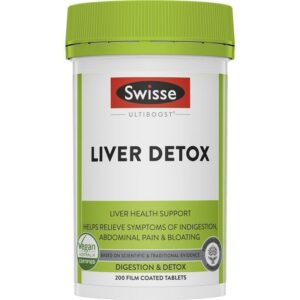
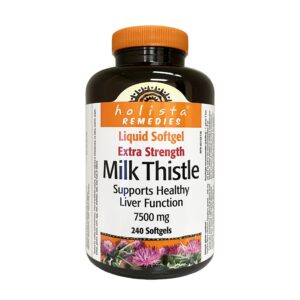
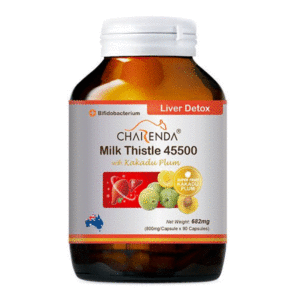
The liver is the body's detoxification organ. When the red light is on in liver health, the consequences can be very serious, ranging from unusual fatigue and loss of appetite to serious symptoms such as abdominal swelling and jaundice. Therefore, Gogo Herbs has selected a variety of liver supplements to help you repair your liver and remove toxins.
-
-
-
-
Sale!

[Clearance Sale - Short Supply] Organic – Liver Support Capsules 60 Capsules (Vegetarian)
Original price was: $180.00.$118.00Current price is: $118.00. Add to basket
Respiratory HealthRespiratory Health
Respiratory discomfort, caused by factors such as respiratory infections, allergic rhinitis or lung disease, can have a long-term impact on daily performance. Therefore, Gogo Herbs offers a range of supplements to relieve inflammation and allergic rhinitis and improve lung health for people with respiratory problems.
-

-
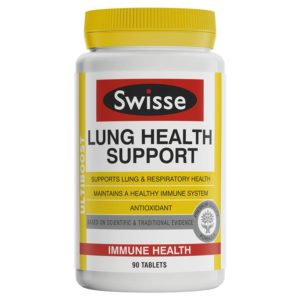
-
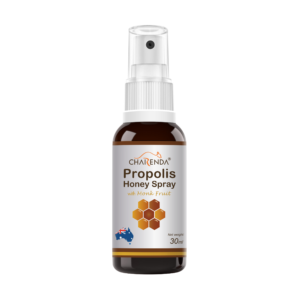
-
Sale!
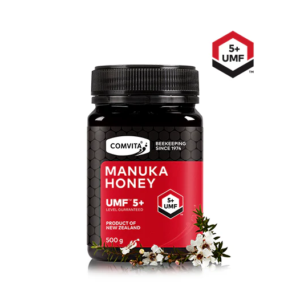
Comvita – UMF™ 5+ Manuka Honey 500g
Original price was: $280.00.$175.00Current price is: $175.00. Add to basket
Weight Management Weight Management
Weight not only changes the appearance, but also directly affects the health. Weight management is the pursuit of modern people, but the effectiveness of various weight loss methods varies from person to person due to different body types, Gogo Herbs' philosophy is to control weight in a healthy way without damaging the body, therefore, we have selected a series of supplements to help you manage weight, help you to improve metabolic rate and muscle mass, lose weight easily and healthily!
-
Sale!

ProVen – Probiotic Slimming & Detox Formula 50 Billion 30 Capsules
Original price was: $250.00.$158.00Current price is: $158.00. Add to basket -
Sale!

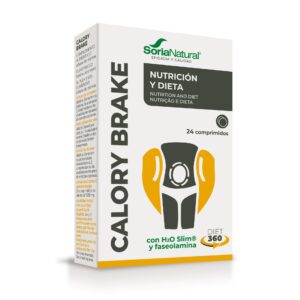
SoriaNatural – Power Control 60 Tablets
Original price was: $480.00.$378.00Current price is: $378.00. Add to basket -
Sale!
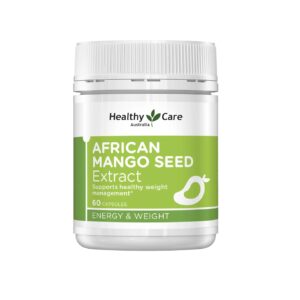
Healthy Care – African Mango Seed 60 capsules
Original price was: $108.00.$75.00Current price is: $75.00. Add to basket -
Sale!
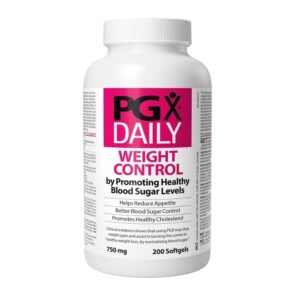
Vebegen – PGX® DAILY Patented Healthy Weight Loss Soft Capsules 750mg 200 Capsules
Original price was: $368.00.$280.00Current price is: $280.00. Add to basket
Men's HealthMen's Health
Men are under particularly heavy pressure from work and life, leading to stress and sleep deprivation, which in turn affects sexual function, prostate and liver health. To address these issues, Gogo Herbs has developed a range of supplements to help men regain their vitality and energy to meet every challenge with confidence!
-
Sale!
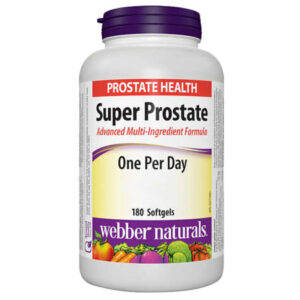
Webber Naturals – Men's Ultra Prostate Formula (1 capsule daily) 180 capsules
Original price was: $298.00.$250.00Current price is: $250.00. Add to basket -
Sale!
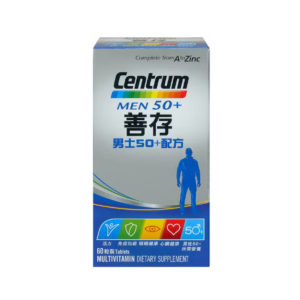
Centrum – Men's 50+ Formula 60 capsules
Original price was: $250.00.$208.00Current price is: $208.00. Add to basket -

-
Sale!
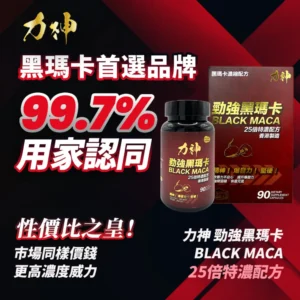
Lishen – Powerful Peruvian Black Maca (Concentrated 25:1 Formula) 90 Capsules
Original price was: $238.00.$188.00Current price is: $188.00. Add to basket
Women's HealthWomen's Health
Iron deficiency, anaemia, urinary tract infections, maternal and foetal health are all issues that are unique to women and are of concern to them. In response to the needs of women, Gogo Herbs has developed a range of health supplements for women and their babies to help them live a beautiful and healthy life every day!
-
Sale!

Unichi – Teddi Lab® Women's Multivitamin Gummy Bears Lime Flavour 60 Capsules
Original price was: $150.00.$105.00Current price is: $105.00. Add to basket -
Sale!
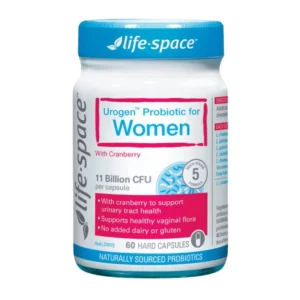
Life Space – Cranberry Probiotic for Women 60 capsules
Original price was: $198.00.$160.00Current price is: $160.00. Add to basket -
 Children's Health
Children's Health
The developmental period is crucial to a child's long-term health. Gogo Herbs has a wide range of products to help children's bones, eyes, and brains grow and develop healthily!
-
-
Sale!
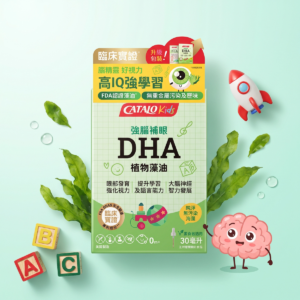
Catalo – Infant and Toddler Brain-Boosting and Eye-Nourishing DHA Plant Algae Oil 30ml
Original price was: $220.00.$138.00Current price is: $138.00. Add to basket -
Sale!
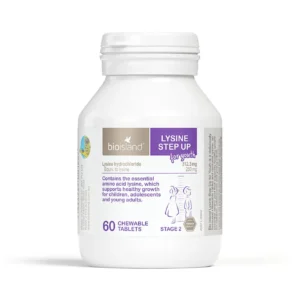
Bio Island – Lysine Growth Promoter Chewable Tablets (Stage 2) 60 Tablets
Original price was: $198.00.$138.00Current price is: $138.00. Add to basket -

Lok Ling HealthLok Ling Health
Cognitive impairment, high blood pressure, osteoporosis, joint pain, etc. are common chronic diseases among the elderly. Gogo Herbs has developed a series of health supplements to alleviate and prevent the health problems of the elderly, helping them to live a healthy life!
-
Sale!

Swisse – Men's 50+ Multivitamin 90 Tablets
Original price was: $268.00.$180.00Current price is: $180.00. Add to basket -
Sale!

Centrum – Silver Suncorp 50+ Formula 100 capsules
Original price was: $270.00.$225.00Current price is: $225.00. Add to basket -
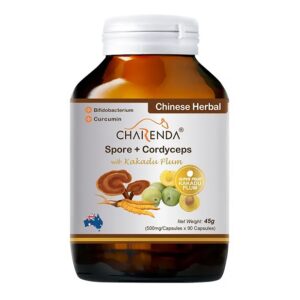
-
Sale!
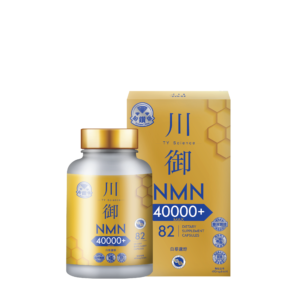
Chuanyu – NMN 40000+ Platinum Edition 82 Capsules
Original price was: $899.00.$768.00Current price is: $768.00. Add to basket
Pet HealthPet Health
It is every owner's wish that their furry children can grow up healthy and happy. Gogo Herbs has sourced the best and safest pet healthcare products from all over the world to provide the best care for your beloved furry children!
-
Sale!
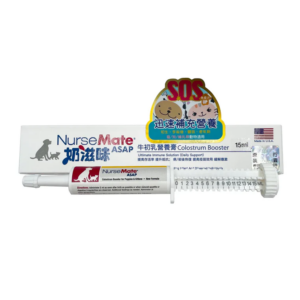
NurseMate – Milk Taste Colostrum Nutritional Cream 30ml
Original price was: $299.00.$279.00Current price is: $279.00. Add to basket -
Sale!
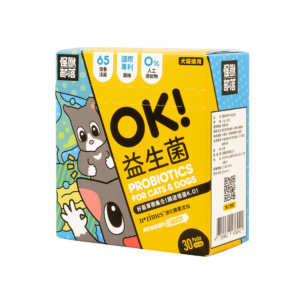
Monster Tribe – OK! Probiotics for Dogs and Cats 1.5g 30 packs
Original price was: $190.00.$160.00Current price is: $160.00. Add to basket -
Sale!

[Clearance Sale Price] Gimborn – Extra Strength Hairball Balm for Cats | Malt Flavor 50g
Original price was: $98.00.$29.00Current price is: $29.00. Add to basket -
Sale!

Woof Planet – Urethral Healthy Nutritional Capsules 90 Capsules
Original price was: $189.00.$159.00Current price is: $159.00. Add to basket
Personal CarePersonal Care
Confidence comes from a neat and tidy appearance, so daily care is especially important. Gogo Herbs takes care of the little things in life, introducing a range of personal care products that care for the health of your hair, teeth, and skin all over your body!

 health food
 health food
Gogo Herbs is your source for delicious and healthy food from all over the world, so you can eat happily and with confidence!
-
Sale!

GINAX – Ginseng Tea Bag / Ginseng White Tea Rose Tea Bag | 1bag
Original price was: $13.00.$10.00Current price is: $10.00. 選擇規格 This product has multiple variants. The options may be chosen on the product page -
Sale!
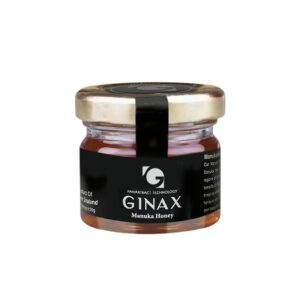
GINAX – Manuka Honey UMF™ 5+ 30g
Original price was: $30.00.$25.00Current price is: $25.00. Add to basket -
Sale!

Comvita – UMF™ 15+ Manuka Honey 250g
Original price was: $700.00.$438.00Current price is: $438.00. Add to basket -
Clearance OfferClearance Offer
Many products are on sale at rock-bottom prices, so you'll miss them in the blink of an eye.
-
Sale!
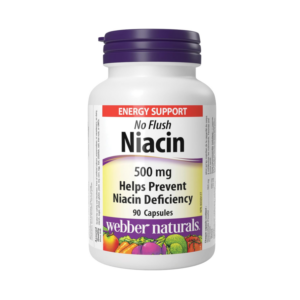
[Clearance Sale Price] Vebegen – Vitamin B3 500mg 90 Capsules
Original price was: $165.00.$108.00Current price is: $108.00. Add to basket -
Sale!
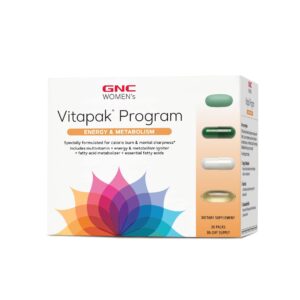
[Clearance Sale Price] GNC – Women's Daily Nutritional Pack (30 packets) for Energy and Metabolism
Original price was: $438.00.$238.00Current price is: $238.00. Add to basket -
Sale!
[Clearance Price for Short-Term Stock] Senlia – Valerian Passionflower Extract 30 Capsules
Original price was: $255.00.$98.00Current price is: $98.00. Add to basket -
Sale!
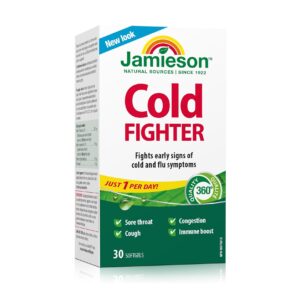
[Clearance Sale for Short-Term Stock] Jamieson – Cold & Flu Fighter (Echinacea + Ginger + Vitamin C + Zinc) 30 tablets
Original price was: $108.00.$68.00Current price is: $68.00. Add to basket
defend his lifedefend his life
Vitamins are essential nutrients that the body cannot produce on its own, and a proper intake of these nutrients can help promote good health, Gogo Herbs has collected 13 vitamins that are essential to the human body, and there is sure to be one that suits your needs!
-
-
-

-
Sale!
 Out of stock
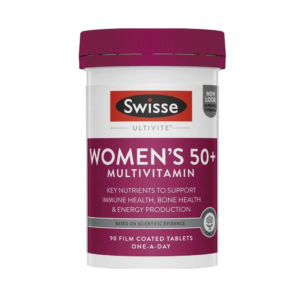
Swisse – Women's 50+ Multivitamin 90 tablets
Original price was: $268.00.$180.00Current price is: $180.00. Add to basket
Import MaskImport Mask
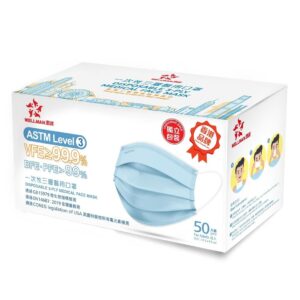
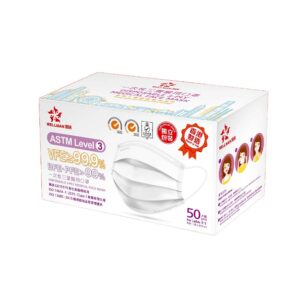
Gogo Herbs has sourced a range of high quality masks from all over the world to keep your health in check!













![【門市低至$238】維柏健 - 健骨至尊 葡萄糖胺軟骨素膠囊 (500/400毫克) + D3 [特強配方] 300粒](https://gogoherbs.com/wp-content/uploads/2019/10/Glucosamine-3-1-150x150.png)