























































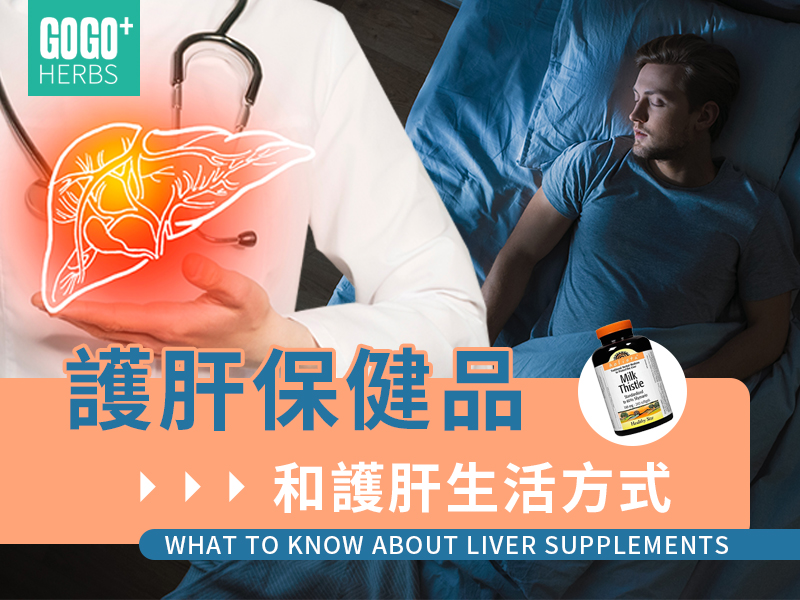
The liver is a vital metabolic center in the body, responsible for processing nutrients, breaking down harmful substances, and producing bile. Due to changes in diet and lifestyle in Hong Kong, fatty liver disease is now quite common. The most practical way to protect your liver is...Diet, exercise, sleep, and quitting smoking and limiting alcohol consumptionFocusing on lifestyle changes is key, while health supplements play a supporting role. Gogo Herbs provides information on liver and gallbladder function, factors affecting liver health, liver-protective lifestyles, and how to choose liver-protective nutrients and supplements.
- What are the functions of the liver and gallbladder?
- Why protect your liver? Understanding fatty liver.
- Factors affecting liver health
- 5 Liver-Protecting Lifestyle Tips
- How to distinguish between liver-protecting nutrients and health supplements
- When should you consult a doctor?
- Gogo Herbs Liver Protection Product Recommendation
- Frequently Asked Questions (FAQ)
- Source of information
1. What are the functions of the liver and gallbladder?
The liver, located in the upper right abdomen below the ribs, is the largest internal organ in the human body. US NIDDKThe main functions of the liver include:
- Metabolic nutrition:It processes carbohydrates, fats, and proteins, and stores excess glucose as glycogen, releasing it when needed.
- Treatment and decomposition of hazardous substances:It breaks down and transforms alcohol, drugs, and some chemical substances, making them easier for the body to eliminate;
- Filtering blood:Removes some waste and harmful substances from the blood;
- Production of bile:Bile helps digest and absorb fats.
gallbladderLocated next to the liver, it is mainly responsible forStorage and ConcentrationBile is produced by the liver. When we eat (especially fatty foods), the gallbladder contracts and releases bile into the small intestine, helping to...emulsified fatIt is beneficial for digestion and absorption.
2. Why protect your liver? Understanding fatty liver.
Fatty liver (now often called)Fatty liver disease associated with metabolic dysfunctionMASLD (or NAFLD) refers to an excess of fat in the liver. UK NHSIt is very common and usually associated withOverweightIt is related to lifestyle habits. In the early stages, there are often no symptoms, and it is mostly discovered incidentally during other examinations.
Fatty liver disease is also common in Hong Kong.The Faculty of Medicine, The Chinese University of Hong KongA nationwide liver health survey was conducted. Among 922 citizens, those with fatty liver due to alcoholism were excluded.The prevalence of non-alcoholic fatty liver disease remains as high as 27.31% (TP4T).Based on this, it is estimated that approximately one million Hong Kong residents are affected. The study also found that fatty liver and...Metabolic syndromeIt is closely related to diabetes, hypertension, central obesity, and dyslipidemia.
It's important to note that fatty liver disease is not something to be ignored just because it's painless and asymptomatic. The NHS points out that fatty liver disease has four stages, and most people only stay at the first stage (simple fat accumulation), but a small number will progress to the next stage.Inflammation, fibrosis, and even cirrhosisBy adjusting lifestyle habits, one can reduce liver fat, help the liver repair itself, or prevent it from deteriorating.
3. Factors affecting liver health
(1) Alcohol
The liver has a limited capacity to metabolize alcohol, and long-term excessive drinking can damage the liver. NHSAlcoholic liver disease (ARLD) will experienceFatty liver, alcoholic hepatitis, cirrhosisThere are three stages; if alcohol consumption is stopped early, the liver can often recover. According to the NHS, if you wish to drink alcohol, it is recommended that you...No more than 14 alcohol units per weekAnd these symptoms should be spread over 3 days or more. The World Health Organization (WHO) further points out that...No amount of drinking is risk-free.Most alcohol-related harms stem from excessive or prolonged alcohol consumption.
(2) Weight, metabolism and diet
Obesity (especially abdominal fat), type 2 diabetes, high blood pressure, and high cholesterol all increase the risk of fatty liver disease. Regarding diet,Excessive calories, refined sugar and saturated fat, and lack of exerciseThese are all lifestyle factors related to fatty liver.
(3) Smoking
The NHS explicitly lists "fatty liver disease" in its recommendations.Do not smoke.Smoking is also a risk factor for many chronic diseases. Quitting smoking has positive benefits for overall health, including liver and cardiovascular health.
(4) Drugs and chemical substances
Most drugs need to be metabolized by the liver, thereforeLong-term or excessive use of medication, unauthorized mixing of medications and health products, and exposure to chemicals harmful to the liver.All of these can increase the burden on the liver. Medication should be taken as prescribed by a doctor; do not increase the dosage on your own.
(5) Food contamination such as aflatoxin
依 WHO,aflatoxinProduced by certain molds, commonly found inImproperly stored or moldy grains and nuts(For example, millet, sorghum, wheat, rice, as well as peanuts, pistachios, almonds, walnuts, etc.), while aflatoxin andliver cancerThe WHO's recommendation is to purchase fresh grains and nuts, store them properly (keep them dry and avoid high temperatures), and discard any...Mold, discolored or shriveledGrains and nuts.
4.5 Liver-Protecting Lifestyle Habits
(1) Regular movement
Exercise helps control weight and metabolism, and positively contributes to reducing liver fat. NHS Fatty Liver RecommendationsThe goal isAt least 150 minutes of exercise per weekThese exercises can be spread out over several days a week. Aerobic exercises such as cycling, swimming, brisk walking, and yoga are all good choices; gradual progress and consistency are more practical than doing a lot at once.
(2) Regular work and rest schedule and sufficient sleep
It's commonly said that "the liver detoxifies between 11 PM and 3 AM," but this claim...There is no basis in modern medicineThe liver's function of metabolism and processing harmful substances is...Continuous around the clockYes, it's not just at specific times. However, this doesn't mean that daily routines are unimportant:Regular and sufficient sleepIt benefits overall metabolism, endocrine function, and body repair, and in the long run, it also helps maintain liver health. Instead of focusing on specific times, it's better to cultivate a habit...Go to bed at a regular time, get enough sleep, and reduce screen time and alcohol consumption before bed.Habits.
(3) Dietary adjustments
依 NHS 8 Key Points for Healthy EatingFor a liver-protecting diet, consider the following:
- 以High-fiber whole grainsBrown rice, whole wheat bread, and oats can be used as staple foods to replace some refined starches.
- Daily foodAt least 5 servings of fruits and vegetables;
- Reduce saturated fat and free sugar(Reduce fried foods, sweets, and sugary drinks);
- weeklyAt least 2 servings of fishAt least one of these is oily fish;
- Salt dailyNo more than 6 grams(about one teaspoon);
- Drink plenty of water and avoid sugary drinks; if you have a habit of drinking alcohol, you should reduce the amount according to the above suggestions.
(4) Quitting smoking and limiting alcohol
Quitting smoking and reducing alcohol consumption are among the most direct ways to protect your liver. Long-term heavy drinking...It is not advisable to suddenly stop drinking alcohol on your own.You should consult a doctor or alcohol support service first to avoid dangerous withdrawal symptoms.
(5) Use medications with caution and have regular check-ups
Take medication as prescribed by your doctor; do not increase the dosage or mix medications without authorization. Those already diagnosed with fatty liver should have regular follow-up appointments and checkups (NHS recommends at least annual follow-up appointments and checkups every 2–3 years). If you have diabetes, obesity, high blood pressure, or other metabolic conditions, managing these issues is equally important for liver health.
5. How to distinguish between liver-protecting nutrients and health supplements?
Liver-protecting health supplements are considered daily nutritional aids.It cannot replace a balanced diet, lifestyle habits, and medical treatment.The following is a brief introduction to some common ingredients for your reference when purchasing:
Milk thistle (silymarin)
Milk thistle is a common liver-protecting plant ingredient, and its main active ingredient is...silymarinIt has historically been used for liver-related health care. NCCIH (United States)Milk thistle is generally well tolerated orally, with the most common side effects being bloating, nausea, and gastrointestinal discomfort; however, research results regarding its effects on liver disease are concerning.Not yet in agreementIt continues to accumulate and can be considered part of daily maintenance, but not a treatment. Furthermore, regarding...Ragweed, chrysanthemum, marigold, daisyPeople with plant allergies may experience allergic reactions; those currently taking medication, pregnant women, and breastfeeding mothers should consult a doctor or pharmacist before taking this product.
Choline
依 US NIH Office of Dietary Supplements (ODS)Choline is a nutrient required to maintain normal bodily functions.It helps with normal liver function and fat metabolism.A deficiency may be related to fat accumulation in the liver. The human liver can produce a small amount of choline, but the main source is still dietary intake; food sources include eggs, meat, poultry, fish, dairy products, legumes, and some vegetables. The ODS also points out that many people obtain less choline from their diet than the recommended amount. The upper limit for daily choline intake in adults is [insert value here]. 3,500 mgExcessive consumption may cause discomfort such as body odor, vomiting, and low blood pressure.
B vitamins and inositol
B vitamins participate in energy metabolism, helping the body convert food into energy; inositol often appears in combination formulas along with choline. These ingredients are mostly part of daily nutritional supplements, so pay attention when purchasing them.Labeled content and recommended daily intakeTake as directed by the product instructions.
6. When should you consult a doctor?
Early-stage liver diseases often have no obvious symptoms.Health supplements cannot diagnose or treat liver disease.If any of the following situations occur, please seek medical attention as soon as possible (according to...). NHS Cirrhosis與Alcohol-related liver diseasepage):
- Persistent fatigue, loss of appetite, and unexplained weight loss;
- Persistent pain or discomfort in the upper right abdomen (below the ribs);
- Yellowing of the skin or whites of the eyes (jaundice), itchy skin;
- Swelling in the abdomen, ankles, or legs;
- Easy bleeding or bruising, hand tremors, slurred speech, and mental confusion;
- They may be worried about drinking too much or want to quit drinking and need assistance.
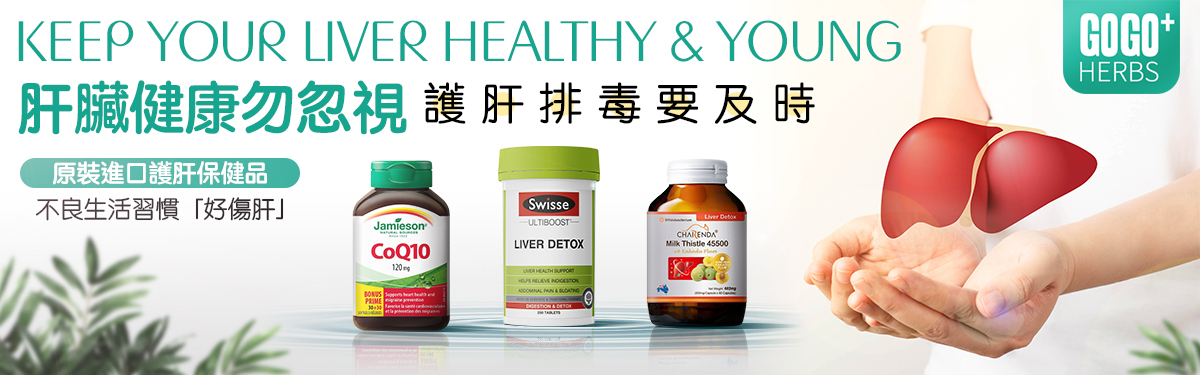
7. Gogo Herbs Liver Protection Product Recommendation
8. Frequently Asked Questions (FAQ)
Will fatty liver always develop into cirrhosis?
Not necessarily. According to the NHS, fatty liver disease is divided into four stages. Most people only stay in the first stage (simple fat accumulation) and do not have obvious problems; only a small number of people will progress to inflammation, fibrosis, or even cirrhosis. Through lifestyle adjustments such as a balanced diet, regular exercise, and weight control, liver fat can be reduced, liver repair can be aided, or deterioration can be prevented.
Do I need to take health supplements to protect my liver?
Not necessarily. The most practical way to protect your liver is through lifestyle changes: a balanced diet, regular exercise, maintaining a healthy weight, quitting smoking, limiting alcohol consumption, and using medications cautiously. Liver-protecting health supplements are...Daily nutritional supplementsIt is suitable for those with dietary restrictions or specific needs, but it cannot replace a healthy lifestyle and medical treatment.
Is milk thistle (silymarin) good for the liver?
Milk thistle is a common hepatoprotective herbal ingredient, and oral administration is generally well tolerated, with the most common side effect being gastrointestinal discomfort. However, according to the US NCCIH, research results regarding its application in liver disease are not yet consistent and are still accumulating. It can be used as part of daily maintenance but should not be considered a treatment. Individuals allergic to plants in the Asteraceae family, pregnant women, breastfeeding mothers, and those currently taking medication should consult a doctor or pharmacist before use.
Is it true that "11 p.m. to 3 a.m. is the time for the liver to detoxify"?
This claim lacks modern medical basis. The liver's work of metabolizing and processing harmful substances continues throughout the day, not just at specific times. However, regular and sufficient sleep does help with overall metabolism and body repair, and in the long run, it also helps maintain liver health; rather than fixating on specific times, it's better to develop a habit of regular sleep schedules and getting enough sleep.
Will eating peanuts and millet damage my liver?
The key lies in whether or notMold or improper storageAccording to the WHO, aflatoxin can be produced by mold on improperly stored grains and nuts (such as corn and peanuts) and is linked to liver cancer. It is recommended to buy fresh grains and nuts, keep them dry, and discard any moldy, discolored, or shriveled food; rather than targeting any particular food.
How much alcohol is considered safe to drink?
If you wish to drink alcohol, please follow NHS advice.No more than 14 alcohol units per weekAnd these should be spread over 3 days or more. The WHO points out that no level of drinking is risk-free, and most alcohol-related harms come from heavy or long-term drinking. If you are concerned about your drinking habits or want to quit drinking, you can consult a doctor or alcohol support services; long-term heavy drinkers should not suddenly stop drinking on their own.
9. Sources of information
- The UK National Health Service (NHS) — Non-alcoholic fatty liver disease (NAFLD) (Causes, stages, symptoms and lifestyle modifications)
- The UK National Health Service (NHS) — Alcohol-related liver disease (ARLD) stages, alcohol limits and support
- The UK National Health Service (NHS) — Cirrhosis (Causes, Symptoms, and Emergency Signs)
- The UK National Health Service (NHS) — 8 tips for healthy eating (balanced diet, salt and fruit/vegetable recommendations)
- The National Center for Complementary and Integrative Health (NCCIH) — Milk Thistle: Uses, Research Status, and Safety
- The National Institute of Diabetes, Digestive and Kidney Diseases (NIDDK) — NAFLD & NASH (Definition, Causes and Treatment of Fatty Liver)
- World Health Organization (WHO) — Alcohol (health risks and liver disease)
- World Health Organization (WHO) — Mycotoxins (Sources and Prevention of Aflatoxins)
- The Office of Dietary Supplements (ODS) of the US National Institutes of Health — Choline (and its relationship with liver function, food sources, and upper limits)
- The Faculty of Medicine, The Chinese University of Hong Kong A nationwide liver health survey conducted by CUHK estimates that one million Hong Kong residents suffer from fatty liver disease (27.31 TP4T, data source).
Disclaimer: This article is for health information purposes only and should not replace medical diagnosis and treatment. Health supplements are for daily nutritional support, not medication, and should not be used to "treat, cure, or prevent" any disease, nor can they replace a balanced diet, exercise, and prescription medications. Early liver disease often has no obvious symptoms; if you experience persistent fatigue, discomfort in the upper right abdomen, yellowing of the skin or whites of the eyes, abdominal swelling, or concerns about your alcohol consumption, please consult a doctor as soon as possible. Pregnant women, breastfeeding mothers, children, the elderly, and those taking prescription medications should consult a doctor or pharmacist before taking any supplements. Product information (ingredients, content, and specifications) is subject to the information displayed on the product page on the day of purchase.
Related Products:
-
Sale!
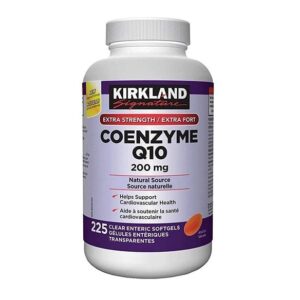
Kirkland Signature – Coenzyme Q10 200 mg 225 capsules
Original price was: $438.00.$358.00Current price is: $358.00. Add to basket -
-
Sale!

Kirkland Signature – Coenzyme Q10 100 mg 300 capsules
Original price was: $370.00.$268.00Current price is: $268.00. Add to basket -
Sale!
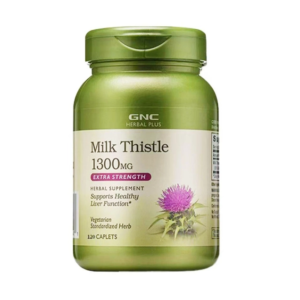
GNC – New Version Milk Thistle Liver Protectant 1300mg 120 Tablets
Original price was: $298.00.$148.00Current price is: $148.00. Add to basket
Related Post:
![母親用滴管把少量植物藻油滴在食物匙上,幼兒坐在餐桌旁]()
A Complete Guide to Plant-Based Algae Oil Omega-3: Odorless, Vegetarian, and Suitable Omega-3 Choices for Pregnant Women and Infants
![牛樟芝子實體與膠囊製品示意]()
What is Antrodia camphorata? A complete guide to its ingredients, research evidence, and precautions for consumption.
![世界心臟日護心飲食場景,香港中年夫婦享用豆漿、豆腐、雞蛋與堅果,旁有心臟及細胞膜卡通示意]()
World Heart Day: Heart Health in Hong Kong Starts with Daily Life | What are the Benefits of Lecithin? Which of Three 1200mg Products to Choose From?
![香港成年人在家閱讀與休息,從日常習慣開始理解腦部健康]()
Fish oil, mini capsules, or B12? Formulas and daily choices for 8 best-selling brain health products.