















































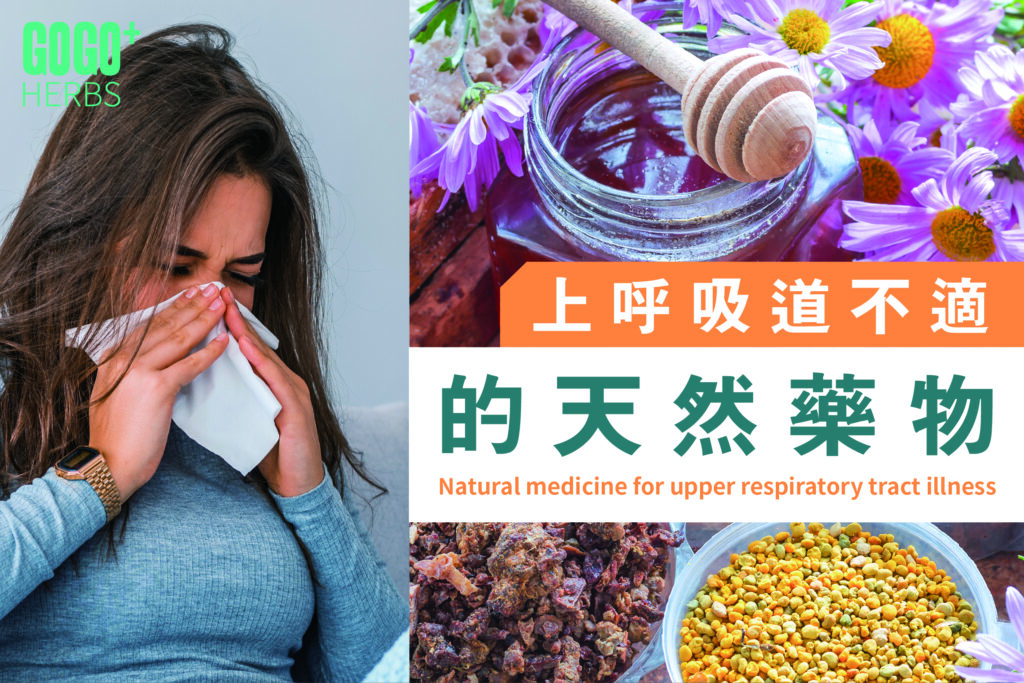
Natural remedies to relieve upper respiratory discomfort
Respiratory discomfort is undoubtedly one of the most common problems for humans. More broadly, it can be extremely unsettling, frustrating, and inconvenient. Specifically, I'm referring to mild and chronic dry cough, sore throat, sneezing, and nasal congestion (2). Natural remedies have become the preferred choice, both as a single treatment and as a component of pharmaceutical formulations. The recurring and familiar nature of respiratory discomforts, such as the common cold, quickly makes it seem less like a nuisance than a health threat. However, these infections can sometimes lead to death in the elderly and those with weakened immune systems (3).
Children experience an average of 4 to 6 symptomatic colds per year, while adults experience 2 to 3. Furthermore, susceptibility to upper respiratory tract discomfort varies from person to person, depending on their immune system and many other factors. Viruses or bacteria are arguably the primary cause of most upper respiratory tract discomforts. Only in rare cases is the infection caused by fungi or worms (5). Typical symptoms of upper respiratory tract discomfort include cough, sore throat, runny nose, nasal congestion, headache, low-grade fever, and sneezing. In some infections, such as the common cold, patients may experience cough and runny nose for up to 14 days, even after other symptoms have subsided.
It is worth noting that immunization is not feasible for controlling upper respiratory tract discomfort simply because there are hundreds of types of these viruses. Ultimately, the only solution is:
A. The best treatment is to use natural remedies to relieve symptoms, which are very effective for lung health. B. In response to the contagiousness and environmental susceptibility of these infections, preventive measures and behavioral strategies should be taken (6). Therefore, it is recommended to develop habits such as frequent handwashing, regular exercise, and avoiding the spraying of dirt, smoke, or any form that damages indoor/outdoor air quality (6).
Natural remedies are derived from beneficial plants that have been used for a long time and have been evaluated as “effective and reliable” by randomized controlled trials (RCTs). Given the clinical efficacy of these traditional remedies, they can be used as an alternative to or complement to traditional therapies such as antihistamines and decongestants for upper respiratory tract discomfort.
1. Echinacea
Echinacea plants are native to North America. Their roots have attracted scientific attention due to their high bioavailability and immunomodulatory activity. Numerous clinical studies and randomized trials have been conducted to investigate their biological feasibility. Because most of the findings are environmentally friendly, echinacea extract is currently widely used in the United States and Europe for the prevention and treatment of the common cold, and to boost immunity. Of particular note among these studies is the a-24 randomized trial involving over 3,000 participants (7).
These studies have shown that echinacea can combat the sporadic symptoms of the common cold and other upper respiratory tract infections (URIs). Although some of these studies documented specific allergic reactions; however, the use of echinacea has shown no dose-dependent side effects or major drug interaction problems (7). Echinacea is also available in tablet, tincture, capsule, extract, and tea forms. It must be noted that echinacea-enhanced ointments are also effective for tropical treatments.
2. Astragalus
Astragalus has important antioxidant properties, providing a healthy barrier for the lungs (8). Astragalus is also a key herb in traditional Chinese medicine (9). It is often mixed with other herbs to formulate treatments for various degrees of health problems and to maintain health from the heart and liver to the kidneys.
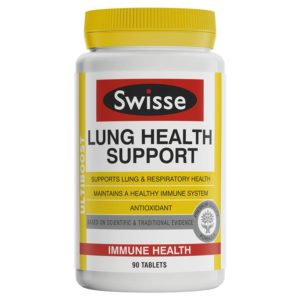
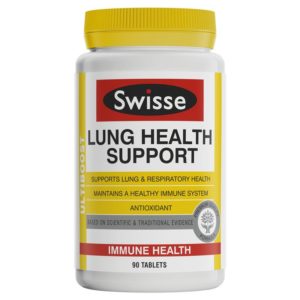
To this day, astragalus has dozens, even hundreds, of proven cures for the treatment and prevention of the common cold. As a healthy anti-inflammatory, astragalus helps protect respiratory tissues from damage caused by dry air and air pollutants (10). Such asSwisse – Natural Herbal Lung Cleansing TabletsSupplements like these use astragalus as a complex ingredient, combined with other vitamins and herbal extracts.
3. Bee propolis
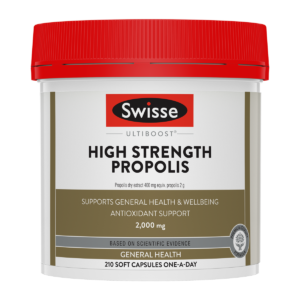
PropolisAlso known as "bee propolis," it possesses natural antibacterial properties and activity, helping to relieve mild coughs and soothe sore throats. The substance extracted from the honeycomb consists of a mixture of beeswax, resin, sap, plant compounds, and bee saliva. Propolis also has immune-boosting and detoxifying properties (11). Its plant components contain up to 10% essential oils and 5% bee pollen, along with hundreds of other beneficial natural compounds. Children may often find propolis a good option for treating throat and oral infections.
4. Spirulina
Spirulina is a non-toxic arthrospira bacterium. It is also a cyanobacterial species and is generally a vegetarian source of protein and vitamin B12. Spirulina has potent antioxidant properties for lung health (12). A 2015 study on the effects of spirulina on bronchial discomfort confirmed that long-term spirulina supplementation helps improve the treatment of bronchial discomfort (13). This study also noted that recovery was faster when medication and spirulina were used together (13). This study and other related findings explain why spirulina is increasingly used in supplements to alleviate nasal allergy symptoms such as sneezing and nasal congestion.
Reference source:
- Campbell, H. Acute respiratory infection: a global challenge. [book auth.] pp. 281-283. 73 (4). sl: Arch Dis Child, (1995),.
- R. Eccles, O. Weber. Common cold. Basel, Switzerland: Birkhauser Verlag,, 2009.
- LC Jennings, TP Anderson, KA Beynon, A. Chua, RT Laing, AM Werno. Incidence and characteristics of viral community-acquired pneumonia in adults. pp. 42-48: Thorax, (2008), . 63.
- GM Allan, B. Arroll. Prevention and treatment of the common cold: making sense of the evidence. pp. 190-199: CMAJ, , 2014. 186 (3).
- Heymann, David. Control of communicable diseases manual: an official report of the American Public Health Association. the American Public Health Association. : APHA Press, 2015. ISBN 9780875530185..
- Carter, JM Hand washing decreases the risk of colds and flu. p. A11: J Natl Med Asso, 2002. c, 94 (2).
- M. Karsch-Volk, B. Barrett, D. Kiefer, R. Bauer, K. Ardjomand-Woelkart, K. Linde. Echinacea for preventing and treating the common cold. p. CD000530: Cochrane Database Syst Rev, 2014. 2.
- herbs, Sinclair S. Chinese. A clinical review of Astragalus, Ligusticum, and Schizandrae. sl : Altern Med Rev, 1998. 338-44..
- Upton, R. Astragalus Root: analytical, quality control, and therapeutic monograph. Santa Cruz, CA: American Herbal Pharmacopoeia, , 1999. pp. 1-25.
- D. McKenna, K. Hughes, K. Jones. Astragalus. Altern Ther Health Med, : 8 (6), 2002. pp. 34-40.
- KATIE WELLS. Bee Propolis Benefits to Fight Everything From Colds to Cancer. wellnessmama. [Online] 05 04, 2018. [Cited: 06 28, 2020.] https://wellnessmama.com/366380/propolis/.
- Examine. [Online] https://examine.com/supplements/spirulina/.
- R. U. Labhe, U. V. Mani, U. M. Iyer, M. Mishra, K. Jani &A. Bhattacharya. The Effect of Spirulina in the Treatment of Bronchial Asthma. Journal of Nutraceuticals, Functional & Medical Foods . [Online] 07 06, 2015. [Cited: 06 28, 2020.] https://www.tandfonline.com/doi/abs/10.1300/J133v03n04_06#:~:text=Significant%20improvement%20in%20lung%20function,treating%20mild%20to%20moderate%20asthma..





Author. Michael F. O
Michael F.O is a ravenous health writer with over five years of experience. He has to himself a chain of certification ranging from a university degree in Biochemistry to other professional honours. He has to himself a chain of certification ranging from a university degree in Biochemistry to other professional honors.