































































Benefits and Consumption Methods of Probiotics: How to Supplement Gut Health and Immunity
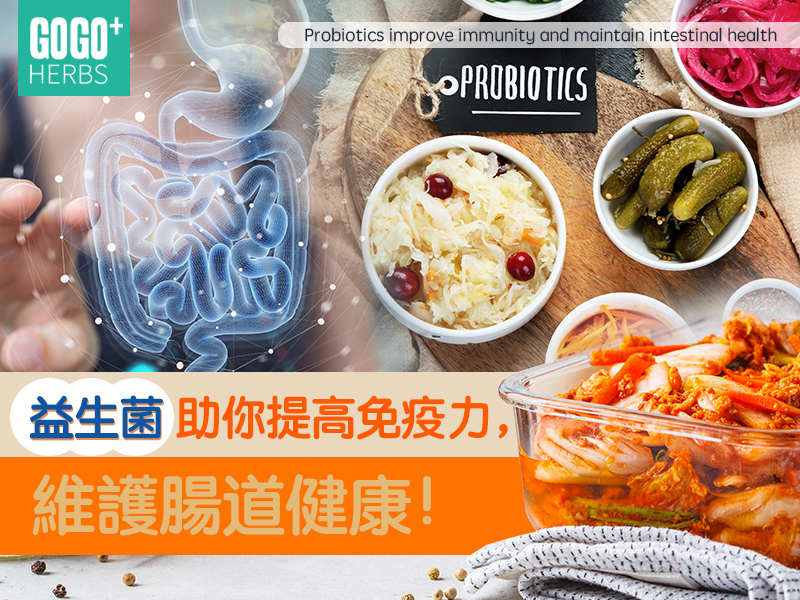
Probiotics are microorganisms that offer numerous benefits to human gut health. In recent years, a wide variety of probiotic products have appeared on the market, with varying strains and effects. Gogo Herbs has compiled relevant information about probiotics: what probiotics are, their benefits to the gut and immune system, proper usage, prebiotic pairings, the difference between live and dead bacteria, dosage form comparisons, and safety precautions. Let's learn how to properly take probiotics to maximize their benefits.
- What are probiotics?
- Benefits of probiotics
- Food sources of probiotics
- How to take probiotics? Timing, strains, and prebiotics.
- Live bacteria vs. dead bacteria, and a comparison of dosage forms.
- Side effects and safety warnings of probiotics
- When should you consult a doctor?
- Gogo Herbs Probiotic Product Recommendation
- Frequently Asked Questions (FAQ)
- Source of information
1. What are probiotics?
According to the 2001 definition by the Food and Agriculture Organization of the United Nations and the World Health Organization (FAO/WHO), probiotics refer to...When ingested in sufficient quantities, live microorganisms can bring health benefits to the host."(according to FAO/WHO Expert Consultation ReportIn other words, probiotics must be...AliveMicroorganisms must be present in sufficient quantities and have been proven through research to be beneficial to the human body in order to be considered probiotics.
The human gut contains trillions of bacteria and microorganisms. This flora begins to establish itself around birth and continues to change with diet and living environment. A healthy gut microbiota helps maintain...Digestive system and immune systemThe gut microbiota functions normally; when it becomes imbalanced, it can affect gut health. Appropriate probiotic supplementation helps maintain a healthy gut environment and reduces the impact of harmful bacteria (depending on...). UK NHS)。
2. Benefits of Probiotics
There is a considerable amount of research on probiotics, with substantial literature support in the following areas; however, attention should be paid to these areas.Efficacy is closely related to the strain.Different strains of bacteria and different products may not have the same effect.
(1) Maintaining a healthy digestive system
This is the most well-known benefit of probiotics. Probiotics help maintain a balanced gut microbiota, inhibit harmful bacteria, and support normal intestinal motility, thus promoting smooth bowel movements and gastrointestinal comfort.NCCIH (United States)Probiotics have been supported by numerous studies in various digestive-related conditions, including:
- Antibiotic-associated diarrheaTaking probiotics concurrently with antibiotics may reduce the risk of diarrhea (including diarrhea caused by Clostridium difficile); this is one of the most well-studied uses.
- Irritable bowel syndrome (IBS)Studies have shown that probiotics may help improve overall symptoms and abdominal pain (according to NCCIH/NHS).
- Relief and maintenance of infantile colic and ulcerative colitisThere is also preliminary research to support this.
- Some people experience gastrointestinal discomfort or have poor lactose digestion after drinking milk; certain probiotic strains may be helpful.
(2) Support the immune system
The gut is an important immune organ in the human body, and the gut microbiota is closely related to the immune system. Probiotics help maintain the balance between the gut and the immune system.Normal operationStudies have indicated that probiotic exposure during pregnancy and infancy may be associated with a lower risk of atopic dermatitis; preliminary studies (according to NCCIH) have also been conducted on specific strains for maintaining urinary tract and vaginal health. It should be noted that these studies primarily involve specific strains, and not all probiotics have the same effects.
(3) Weight and metabolic management
Gut microbiota is closely related to metabolism. Maintaining a balanced gut microbiota can be part of weight and metabolic management; combined with a balanced diet and regular exercise, the effects are even more practical. Probiotics are not a "shortcut" to weight loss simply by supplementing, but rather an integral part of lifestyle habits.
(4) May help maintain cardiovascular health
Some studies have explored the relationship between probiotics and cholesterol metabolism, with preliminary results suggesting they may help stabilize blood cholesterol levels. Research in this area is still ongoing and could serve as a supplementary factor beyond heart-healthy diets and lifestyle habits.
3. Food sources for probiotics
Fermented foods are a natural source of probiotics and commonly include: yogurt, kefir, pickled vegetables, sauerkraut, miso, natto, tempeh, and some types of cheese. However, please note:
- Many fermented foods contain a lot ofSalt or sugarEating more may not necessarily be beneficial;
- Not all fermented foods contain live bacteria (some lose their activity after high-temperature processing).
- Probiotics must survive to reach the intestines to be effective, and the activity of food may not be stable during transportation and storage.
If you wish to maintain a more stable intake of probiotics to preserve your gut health, consider choosing products with clear labeling.Probiotic SupplementThe strains, counts, and formulations are relatively easy to control.
4. How to take probiotics? Timing, strains, and prebiotics
(1) Consumption time
There is currently no consensus on whether to take probiotics before or after meals: some argue that taking them on an empty stomach allows the probiotics to pass through the stomach more quickly; others believe that taking them after a meal dilutes stomach acid with food, creating a better environment for probiotic survival. In fact, many products currently use...Special treatment technology for acid and heat resistanceOr enteric-coated capsules, which allow probiotics to better resist stomach acid and bile and maintain their activity. For most people,Take it regularly every day and consistently.It's more important to be mindful of a specific time; if you have a sensitive stomach and are prone to discomfort, you can choose to take it with meals.
(2) Multi-strain supplementation
Many products use a combination of 3 to 5 probiotic strains. Since different strains have different effects, a combination formula helps cover different aspects. It is recommended to allow your body time (e.g., several weeks to several months) to adapt and accumulate before assessing whether it is suitable for you; if you still feel it is not suitable after continuous use, you can try other strain formulas.
(3) Do not take with antibiotics at the same time.
Antibiotics kill bacteria and cannot distinguish between beneficial and harmful bacteria, so taking them simultaneously can affect the effectiveness of probiotics. It is recommended that people currently taking antibiotics...Leave approximately 2 hours or more between probiotics and antibiotics.Dosage (please consult your doctor or pharmacist for specific instructions). Supplementing with probiotics after a course of antibiotics can also help restore gut microbiota.
(4) Supplement with prebiotics
Prebiotics are the "food" for probiotics, mainly derived from...Water-soluble dietary fibreConsuming plenty of fruits, vegetables, whole grains, legumes, mushrooms, oats, bananas, onions, and other foods rich in dietary fiber helps probiotics grow and colonize in the gut. NHSAdults should consume 30 grams of dietary fiber daily, but most people only consume about 20 grams. Supplementing with probiotics and prebiotics together (the concept of "synbiotics") is often more ideal than supplementing with probiotics alone.
5. Live bacteria vs. dead bacteria, and a comparison of dosage forms.
Probiotics are defined aslive microorganismsProducts on the market also use this method.Heat-treated (inactivated) bacterial cellsThese products, with their specific formulations, are sometimes categorized under "postbiotics," and researchers are exploring their role in immunity and the gut. However, their positioning differs: one emphasizes...Adjusting the gut microbiotaConsumers often choose products containing live bacteria; however, product formulations and research data vary in emphasis. When purchasing, it is advisable to carefully check the labeled bacterial strains, bacterial counts, and whether the bacteria are live.
Different dosage forms have their own characteristics:
| Dosage form | Features | Precautions |
|---|---|---|
| capsule | Capsules protect probiotics from stomach acid, making them easier to reach the intestines; they are also convenient to carry. | Store in a cool, dry place, avoiding high temperatures. |
| powder | It can be mixed with water or food, making it convenient for children and the elderly; it is absorbed directly. | The brewing water temperature should not be too high (generally not exceeding 40-50°C); or it may easily stick to the mouth and esophagus. |
| Tablets (or tablets) | Convenient to carry, fixed dosage | The manufacturing process involves high heat and pressure, and some formulas may not use live probiotics. Please check this before purchasing. |
| gummy candies | The taste is appealing and suitable for children. | Some gummies use heat-resistant bacterial strains; gummies often contain sugar and should not be eaten in large quantities as snacks, and the dosage should be followed as indicated on the label. |
6. Side effects and safety warnings of probiotics
Most people tolerate probiotics well. A small number may experience mild bloating, gastrointestinal discomfort, abdominal cramps, or changes in bowel habits, which usually subside as the body adapts. If discomfort persists, consider reducing the dosage or switching products.
- People with weakened immune system function or those receiving immunosuppressive therapy;
- Critically ill, hospitalized, or critically ill patients (especially premature infants);
- Central venous catheter users;
- Those with serious illnesses or who are taking multiple medications.
In addition, some probiotic products have been found to contain microorganisms that do not match the label. When purchasing, it is advisable to choose reputable brands with clear labeling (including strains, number of bacteria, and expiration date).
7. When should you consult a doctor?
Probiotics are health supplements.It cannot replace a doctor's diagnosis and treatmentPlease consult a doctor or pharmacist first in the following situations:
- Those with immune system diseases, those receiving immunosuppressive therapy, or those with severe illnesses;
- Persistent diarrhea, bloody stools, fever, weight loss, or severe abdominal pain (seek medical attention first to determine the cause);
- Currently taking antibiotics or other prescription medications (time to take them needs to be scheduled);
- Infants, the elderly, or pregnant women, especially premature infants;
- Severe or persistent discomfort may occur after taking the medication.
8. Gogo Herbs Probiotic Product Recommendation
The following are Gogo Herbs' selected probiotic products. Please pay attention when purchasing.Bacterial strain, bacterial count, whether it is a live bacteria, dosage form and storage methodChoose according to your individual needs and advice from your doctor or pharmacist.
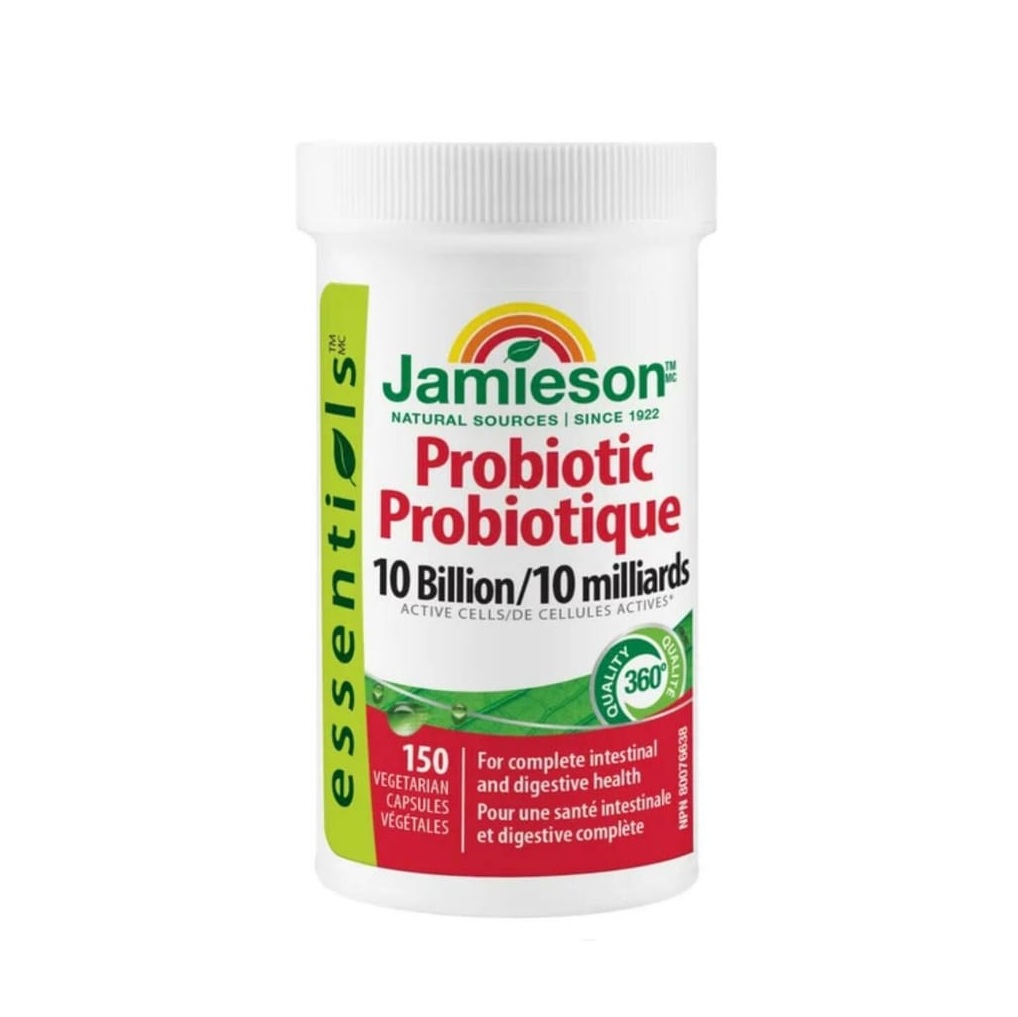
Jamieson — All-natural probiotics
- Easy-to-swallow vegetarian capsules containing 14 types of probiotics;
- It may help balance the types of gut microbiota and aid digestion;
- It may help maintain a healthy immune system.
G-NiiB — Immunity Pro Immune Professional Formula
- Precision formula, designed specifically for the gut microbiota of Asians;
- Using natural strains of bacteria and heat-resistant prebiotics may help them colonize the gut;
- It may help restore the balance of the gut microbiota and maintain immunity;
- No added artificial flavors, colors, or gluten; non-GMO.

Webber Naturals — Pure Natural Probiotics
- Five carefully selected live bacteria strains;
- It may help maintain the balance of gut microbiota;
- It may help maintain immune function and support nutrient absorption.

9. Frequently Asked Questions (FAQ)
Should probiotics be taken before or after meals?
There is no consensus at present. Some believe that probiotics pass through the stomach faster on an empty stomach, while others believe that stomach acid is diluted after a meal, which is more beneficial. Many products now use acid-resistant technology or enteric-coated capsules, making probiotics more resistant to stomach acid. For most people, taking it at the same time every day and consistently is more important than taking it at a specific time; those with sensitive stomachs should take it with meals.
Can probiotics be taken with antibiotics?
It is not recommended to take them at the same time. Antibiotics cannot distinguish between beneficial and harmful bacteria, which will affect the effectiveness of probiotics.An interval of approximately 2 hours or moreTake orally. Supplementing with probiotics after a course of antibiotics can also help restore gut microbiota. Please consult your doctor or pharmacist for specific recommendations.
How long does it take for probiotics to be effective?
Results vary from person to person and also depend on the strain and individual circumstances. Since different strains have different effects, it is recommended to allow the body time (e.g., several weeks to several months) to adapt and accumulate, and to supplement with dietary fiber (prebiotics) to promote the growth of beneficial bacteria in the gut. If you feel unwell after continued use, you can try other strain formulas.
What is the difference between probiotics and prebiotics?
Probiotics are "live microorganisms," while prebiotics are the "food" for probiotics, mainly derived from water-soluble dietary fiber (such as fruits, vegetables, grains, legumes, oats, onions, etc.). Supplementing with both together (the concept of synbiotics) is often more ideal than supplementing with probiotics alone. Adults should aim for a daily intake of 30 grams of dietary fiber.
Do probiotics need to be refrigerated? Is there an upper limit to the water temperature for brewing them?
Depending on the product, storage should be in accordance with the packaging instructions (some products can be stored at room temperature, while others require refrigeration). Probiotics are generally not heat-resistant; the water temperature for preparing powder should generally not exceed 40-50°C to avoid affecting their activity; capsules should also be avoided when taking them with hot beverages. If the product indicates refrigeration, it should be kept at a low temperature during transportation and storage.
Who should not take probiotics?
People with weakened immune systems, those who are seriously ill or hospitalized (especially premature infants), or those with a history of severe infections should consult a doctor before taking probiotics. Furthermore, those experiencing persistent diarrhea, bloody stools, fever, or severe abdominal pain should seek medical attention to determine the underlying cause before self-supplementing with probiotics.
10. Sources of information
- The National Center for Complementary and Integrative Health (NCCIH) — Probiotics: Usefulness and Safety (Efficacy Evidence, Antibiotic-Associated Diarrhea, IBS, Allergies, Safety and Infection Risk)
- The UK National Health Service (NHS) — Probiotics (Definition, IBS Evidence, Regulation and Safety Information)
- The UK National Health Service (NHS) — How to get more fiber into your diet (Dietary fiber and gut health, 30 grams daily recommendation)
- Food and Agriculture Organization of the United Nations/World Health Organization (FAO/WHO) — Probiotics in food: Health and nutritional properties and guidelines for evaluation (2001 definition of probiotics)
Disclaimer: This article is for health information purposes only and should not replace medical diagnosis and treatment. Probiotics are health supplements, not drugs, and should not be used to "treat, cure, or prevent" any disease, nor can they replace a balanced diet and prescription medications. Their efficacy is closely related to the strain, and different products may have different effects. If you have an immune system disorder, are undergoing treatment, are taking antibiotics or other medications, or are an infant, elderly person, or pregnant woman, please consult a doctor or pharmacist before use. Product information (strain, count, dosage form, and specifications) is subject to the information displayed on the product page on the day of purchase.
Related Post:
![世界心臟日護心飲食場景,香港中年夫婦享用豆漿、豆腐、雞蛋與堅果,旁有心臟及細胞膜卡通示意]()
World Heart Day: Heart Health in Hong Kong Starts with Daily Life | What are the Benefits of Lecithin? Which of Three 1200mg Products to Choose From?
![香港家居餐桌上有人閱讀無品牌補充品標籤,旁邊有蔬菜]()
2024-2025 Gut Health Product Insight Report: How to Choose? First Look at Diet, Then Clarify Five Product Pathways
![| 香港成年人在家閱讀無品牌補充品標籤,桌上有蔬菜與水]()
Hong Kong Liver Health Product Insight Report 2024-2025: Liver-Protecting Formulas Decline, Q10 Increases
![香港成年人在家閱讀與休息,從日常習慣開始理解腦部健康]()
Hong Kong Brain Health Insight Report 2024–2025: Differentiating Fish Oil, Memory Formulas, and Vitamin B12 from 87 Products