































































In markets and supermarkets, there are usually two piles of tomatoes side by side: one pile the size of a fist, used for scrambled eggs or soup; the other the size of a finger, washed and eaten as a snack. They're about the same price, but if you're trying to control your weight or blood sugar, these two piles aren't interchangeable.
To summarize: the difference between the two isn't as dramatic as commonly believed—the real difference lies in water and sugar content, and the claim of "double the calories" only holds true when using a specific database or sample size. Using the USDA's figures, it's about 1.5 times; using the commonly cited data for cherry tomatoes, it's close to double. Neither statement is wrong, but they refer to different varieties of tomatoes.
As for the claim that "lycopene's ability to scavenge free radicals is twice that of beta-carotene and 100 times that of vitamin E," the figures have a source, but the quantities used are different from what most people understand. This point will be discussed in more detail below.
1. A simple way to choose: If you want something filling, choose the big one; if you want something sweet, choose the small one.
If you put the two types of tomatoes on the same scale, the difference is actually quite simple: large tomatoes have more water and less dry matter, so they are lower in calories, larger in volume, and have more bite-sized parts; cherry tomatoes have more dry matter, and their sugar and other components are more concentrated, so they are sweeter, more fragrant, and easier to eat one after another.
This leads to two practical conclusions, which are in exactly opposite directions:
- If you want to eat a filling meal that is low in calories, you can use large portions of food.—Large tomatoes. A 200-gram large tomato contains only 36 kilocalories, and a plateful is just a fraction of half a bowl of rice.
- I want something sweet, convenient, and high in Vitamin C.—Cherry tomatoes. 27 kcal per 100 grams, twice the vitamin C of a large tomato.
Neither is considered a high-sugar food. Cherries have a higher sugar content than large tomatoes, but it's still very low compared to fruits like grapes, lychees, and mangoes. The real issue is never "which one is higher in sugar," but rather...A 250-gram box of cherry tomatoes can easily be finished in ten minutes.。
II. Two databases, two sets of numbers: How was the difference of one-tenth calculated?
The figures for the same food can differ across different databases. This isn't due to falsification, but rather to different samples. Below, we present two entries from the U.S. Department of Agriculture alongside data from Taiwan, which is frequently cited in reports.
| per 100 grams | Large Tomato (USDA 170457) | Grape tomatoes (USDA 321360) | The report cited data from Taiwan. |
|---|---|---|---|
| calorific value | 18 kcal | 27 kcal | 15–20/31–35 kcal |
| carbohydrate | 3.9 grams | 5.5 grams | — |
| 糖 | 2.6 grams | Not listed separately, the difference of approximately 0.7 grams falls on the sugar. | — |
| Dietary fiber | 1.2 grams | 2.1 grams | — |
| Vitamin C | 13.7 mg | 27.2 mg | 21/67 mg |
| 鉀 | 237 mg | 260 mg | — |
| Lycopene | 2,573 micrograms | 4,100 micrograms | — |
First, let's look at the calories. 27 divided by 18 equals... 1.5 timesIt's not "more than double". To get close to twice as much, we need to use the ratio of 31–35 to 15–20 for cherry tomatoes. The source of the difference is clear: water. Large tomatoes have about 94.5% of water, while grape tomatoes have about 92.5%. The lost water is made up by carbohydrates and fiber.
Let's look at Vitamin C. The USDA's figure is 2 times, while the report citing the CFDA says 3.2 times. This discrepancy is common in fruits and vegetables—variety, maturity, sunshine, and harvest season all affect the figures. Treating "3 times" as a fixed constant will eventually lead to inconsistencies with other sources. What we can say is a stable trend:Cherry tomatoes have about twice as much vitamin C as regular tomatoes.。
The last point is worth noting. Cherry tomatoes contain 1.6 times more lycopene than cherry tomatoes, and when people talk about cherry tomatoes, they almost always only mention vitamin C, rarely mentioning this. On a per 100-gram basis, cherry tomatoes are slightly higher in both lycopene and potassium.
III. What do the "2 times, 100 times" multipliers mean in the lycopene group?
These figures come from a 1989 paper in *Archives of Biochemistry and Biophysics* (Di Mascio et al., PMID 2802626). The title is straightforward: among carotenoids in organisms, lycopene has the highest quenching efficiency for singlet oxygen. Three measured values are provided:
- Lycopene kq = 31 × 10⁹ M⁻¹s⁻¹
- β-carotene kq = 14 × 10⁹ M⁻¹s⁻¹
- α-Tocopherol (Vitamin E) kq = 0.3 × 10⁹ M⁻¹s⁻¹
31 to 14 is approximately twice the original value, 31 to 0.3 is approximately 100 times the original value—that's how the "2 times" and "100 times" are derived. It measures...Quenching rate of singlet oxygenAnd it isEach moleculeEfficiency.
However, the same abstract then included a rarely cited statement: "When plasma concentrations are taken into account (lycopene 0.7 µM, β-carotene 0.5 µM, α-tocopherol 22 µM), the overall quenching ability of these antioxidants against singlet oxygen is actually..."Belonging to the same order of magnitudeThe reason is simple: the concentration of vitamin E in the blood is thirty times that of lycopene, which just makes up for the difference in efficacy per molecule.
There's another layer. Singlet oxygen is just one type of reactive oxygen species. The human body's antioxidant defense system is a whole system—superoxide dismutase, glutathione, uric acid, vitamin C, and vitamin E each play a part, and no single pigment can do it alone. Therefore, the conclusion that "eating lycopene will increase antioxidant capacity by a hundred times" is missing several steps.
| Common sayings | The actual quantity is | Why the misinterpretation? |
|---|---|---|
| Its free radical scavenging ability is twice that of beta-carotene. | Singlet oxygen quenching rate constant, calculated in molecular terms | Not the body's overall antioxidant capacity |
| It is 100 times more potent than Vitamin E. | For the same rate constant, α-tocopherol is only 0.3%. | The concentration of vitamin E in the blood is about thirty times higher, and the overall capacity is comparable. |
| The absorption rate increases by 2–3 times after heating. | Relative absorption rate after heating and oil blending | It's about absorption rate, not an increase in content. |
IV. Skin Whitening: This refers to erythema and pigmentation, not bleaching.
The statement that "lycopene helps with skin whitening" is more supported than most people believe, but less supported than most people believe.
A 2024 systematic review and meta-analysis (Critical Reviews in Food Science and Nutrition, PMID 36606553) integrated 21 intervention trials. The results showed that tomato or lycopene supplementation was associated with improvements in several indicators: decreased UV-induced erythema (Δa*), decreased skin pigmentation, and decreased MMP-1 and ICAM-1; while the minimum erythema dose (MED), skin thickness, and density increased.
In everyday terms:It reduces redness and pigmentation caused by ultraviolet rays, not changes your natural skin tone.Trying to lighten your skin tone by eating tomatoes will only lead to disappointment; wanting to reduce post-sun dullness and uneven skin tone is the right direction, but sun protection is still essential—lycopene can't do what sun umbrellas and sunscreens do.
Another point of confusion is research on topical applications. A 2021 double-blind randomized controlled trial used a cream containing 0.051 TP4T lycopene and wheat bran extract. Twenty-two patients with melasma applied it twice daily for three months, along with sun protection. The MASI score significantly decreased from week six onwards (PMID 33151615). This is...Apply to skinThe effects of food and ingestion are two different things and cannot be substituted for each other.
As for how much to consume to approach the experimental conditions: most skin-related tests use 10–25 mg of lycopene daily, which is roughly equivalent to three to eight medium-sized tomatoes, or an equivalent amount of concentrated product. Half a tomato per meal is still quite far from that dosage.
V. Cardiovascular System and Prostate: Mechanism Explained, Conclusions Undetermined
Lycopene can reduce the oxidation of low-density lipoprotein (LDL), a mechanism that holds up in the laboratory. However, a valid mechanism does not equate to valid clinical results—to extrapolate "reducing LDL oxidation" to "reducing heart attacks," large-scale randomized controlled trials are needed, and such trials are currently limited.
The prostate cancer line is more complex, with generational studies in the 1990s, later meta-analyses, and a few randomized trials, and the conclusions of these three layers of evidence are inconsistent.A complete nutritional analysis of tomatoesThese three layers have been listed separately before, so I won't repeat them here.
To put it conservatively and accurately: adding tomatoes to your daily diet, replacing some high-sodium snacks and processed meats, is beneficial for blood pressure and weight management; as for whether lycopene itself can reduce the incidence of a certain disease, the existing evidence is insufficient to conclude.
6. Are large tomatoes considered vegetables and small tomatoes considered fruits? Hong Kong's calculation method is different.
The distinction between "large tomatoes are vegetables, cherry tomatoes are fruits" comes from a Taiwanese dietary guideline. The logic is simple: large tomatoes are low in carbohydrates and high in fiber, thus classifying them as vegetables; cherry tomatoes are higher in sugar, thus classifying them as fruits.
The Hong Kong Department of Health's "daily 2+3" plan does not have such a detailed breakdown. Its calculation is based on serving size:
- A serving of vegetables= Half a bowl of cooked vegetables, melons or mushrooms; or three-quarters of a cup of fresh vegetable juice (including pulp; tomato juice belongs to this category).
- A serving of fruit= Half a bowl of small pieces of fruit (raisins, cherries, strawberries); or one medium-sized fruit; or two small fruits.
Cherries are not categorized separately in the official examples. The practical approach is simple:Large tomatoes are used for stir-fries and soups, so they should be counted as vegetables; cherry tomatoes, which are usually eaten in large quantities (about half a box at a time), should be counted as fruit.。
Why worry about this? Because there's a budget for the number of servings. It's recommended to have two servings of fruit and at least three servings of vegetables daily—the same box of cherries, if counted as fruit, uses up half a day's allowance, but if counted as vegetables, it's like earning an extra serving. Categorization isn't an academic issue; it's a quota issue.
VII. Weight Loss: For the same 200 grams, the difference is less than half a teaspoon of oil.
Weigh out 200 grams of each type of tomato, and the difference will become clear.
| Servings | calorific value | 糖 |
|---|---|---|
| 200 grams of large tomatoes (about one) | 36 kcal | 5.2 grams |
| 200 grams of grape tomatoes (about 20 tomatoes) | 54 kcal | Approximately 6.6 grams |
| A box of cherry tomatoes, 250 grams. | 68 kcal | Approximately 8.3 grams |
200 grams versus 200 grams, the difference is 18 kcal. A teaspoon of oil contains approximately 45 kcal, meaning this difference...Less than half a teaspoon of oilAdding just one extra spoonful of oil to the same plate of scrambled eggs with tomatoes can negate the difference between large and small tomatoes throughout the year.
Therefore, the reason why "choose large tomatoes for weight loss" is valid is not because of the 18 calories, but because of...It is not easy to eat too much at onceLarge tomatoes need to be washed and cut, and because of their size, you can feel full after eating just three. Cherries, on the other hand, are washed and placed on the table, and you can easily eat them one at a time, box after box. The key to controlling weight has always been the total amount consumed, and large tomatoes are more "foolish" in terms of quantity.
Conversely, if your problem is "wanting something sweet but not sugary," cherry tomatoes are a reasonable alternative—they're much lower in sugar than grapes or mangoes, and better than cookies. Just make sure to pour the portion into a bowl first, don't eat it straight from the packaging.
8. Diabetes: Focus on portion size and method of consumption, not size.
Both types of tomatoes have a low glycemic load. 200 grams of tomatoes contain approximately 5 to 7 grams of sugar, which won't cause significant blood sugar fluctuations for most people. The three things that truly affect blood sugar are:
First, the quantity.A 250-gram box of cherry tomatoes contains about 8 grams of sugar, which is not much; however, if consumed as an "unrestricted snack," three boxes a day would amount to 25 grams of sugar, which is close to half of the daily limit for free sugars.
Second, pairing.Eating tomatoes on an empty stomach causes the sugar to come in and go quickly, making you feel hungry again after an hour or two. Pairing the same tomato with eggs, cheese, nuts, or a little olive oil slows down stomach emptying and prolongs the feeling of fullness.
Third, form.Eating whole tomatoes and juicing them are two different things. A 240 ml glass of tomato juice requires three or four tomatoes, removing most of the fiber and greatly reducing the feeling of fullness. If salted tomato juice is used, it contains 253 mg of sodium per 100 grams, adding extra salt to the juice. The same tomato, when juiced, is not very friendly to blood sugar and blood pressure.
For individuals with pre-existing blood sugar abnormalities—fasting blood sugar 7.0 mmol/L or higher, postprandial blood sugar 11.1 mmol/L or higher two hours after a meal, or glycated hemoglobin 6.51 TP4T or higher—the portion sizes should be determined by a doctor or registered dietitian based on medication and overall diet, and should not be relaxed on one's own based on the reason that "tomatoes are healthy."Can adding tomatoes to miso soup help stabilize post-meal blood sugar?One article explains the three thresholds for postprandial blood glucose and their interpretation in detail.
9. Peeling and Cleaning: The Value of Leather and Three Myths About Washing Methods
Tomato skins do contain dietary fiber and some lycopene. Per 100 grams, a large tomato contains 1.2 grams of fiber, and a cherry tomato contains 2.1 grams, some of which is in the skin. If you're not particularly concerned about the texture, cooking with the skin on is a convenient and inexpensive method.
When should you peel tomatoes? When making tomato paste, stewing for a long time, or making thick soup, the skin will curl up and affect the texture, so it's best to peel it off. However, for salads, eating them raw, or sandwiches, it's perfectly fine to leave the skin on.
Regarding cleaning, the Hong Kong Centre for Food Safety's recommendations are much simpler than what's circulating in the public, and in the opposite direction:
- A thorough rinse with running water is sufficient.It can effectively remove surface contaminants, including pesticide residues.
- For fruits and vegetables with hard skin, you can use a clean brush to scrub the surface and crevices.
- It is not recommended to use soap, formulated detergents, or fruit and vegetable cleaners.These things may leave residues.
- The center started in the first quarter of 2017.Soaking vegetables is no longer recommended.Soaking offers limited help in removing residues, but water-soluble vitamins will leach into the water.
In other words, the practice of "soaking it in salt water or detergent to make it clean" is unnecessary and also washes away the vitamin C—which is precisely the advantage of cherry tomatoes over large tomatoes.
10. Raw or cooked: The actual amount of heating and oil used.
Heating softens cell walls, releasing lycopene from tissues and converting it from the trans form to the more easily absorbed cis form; combined with oils, absorption is further enhanced. This approach benefits lycopene but is detrimental to vitamin C—vitamin C is heat-sensitive, and the longer it's cooked, the less it's retained.
Therefore, there's no need to choose one over the other. By combining half raw and half cooked within a single day, you can get the advantages of both:
- Eat raw—Cherries can be eaten directly after washing, or sliced and tossed with a little olive oil. They retain the most vitamin C.
- Delicatessen— Tomato scrambled eggs, tomato soup, roasted tomatoes. About 10 grams of fat in a meal (about two teaspoons of oil, half an avocado, an egg with a little oil) is enough to help with absorption; there is no need to specify olive oil.
The claim that "raw tomatoes are a waste of money" is unfounded. While the absorption rate of lycopene from raw tomatoes is lower, the total amount ingested can still be absorbed if consumed frequently or in large quantities. For a detailed comparison of products (differences in sodium and sugar content between tomato paste, tomato juice, and tomato sauce), see [link to relevant documentation].A complete nutritional analysis of tomatoes。
11. Who needs to be especially careful
Tomatoes are a mild food, but some people need to adjust their intake according to their own circumstances.
- Chronic kidney disease, high blood potassium-- 100 grams of large tomatoes contain 237 mg of potassium, while 100 grams of cherry tomatoes contain 260 mg. It's not that you can't eat them, but you should calculate the amount within your daily potassium limit. Those undergoing dialysis should especially check the amount with their medical team.
- Acid reflux, stomach discomfortEating large amounts of raw food on an empty stomach may trigger a burning sensation. Eating it cooked or with other foods is usually more comfortable.
- People allergic to birch pollen—Odor allergic reactions may occur; raw tomatoes may cause itching and tingling sensations on the lips. Most people can tolerate them after cooking.
- Taking anticoagulants or other long-term medicationsTomatoes themselves are not a high-vitamin K food, so they generally have little impact; however, if you plan to make significant changes to your diet (such as drinking large amounts of tomato juice daily), it is best to consult your doctor or pharmacist first.
In addition, it's important to distinguish between "food" and "symptoms." Lycopene and tomatoes are good for your health, but persistent stomach pain, difficulty swallowing, unexplained weight loss, and blood in the stool are not symptoms that can be resolved by eating tomatoes, nor should they be attributed to diet. You should seek medical attention as soon as possible.
Frequently Asked Questions
Should I eat large tomatoes or cherry tomatoes when trying to lose weight?
Both are acceptable, but large tomatoes are easier to control the total amount consumed. 200 grams of large tomatoes contain 36 kcal, while cherry tomatoes contain about 54 kcal, a difference of less than half a teaspoon of oil. The real difference lies in how they are eaten: large tomatoes need to be cut and eaten, making it difficult to overeat; cherry tomatoes are washed and placed on the table, often sold in boxes. If choosing cherry tomatoes, pour out a fixed amount first, then store the rest.
Are cherry tomatoes really 3 times higher in Vitamin C?
See the data sources. According to the USDA, grape tomatoes contain 27.2 mg of vitamin C per 100 grams, while large tomatoes contain 13.7 mg, about twice as much. The report cites figures from Taiwan's Council of Agriculture, which show 21 mg and 67 mg per 100 grams, about 3.2 times more. The differences stem from variety (cherry tomatoes differ from grape tomatoes), ripeness, and cultivation conditions. It can be reliably stated that cherry tomatoes have a higher vitamin C content, approximately twice as much; the claim of "a fixed 3 times" is not accurate.
Can diabetics eat cherry tomatoes?
Yes, it's possible, but the key is the quantity and form. 200 grams of cherry tomatoes contain about 6.6 grams of sugar, which has a low glycemic load; a 250-gram box only contains about 8 grams of sugar. It's important not to treat it as an unlimited snack (three boxes a day would be about 25 grams of sugar), and don't replace whole tomatoes with tomato juice—less fiber, significantly reducing the feeling of fullness, and the salted version adds extra sodium. If there are any adjustments to medication or insulin dosage, consult your doctor or registered dietitian first.
Should the tomato skin be removed?
In most cases, it's unnecessary. The skin contains dietary fiber and some lycopene, so cooking it with the skin on is convenient and retains nutrients. When making tomato paste, stewing for a long time, or making thick soup, the skin may curl up and affect the texture, in which case it's better to peel it. For cleaning, simply rinse thoroughly under running water; for tough skin, use a clean brush. It's not recommended to use soap or fruit and vegetable cleaners, and soaking is unnecessary.
Is taking lycopene supplements better than eating tomatoes?
Generally, it's unnecessary. Tomatoes provide vitamin C, potassium, fiber, and water, while supplements only provide a single component. The lycopene dosage used in skin-related tests is 101 TP1 25 mg daily, roughly equivalent to three to eight medium-sized tomatoes or an equivalent amount of concentrated product. Achieving this amount through a regular diet is not difficult, but if your diet is already low in fruits and vegetables, increasing your intake is more practical than purchasing supplements. Those currently taking medication or with chronic illnesses should consult a doctor or pharmacist before adding supplements.
Will eating tomatoes on an empty stomach hurt my stomach?
For most people, this won't be a problem. However, people with acid reflux, stomach ulcers, or those prone to stomach discomfort may experience heartburn or bloating if they eat large amounts of raw food on an empty stomach. Eating cooked food or other foods with it is usually more comfortable. If you experience recurring stomach pain or heartburn after eating on an empty stomach, you should consult a doctor for evaluation, rather than simply trying to adjust your eating habits.
Source of information
- USDA FoodData Central:Tomatoes, red, ripe, raw (FDC 170457)、Tomatoes, grape, raw (FDC 321360)。
- Di Mascio P, et al. Lycopene as the most efficient biological carotenoid singlet oxygen quencher. Arch Biochem Biophys 1989. PMID 2802626
- Effect of tomato and lycopene on clinical characteristics and molecular markers of UV-induced skin deterioration: systematic review and meta-analysis. Crit Rev Food Sci Nutr 2024. PMID 36606553
- Double-blind, placebo-controlled randomized trial of a skin-lightening cream containing lycopene and wheat bran extract on melasma. J Cosmet Dermatol 2021. PMID 33151615
- Hong Kong Centre for Food Safety:Pesticide residues in food (Common problems)。
- Department of Health's "Living a Healthy New Direction":Common questions about healthy eating (the amount of fruit and vegetables served).。
Further Reading
- A Comprehensive Analysis of Tomato Nutrition: How Lycopene is Absorbed, and the Relationship Between Potassium and Blood Pressure
- Can miso soup with tomatoes stabilize post-meal blood sugar? The truth about blood sugar at Japanese dining tables.
- Tomatoes are more than just tasty. Lycopene is good for your liver.
- Nutritional Myths and Food Safety of Watermelon
Health ReminderThis article provides general dietary information and does not constitute medical advice, nor can it replace diagnosis or prescription. Individual weight goals, blood sugar levels, kidney function, and medication use vary; portion sizes should be determined by a doctor or registered dietitian on a case-by-case basis. If you experience persistent stomach discomfort, difficulty swallowing, unexplained weight loss, or blood in your stool, please seek medical attention immediately; in case of emergency, please call 999.
Related Products:
-
Sale!
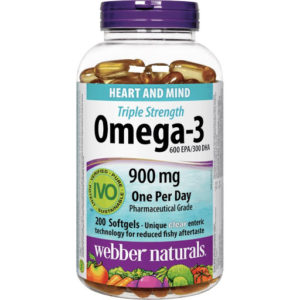
Webber Naturals – Triple Strength Omega-3 (900mg EPA / DHA) 200 capsules Value Pack
Original price was: $398.00.$298.00Current price is: $298.00. Add to basket -
Sale!

Kirkland Signature – Omega-3 Ultra Concentrated Deep Sea Fish Oil Capsules 1300mg 330 Capsules
Original price was: $350.00.$298.00Current price is: $298.00. Add to basket -
Sale!
Vebogen – Omega 3 & Coenzyme Q10 & Phytosterols 200 Capsules
Original price was: $290.00.$245.00Current price is: $245.00. Add to basket -
Sale!

Webber Naturals – Omega-3 Mini Fish Oil Capsules 300mg 220 Softgels
Original price was: $198.00.$168.00Current price is: $168.00. Add to basket
Related Post:
![眼乾食葉黃素有用嗎?」「秋冬天眼乾特別嚴重,點算?]()
What foods are good for dry eyes? The roles and selection of Omega-3, lutein, zeaxanthin, and blueberry extract.
![男士夜尿、滴滴仔:良性前列腺增生的症狀、檢查與保健品選購]()
Nocturia and dribbling in men: Symptoms, examinations, and supplemental evidence of benign prostatic hyperplasia (BPH).
![通宵一晚,血壓會升多少?]()
Staying up late and blood pressure: How much will blood pressure rise after staying up all night on Halloween? Interpreting cardiovascular risk data.
![均衡備餐與體重管理]()
Weight Management Shopping Guide: 8 Selected Probiotics, Apple Cider Vinegar, and Herbal Formulas