










































Role, efficacy and intake of Coenzyme Q10
Ingredients frequently found on lotion and beauty product packagingCoenzyme Q10(also known as)CoQ10Besides being beneficial to the skin, Coenzyme Q10 is also a crucial nutrient for maintaining overall health! Low levels of Coenzyme Q10 in the body can lead to more than just illness; when the body's Coenzyme Q10 concentration falls below 75%, it can even be fatal! Want to know if your Coenzyme Q10 levels are sufficient? If you've recently found yourself getting increasingly tired, this could be a warning sign that your Coenzyme Q10 levels are declining.
What is Coenzyme Q10?
Coenzyme Q10Coenzyme Q10 is an essential coenzyme for our daily bodily functions and is also an antioxidant that the body can produce on its own. It provides nutrients to the body's cells to generate energy, and it is extremely beneficial for maintaining the health of organs and tissues. Therefore, coenzyme Q10 can be found almost everywhere in the human body. Among all organs, the heart, which beats busily every second, has the highest concentration of coenzyme Q10.
The role of coenzyme Q10
Coenzyme Q10, as an antioxidant, protects cell membranes from lipid peroxidation, revitalizing cells to support our body's daily functions. As an essential nutrient for most organs, coenzyme Q10 has a variety of benefits! Among these, its benefits to the heart and skin are supported by extensive medical research.
- Maintaining heart health
- It may help stabilize blood pressure levels.
- Beauty and anti-aging
How to supplement Coenzyme Q10
Although coenzyme Q10 can be produced naturally in the human body, its concentration gradually decreases with age or the use of certain medications. The production of coenzyme Q10 in the human body peaks around age 20, and the level gradually declines after age 30, dropping sharply to about 30% of its peak level by age 40.
In addition to the coenzyme Q10 produced by the body itself, we can also obtain it from food andhealthcare productYou can get Coenzyme Q10 from these sources! Foods rich in Coenzyme Q10 include fish, whole grains, spinach, carrots, peanuts, soybeans, sesame seeds, eggs, kiwis, cherries, and nuts. Incorporate more of these foods into your daily diet! According to the Department of Health, the recommended daily intake of Coenzyme Q10 for healthy individuals is no more than 30 mg. Therefore, consuming an appropriate amount of Coenzyme Q10, without overdosing, is an important aspect to consider when absorbing Q10.
Coenzyme Q10 Recommendation
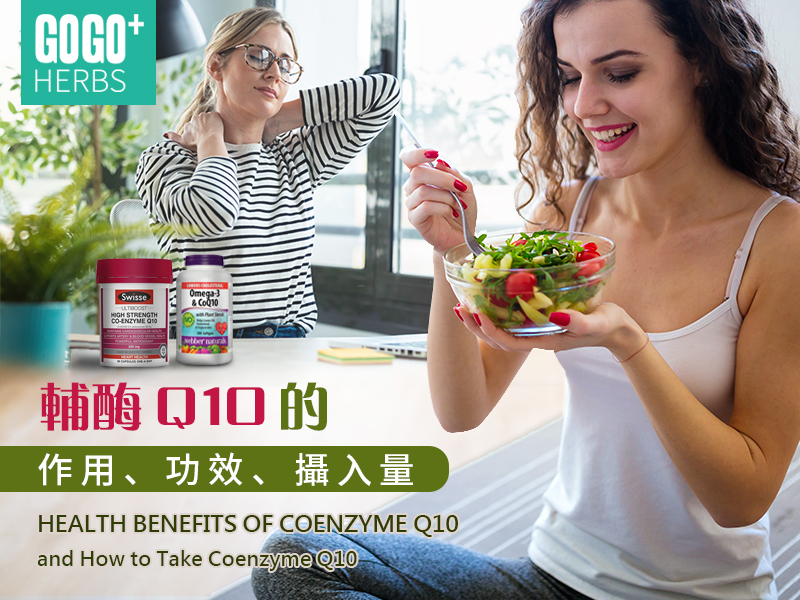
- Swisse – Ultiboost High Coenzyme Q10 300mg: Provides a high dose of coenzyme Q10 to provide antioxidant support, protect cell membranes from free radical damage, help slow aging, and ensure normal bodily functions.
- Vepogen – Extra Concentrated Coenzyme Q10 (100 mg): The formula is free of artificial colors, preservatives, and sweeteners, and contains no dairy or starch, making it safe for those with food allergies. It contains extra concentrated Coenzyme Q10, which helps activate heart muscle cells, increase cellular oxygenation, and maintain cardiovascular, skin, and muscle health.
- Vebogen – Omega-3 & Coenzyme Q10 & Phytosterol Q10: Highly EffectiveOmega 3Fatty acids, combined with coenzyme Q10, support cardiovascular, brain, and eye health, while also possessing antioxidant properties to effectively slow aging and maintain normal bodily functions. The addition of phytosterols may help stabilize cholesterol and blood lipid levels.