


















































Foods rich in Omega-3 fatty acids
Omega-3 fatty acidsOmega-3 fatty acids are a group of fatty acids found in every cell of the body. Fish, fish oil, and some rapeseed oils are good sources of these fatty acids. Today, a wealth of research supports the role of omega-3 in infant development, brain function, joint discomfort, and other conditions. Omega-3 fatty acids are composed of three acids; when we consume foods rich in omega-3 fatty acids, our bodies break them down into EPA, DHA, and ALA.
Fish and fish oil are the richest sources of EPA, a fatty acid. Both freshwater and saltwater fish are high in EPA, containing between 391 TP4T and 501 TP4T. DHA is an important component of omega-3 fatty acids and can be found in fish oil or red algae. It is also present in many parts of the human body, such as the retina. The human brain is composed of approximately 651 TP4T of fat, of which 501 TP4T is DHA. Flaxseed is a rich source of ALA, which is also found in small amounts in hemp, walnuts, soybeans, and canola oil. Some leafy green vegetables also contain ALA.
Sources of Omega 3 fatty acids
Since the human body cannot produce omega-3 fatty acids on its own, it must obtain them from food. You can consider adding these top foods rich in omega-3 fatty acids to your diet to avoid omega-3 deficiency.
Omega 3 Animal Source
Oily fish are the richest source of long-chain omega-3 fatty acids, which may help maintain heart health. Omega-3s are also important for pregnant or breastfeeding mothers, as they contribute to the normal brain development of infants. Experts recommend eating at least one serving of fish per week, approximately 140g. Most oily fish (such as salmon) contain edible bones, which can provide the body with calcium and phosphorus, helping to strengthen bones. Oily fish rich in omega-3 include: herring, salmon, sardines, trout, and mackerel. Shellfish rich in omega-3 fatty acids include: mussels, oysters, squid, and crab. Whitefish rich in omega-3 fatty acids include: sea bass, sea bream, turbot, and halibut.
Tip: Steaming or grilling fish is healthier than frying fish, as frying increases the fat content of fish and shellfish.
Omega 3 plant-based sources
- Flaxseed Oil
- rapeseed oil
- Sunflower or safflower oil
- Coconut oil
- Wheat Germ Oil
- eggs
- Roasted soybeans
- Walnut
- broccoli
- Broccoli
Recommended Omega 3 supplements
Supplementing with omega-3 fatty acids is crucial for patients who require significant amounts. Below are some premium omega-3 products from highly bioavailable brands:
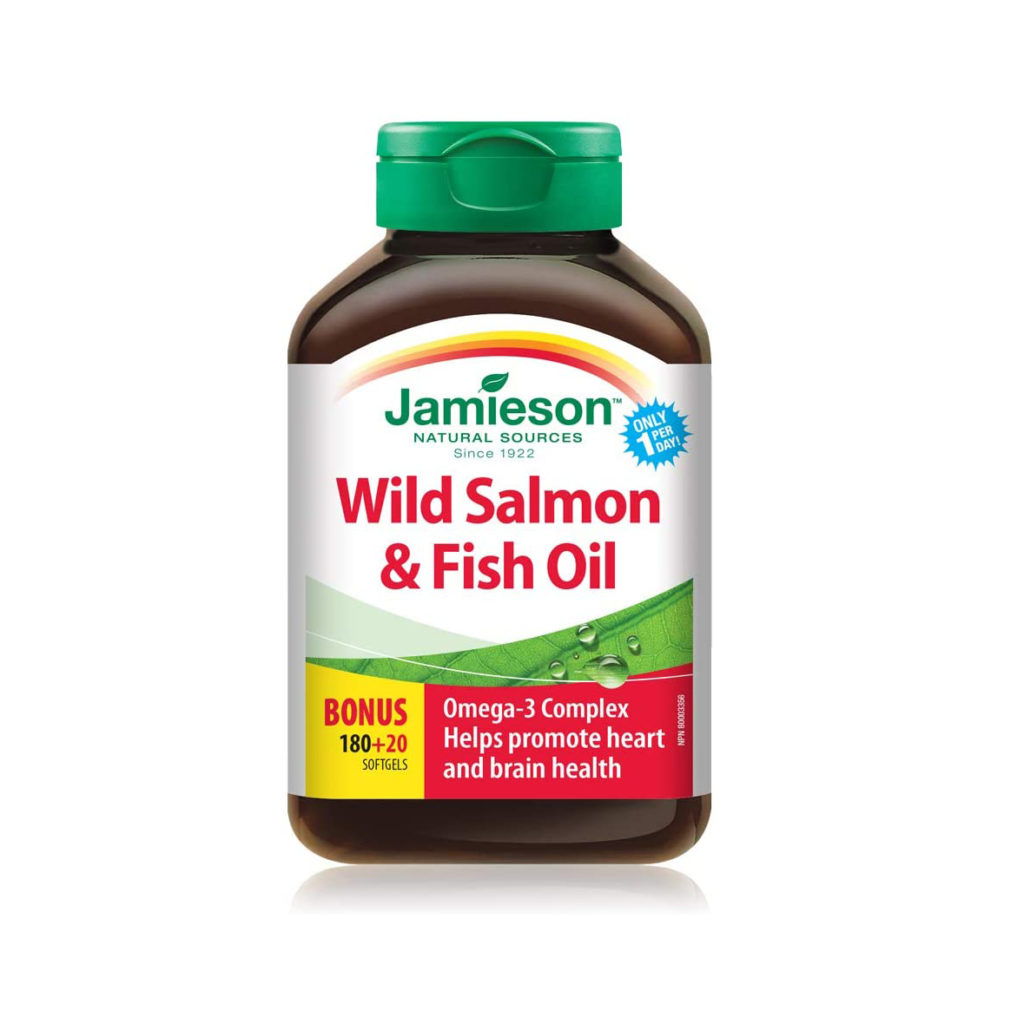
- Jamieson – Salmon Oil 1000mg Soft Capsules
This product supports heart and brain health. Jamieson is a rigorously certified Canadian brand, and given their long-standing market reputation, you can expect to get pure and highly bioavailable fish oil from this product.
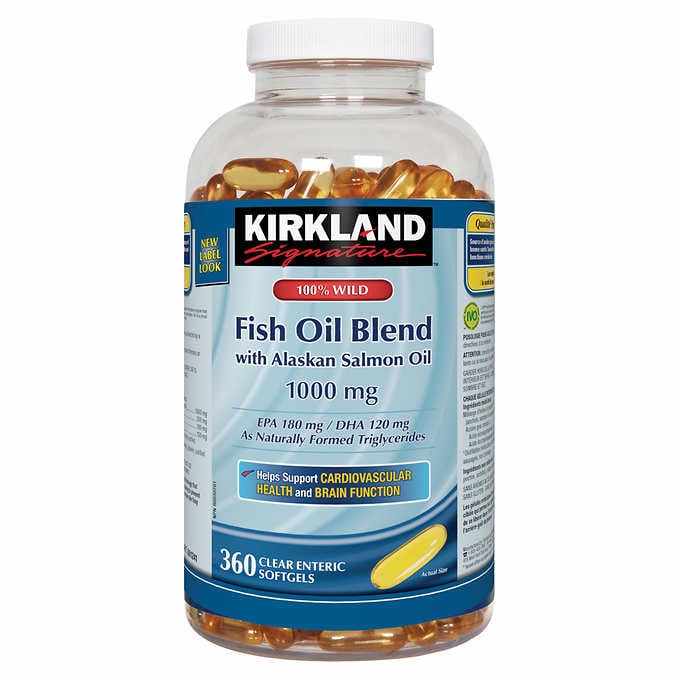
- Kirkland Signature – Omega-3 Ultra Concentrated Deep Sea Fish Oil Capsules 1200mg
Kirkland Signature's fish oil product is also worth considering. These softgels contain pure and highly concentrated unsaturated fatty acids (EPA and DHA). This product may be formulated to help stabilize blood pressure levels, maintain heart health, and promote brain development and eye function.
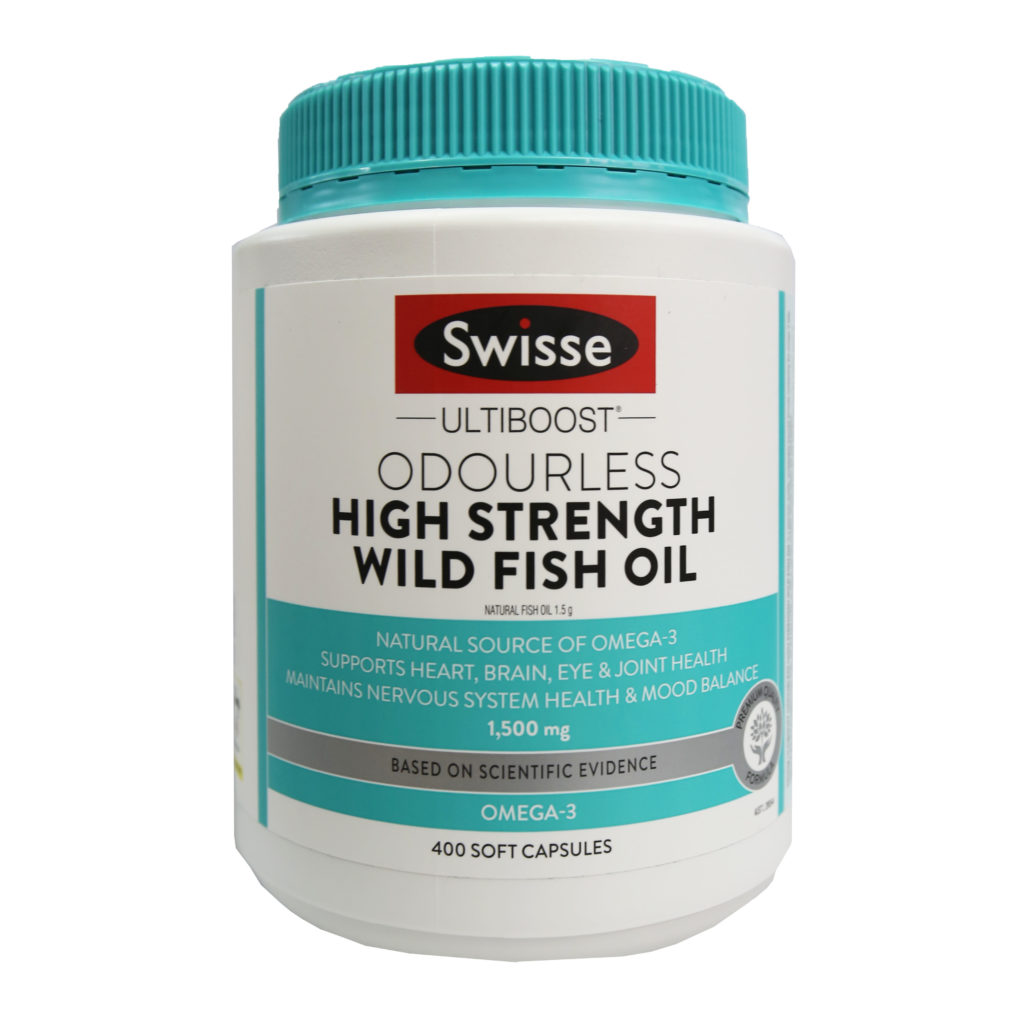
- Swisse – Ultiboost Odorless High Concentration Wild Fish Oil 1500mg
This product is one of the highest quality flavorless fish oil products, containing 1500mg of a blend of EPA and DHA. These softgels may be a good option for achieving a normal heart rate and promoting eye health.
- Charenda – High Purity DHA Fish Oil for Adults 700mg
This fish oil product contains 551 TP4T of EPA, meaning it helps maintain cardiovascular and blood pressure health. Each capsule contains 1100 mg of fish oil, and the recommended dosage is one capsule twice daily.
- Charenda – High Purity DHA Fish Oil for Children 700mg
This product contains 700mg of pure fish oil, which can improve children's learning abilities and ensure long-term health benefits. Kids also love fish oil softgels; you can add these flavorless capsules to your children's food or snacks to enrich their diet.