
























































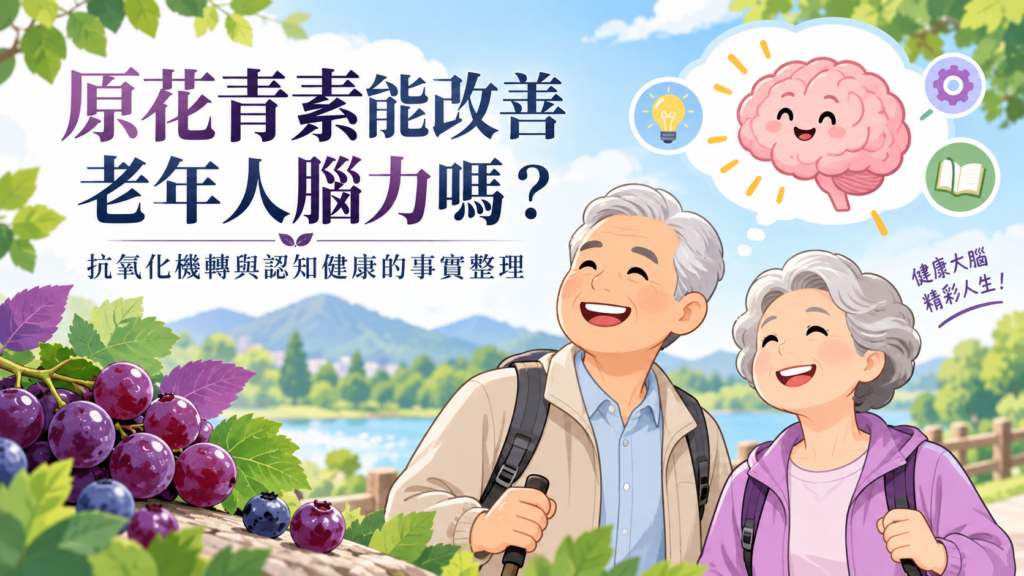
Can proanthocyanidins improve brain function in the elderly? A summary of facts about antioxidant mechanisms and cognitive health.
This article is for nutrition education purposes only and is not intended as medical diagnosis or treatment advice.
Table of contents
- What are proanthocyanidins (OPC)?
- Scientific Background of Antioxidants and Vascular Health
- Current Evidence Regarding "Improving Brainpower"
- What's your opinion on the claim that it "improves menstrual discomfort in women"?
- Daily food sources
- Precautions for supplements
- When should you seek medical attention?
- Frequently Asked Questions (FAQ)
- Source of information
What are proanthocyanidins (OPC)?
Oligomeric proanthocyanidins (OPC) belong to a family of plant compounds known as polyphenols, and are commonly found in grape seeds and skins, blueberries, cranberries, peanut skins, and pine bark extracts. They are also one of the natural sources of pigments that give certain fruits their deep colors (purple, red, blue).
In nutrition, OPC is classified asantioxidant—In other words, substances that help the body neutralize reactive molecules like "free radicals." Free radicals are natural byproducts of metabolism and external stimuli (such as ultraviolet radiation and pollution), and an excess can cause oxidative stress in cells. Vitamin C itself is also an important antioxidant and can help reduce other antioxidants in the body (such as vitamin E).(Refer to NIH ODS Vitamin C Fact Sheet)
Scientific Background of Antioxidants and Vascular Health
Common claims about OPC focus on two points, which do have some scientific basis, but they need to be understood in the correct context:
- Antioxidant and reduces oxidative stress:OPC, as a polyphenolic antioxidant, has been shown in laboratory and some human studies to scavenge free radicals and reduce oxidative stress. It should be noted that the body's antioxidant system is complex, and the effectiveness of a single component can be influenced by overall diet and lifestyle habits.
- Supporting microvascular health:Vitamin C is an essential nutrient for collagen synthesis, and collagen is a crucial component of blood vessel walls and connective tissue. Vitamin C deficiency can lead to capillary fragility, resulting in easy bruising and bleeding (a characteristic of scurvy). OPC has also been associated with microvascular function in some studies. However, this...Not equal to"It improves blood flow to the brain and directly enhances brainpower."
In short: OPC and related antioxidant nutrients have research support for "maintaining the comfort of vascular endothelium and microcirculation", which is at the level of daily maintenance, rather than a therapeutic "brain-boosting" method.
Current Evidence Regarding "Improving Brainpower"
The original text states that "older people often have poor blood circulation; OPC scavenges free radicals, improves capillary condition, and increases blood flow to the brain, thereby improving mental function." This mechanism-based reasoning is scientifically sound.Too direct and absolutist:
- Antioxidants and microvascular health are indeed among the major environmental factors for brain health;
- However, there is a lack of reliable human clinical evidence to support the claim that "consuming OPCs" leads to "the brain receiving more oxygen and improved memory and thinking abilities" as an "effective improvement."
The National Institute on Aging (NIA) in the United States has clearly stated that: CurrentlyNo vitamin or supplement is recommended for the prevention of Alzheimer's disease or other forms of cognitive decline.The effects of individual foods or supplements on cognitive health are still under investigation. The organization, however, emphasizes that the following factors have strong evidence for maintaining cognitive function in older adults: a balanced diet (such as the Mediterranean diet), regular exercise, sufficient sleep, control of high blood pressure and diabetes, and maintaining social and mental activity.(Refer to NIA "Cognitive Health and Older Persons")
Therefore, a more honest way to write it is: OPC can be used as...Part of an antioxidant dietIt may help with overall health and vascular comfort, butIt should not be regarded as a guarantee of "improved brainpower" or a substitute for regular care.。
What's your opinion on the claim that it "improves menstrual discomfort in women"?
The original text also includes a statement about "OPC improving menstrual discomfort in women." This is not closely related to the topic of "mental health in the elderly" in this article, and it also falls under the same category.Additional claims that are not fully substantiatedSome small studies have explored the relationship between certain plant polyphenols and menstrual discomfort (such as cramps), but the evidence is limited and the conclusions are inconsistent, so they cannot be considered universally valid. If you experience related problems, it is recommended to consult an obstetrician-gynecologist or a registered Chinese medicine practitioner, rather than relying on supplements to manage them yourself.
Daily food sources
Compared to consuming high-concentration extract supplements, obtaining polyphenolic antioxidants from natural foods carries lower risks and provides more balanced nutrition. Common foods rich in OPC or related polyphenols include:
- Dark berries such as grapes (especially the skin and seeds), blueberries, cranberries, and strawberries;
- Peanut skin (the outer red skin of peanuts), certain beans;
- Red wine (contains polyphenols, but alcohol itself poses risks to the elderly and most people, and it is not recommended to drink alcohol in order to obtain OPC).
Overall, the combination of phytochemicals and dietary fiber provided by a variety of fruits and vegetables, whole grains, and healthy fats (such as olive oil and fish) is more beneficial to long-term health than any single ingredient.(Refer to NHS Eat Well balanced diet guidelines)
Precautions for supplements
If considering OPC-related supplements (such as grape seed extract), please note:
- Ingredients and content are subject to the product label:The OPC concentration and dosage form vary greatly among different products. Please refer to the actual packaging label for the most accurate information. This article does not comment on any specific brand.
- Non-pharmaceutical:Supplements are for daily nutritional support and cannot diagnose, treat, or prevent any disease.
- Consult a doctor/pharmacist first in special circumstances:Elderly people often take multiple medications (such as anticoagulants, antihypertensive drugs, and hypoglycemic drugs), and grape seed extract may affect blood clotting or blood pressure; pregnant or breastfeeding women, and those with poor liver or kidney function should also consult a doctor first.
- It does not replace basic care:A balanced diet, exercise, sleep, control of high blood pressure, high cholesterol, and high blood sugar, and regular health checkups are the foundation for maintaining brainpower.
When should you seek medical attention?
If an elderly person exhibits any of the following symptoms, please prioritize medical evaluation and do not rely on health supplements:
- Memory has clearly deteriorated compared to the past; repetitive questions; getting lost; forgetting familiar people or commonly used items.
- Changes in personality, mood, or judgment, or the inability to do things that were previously easy;
- Combined with long-term fatigue, dizziness, anemia, and thyroid-related symptoms (cold intolerance, abnormal weight changes);
- Currently taking multiple medications, with suspicion that the medications are affecting mental state or memory;
- Has a history of chronic diseases such as stroke, cardiovascular disease, and diabetes.
Frequently Asked Questions (FAQ)
1. What is proanthocyanidins (OPC)?
OPC is a class of natural polyphenolic antioxidant plant compounds commonly found in dark-colored plants such as grape skins and seeds, blueberries, and peanut skins. It is also a source of dark pigments in some fruits and vegetables. It belongs to the category of phytochemicals found in our daily diet and is not a drug.
2. Can taking OPC directly improve memory and brain function in the elderly?
Currently, there is no reliable evidence to support the claim that "OPC supplementation can improve brainpower." While its antioxidant and microvascular support have a scientific basis, evidence regarding the intermediate steps from intake to cognitive improvement is weak. Organizations such as the NIA point out that no supplements are recommended for preventing cognitive decline; more reliable approaches to maintaining brainpower are diet, exercise, sleep, and chronic disease management.
3. Can OPC improve blood circulation and increase oxygen supply to the brain?
OPC has been linked to microvascular health and antioxidant effects in studies, but direct effects such as "increasing blood flow to the brain and providing more oxygen" lack clinical confirmation. If you experience circulatory problems such as cold hands and feet or dizziness, you should consult a doctor to determine the cause (such as anemia, cardiovascular issues, or neurological problems) rather than supplementing yourself.
4. What is the relationship between proanthocyanidins and vitamin C?
Both are antioxidant nutrients. Vitamin C is essential for collagen synthesis; deficiency can lead to capillary fragility. It is also an antioxidant itself, helping to reduce other antioxidants in the body. OPC belongs to the polyphenol family, with some overlap in their effects but different sources and structures. Both should be obtained through a balanced diet.
5. Is it safe to take grape seed extract supplements?
For generally healthy adults, moderate intake is usually well tolerated, but it may affect blood clotting or blood pressure. Caution should be exercised when using it in combination with anticoagulants or antihypertensive drugs. Elderly individuals, pregnant or breastfeeding mothers, and those with liver or kidney problems should consult a doctor or pharmacist first and follow the dosage indicated on the product label.
6. What is the best way to maintain the mental capacity of the elderly?
According to official guidelines such as those from the NIA: maintain a balanced diet (more fruits and vegetables, whole grains, and healthy fats), exercise regularly, get 9 hours of sleep (71 Tb/1 Tb/9 hours per night), control blood pressure and blood sugar, maintain social and mental activity, and have regular health checkups. If significant memory decline occurs, seeking medical attention early is more important than relying on health supplements.
Source of information
- National Institute on Aging (NIA) — Cognitive Health and Older Adults:https://www.nia.nih.gov/health/cognitive-health-and-older-adults
- National Institutes of Health Office of Dietary Supplements (NIH ODS) — Vitamin C Fact Sheet (Scientific Background on Antioxidants, Free Radicals, Collagen, and Capillary Fragility):https://ods.od.nih.gov/factsheets/VitaminC-HealthProfessional/
- The UK National Health Service (NHS) – Eat Well Balanced Diet Guidelines:https://www.nhs.uk/live-well/eat-well/
Related Products:
-
Sale!

Kirkland Signature – Omega-3 Ultra Concentrated Deep Sea Fish Oil Capsules 1300mg 330 Capsules
Original price was: $350.00.$298.00Current price is: $298.00. Add to basket -
Sale!
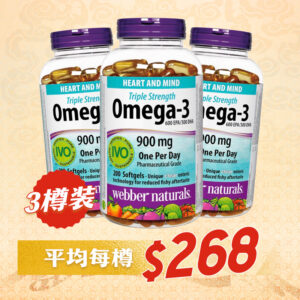
[Average $ 268/1] Vepogen – Triple Strength Omega-3 (900 mg EPA / DHA) 200 Capsules Value Pack x 3 Bottles
Original price was: $990.00.$804.00Current price is: $804.00. Add to basket -
Sale!

Webber Naturals – Omega-3 Mini Fish Oil Capsules 300mg 220 Softgels
Original price was: $198.00.$168.00Current price is: $168.00. Add to basket -
Sale!

Swisse – Ultiboost Odorless High Concentration Wild Fish Oil 1500mg 400 Capsules
Original price was: $298.00.$248.00Current price is: $248.00. Add to basket
Related Post:
![世界心臟日護心飲食場景,香港中年夫婦享用豆漿、豆腐、雞蛋與堅果,旁有心臟及細胞膜卡通示意]()
World Heart Day: Heart Health in Hong Kong Starts with Daily Life | What are the Benefits of Lecithin? Which of Three 1200mg Products to Choose From?
![香港家居餐桌上有人閱讀無品牌補充品標籤,旁邊有蔬菜]()
2024-2025 Gut Health Product Insight Report: How to Choose? First Look at Diet, Then Clarify Five Product Pathways
![| 香港成年人在家閱讀無品牌補充品標籤,桌上有蔬菜與水]()
Hong Kong Liver Health Product Insight Report 2024-2025: Liver-Protecting Formulas Decline, Q10 Increases
![香港成年人在家閱讀與休息,從日常習慣開始理解腦部健康]()
Hong Kong Brain Health Insight Report 2024–2025: Differentiating Fish Oil, Memory Formulas, and Vitamin B12 from 87 Products