































































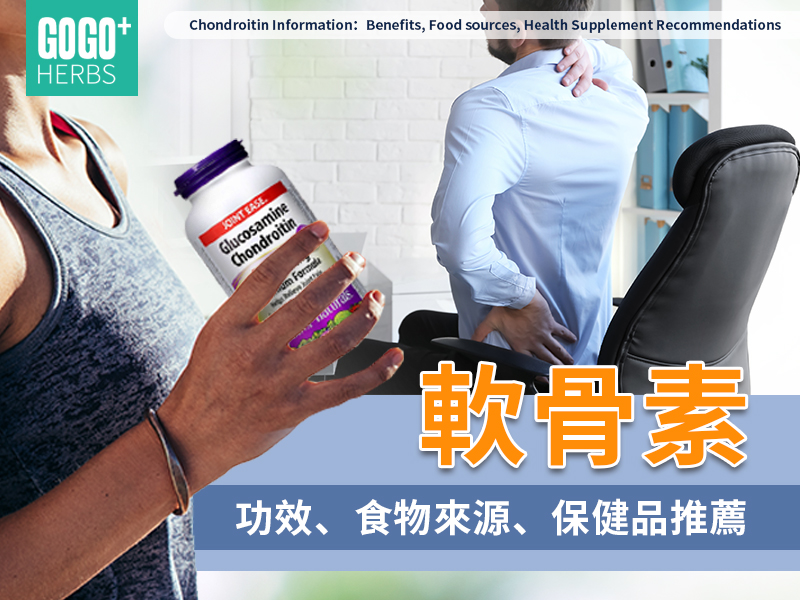
Chondroitin generally refers toChondroitin sulfateChondroitin is a natural glycosaminoglycan (GAG) found in cartilage matrix. Its main function is to retain water and allow cartilage to withstand the pressure of daily activities. Like glucosamine, it is one of the two most common ingredients in joint health supplements and is often formulated together. This article summarizes what chondroitin is, its current research status in joint health, recommended daily dosage and time to effect, food sources, and how to choose a health supplement.
- What is chondroitin?
- The efficacy of chondroitin: What research says
- Who is suitable to supplement with chondroitin?
- How much should I eat each day? How long will it take to feel the effects?
- Food sources of chondroitin
- How to choose chondroitin supplements?
- When should you see a doctor?
- Frequently Asked Questions (FAQ)
- Source of information
1. What is chondroitin?
Chondroitin sulfate is aGlycosaminoglycans (GAGs)Structurally, it consists of alternating N-acetylgalactosamine and glucuronic acid, and contains sulfate groups, thus possessing strong...Water absorption and retention capacity.according to US NIH Center for Complementary and Integrative Health (NCCIH)The description states that chondroitin is...The components of cartilage play a role in its ability to resist stress.It can be understood as a "water-containing sponge" in cartilage, which allows the joint to cushion when under pressure and rebound when it is depressurized.
The human body can produce chondroitin naturally, which is mainly distributed in...Cartilage, ligaments, tendons, skin and blood vessel wallsConnective tissue, etc. Commercially available chondroitin supplements typically come from...Cartilage of cattle, pigs, and poultry(Also derived from marine cartilage such as shark) Extraction and purification.
(1) Name and form
Most commercially available products list it as "chondroitin sulfate," and "chondroitin sulfate salt" is also commonly seen. Purified chondroitin sulfate is...White to pale yellow powderIt is highly hygroscopic, readily soluble in water to form a viscous solution, and insoluble in organic solvents such as ethanol and ether—which is why it is named "mucopolysaccharide".
(2) Division of labor with glucosamine
| project | Chondroitin | glucosamine (C6H13NO5) |
|---|---|---|
| Chemical identity | Glycosaminoglycans (macromolecules) | Amino sugars (small molecules) |
| The role of cartilage | It retains moisture and maintains the cartilage's resistance to pressure and elasticity. | One of the raw materials for proteoglycans and cartilage matrix |
| Common study dose | 800mg TP1T1 daily, 200mg | 1,250 mg TP1T1,500 mg daily (sulfate form) |
| Common combinations | Both are often used in the same formula, and research often focuses on their "combined use" design. | |
2. The efficacy of chondroitin: What research says
(1) Supports articular cartilage and joint comfort
Chondroitin is one of the most researched ingredients in joint health supplements. The Cochrane systematic review (Singh et al., which included 43 randomized controlled trials and 9,110 participants)The compilation:
- 在Short term (within 6 months)In the study, chondroitinUse alone or in combination with glucosamineIn terms of pain relief, it was superior to placebo; calculated using the O–100 pain scale, the chondroitin group showed approximately [a significant improvement] compared to the placebo group. 8 pointsThis is within the range that can be felt clinically.
- Assessing using the Lequesne Index (a comprehensive scale for pain, function, and disability), the chondroitin group also had approximately [missing information]. 2 pointsImprovements.
- 在 X-ray tracing for 2 yearsIn the imaging results, the chondroitin groupThe degree of joint space narrowing was approximately 0.18 mm less than that in the placebo group.In this direction, it helps to slow down structural changes.
- In terms of safety, the risk of serious adverse events in the chondroitin group was not higher than that in the control group, and the overall tolerability was good—which is why the Cochrane authors considered chondroitin to be a safe and effective treatment for patients with osteoarthritis.The balance between effectiveness and risk is relatively reasonable.The reason for the health care options.
In addition, several large randomized studies on the knee joint have accumulated positive results, such as those lasting 2 years. Kahan et al. (2009, 622 people)Studies have observed the effects of daily chondroitin sulfate (800 mg) on symptoms and joint space;MOVES Cross-border ResearchThe results showed that the combination of glucosamine and chondroitin was comparable to the nonsteroidal anti-inflammatory drug celecoxib in reducing knee pain, stiffness and swelling, without the latter's gastrointestinal and cardiovascular side effects. The authors believe that this is a worthwhile alternative for people who are not suitable for nonsteroidal anti-inflammatory drugs.
(2) How to interpret chondroitin according to professional guidance
The guidelines vary across different regions, but the assessments from Europe are noticeably more positive:
- From the European perspective:依 A clinical review of chondroitin in "Osteoarthritis and Cartilage"The European League Against Rheumatism (EULAR) had already included knee osteoarthritis in its recommendations as early as 2003.Oral chondroitin sulfate is listed as the Level 1 option with the highest level of evidence and strength of recommendation.Further recommendations from the European Society for Clinical Economics of Osteoporosis and Osteoarthritis (ESCEO) go a step further.Pharmaceutical-grade chondroitin sulfate is listed as a priority option for the early stages of knee osteoarthritis.It was emphasized that chondroitin sulfate should be distinguished from general food-grade products. In many European countries, chondroitin sulfate itself is classified as a food-grade product.Prescription joint medication。
- From the US perspective:Their orientation is rather conservative. Arthritis Foundation (USA)The compilation of guidelines from the American College of Rheumatology and the Arthritis Foundation in 2019 provides guidance on...Chondroitin for hand osteoarthritisGiveConditional Recommendation(You can consider trying it); the 2021 American Academy of Orthopaedic Surgeons (AAOS) guidelines for knee osteoarthritis also list chondroitin as a treatment option.Supplements that may help reduce pain and improve function。
in other words,Most professional opinions currently point to the same key point: the effectiveness of chondroitin is highly correlated with "product specifications".Studies using pharmaceutical-grade, high-purity chondroitin sulfate generally yielded consistent results; however, subsequent analysis of studies that failed to reproduce the effects often revealed issues related to formulation quality or insufficient actual content.
(3) Other uses that have been studied
The uses of chondroitin outside of joints are partly classified as...FormulationThese are not oral supplements, and the two should not be confused:
- ophthalmology:Chondroitin sulfate is used in ophthalmology as...Eye drops or surgical protective solutionIts use in forms (such as protecting intraocular tissues during cataract surgery) belongs toMedical preparationsIt must be used by medical staff.Oral chondroitin supplements do not have the function of maintaining corneal transparency.These are not the same thing.
- Cardiovascular:Because chondroitin's structure is somewhat similar to that of the anticoagulant heparin, early studies explored its role in the cardiovascular system, but... Summary of chondroitin research from EBSCOThe relevant evidence is still preliminary and needs to be accumulated. In practice, more attention needs to be paid to it.Interactions with anticoagulants(See Section 3).
3. Who is suitable to supplement with chondroitin?
Chondroitin is suitable for groups that include it in their daily joint maintenance routine, typically including:
- For those with joint wear and tear and high activity levels:People who are middle-aged or older, who stand or walk for long periods of time, who frequently go hiking or running, or who have had joint injuries.
- For those who wish to take good care of their joints on a daily basis:Chondroitin is considered an adjunct to diet, exercise, and weight management.
- For those who have already discussed with their doctor and wish to try the joint health formula:This is especially true for people who are less suitable for long-term use of nonsteroidal anti-inflammatory drugs.
- Those currently taking anticoagulants or antiplatelet drugs (such as warfarin):NCCIH and multiple drug databases indicate that glucosamine and chondroitin...Associated with an increased risk of bleeding in people taking warfarinBecause chondroitin has a structure similar to heparin, it may theoretically enhance anticoagulant effects.It is not recommended to take it with anticoagulants without consulting a doctor.If a doctor determines that its use is necessary, it should be used in conjunction with coagulation index monitoring.
- Asthma patients:Both the drug database and the French food safety agency ANSES have warned that chondroitin...It may worsen asthma symptoms.Those with this medical history should be cautious and consult a doctor first.
- Pregnant women, breastfeeding mothers, and children:There is currently a lack of sufficient security data.It is recommended to avoid taking it.。
- People with diabetes or high blood sugar:Glucosamine and chondroitin may affect blood sugar levels, and ANSES lists this group as those who should avoid taking them without medical advice. If you are currently taking blood sugar-lowering medication, please consult your doctor first.
- For those allergic to crustaceans (shrimp, crab) or insects:This item is mainly related toglucosamine (C6H13NO5)Regarding the ingredients—most of them come from shrimp and crab shells; chondroitin comes from the cartilage of cattle, pigs, etc. Please pay attention to the source labeling when purchasing compound products.
- Those who need to restrict their intake of sodium, potassium, or calcium:Some chondroitin and glucosamine products are sources of these minerals themselves, and ANSES reminds those who need to restrict sodium, potassium, and calcium intake to take note.
- Patients with hemorrhagic diseases:Theoretically, this may increase the risk of bleeding and should be assessed by a doctor.
In addition, some databases have reminded users that there were previously...Prostate cancerIndividuals with a medical history or at high risk should avoid self-medicating with chondroitin (this association has not been proven with chondroitin sulfate supplements, but it is recommended to consult a doctor first as a precaution); other studies have observed that glucosamine and chondroitin may cause...intraocular pressureIf the condition worsens, it is recommended that glaucoma patients be monitored by a doctor.
4. How much should I eat each day? How long will it take to feel the effects?
- Common study doses:Chondroitin sulfate daily 800–1,200 mgIt can be taken in divided doses or all at once. This is consistent with the recommended dosage in Europe when it is a prescription drug.
- Taking it in divided doses is more common:Some products are designed as "400 mg per tablet, 3 times a day", while others are formulated as "1,000 mg once a day". Both of these formulations have been used in research.
- Combined with glucosamine:Chondroitin and glucosamine are often combined in the same formula. Studies show that when used together, they consistently deliver positive results in improving pain and joint function, making them suitable for those who want to address joint maintenance issues all at once.
- Give your body time:Chondroitin is a "slow-acting" joint care ingredient, not an immediate pain reliever. Depending on the product and guidelines, it usually requires...Continue taking it for at least 4 to 8 weeks.You'll notice the difference more readily; continuous maintenance for several months is a common practice. Conversely, the effects won't disappear immediately after discontinuing use; there will be a period of diminishing returns.
- Take with meals:It is generally recommended to take it with meals to minimize the risk of gastrointestinal discomfort. Some product labels may suggest this.Avoid taking it before bedtimePlease refer to the instructions on the bottle you have.
5. Food sources of chondroitin
Chondroitin in natural foodsIt exists only in animal cartilage and connective tissue—Chondroitin itself comes from animal cartilage, ligaments, and tendons. Common sources include:
| Food categories | example | illustrate |
|---|---|---|
| Meat cuts with cartilage | Pork ribs and cartilage, chicken cartilage, chicken feet, beef tendon, oxtail, pig ears | The content is relatively high when directly ingesting cartilage tissue. |
| Simmered bone broth and soups | Beef bone soup, chicken soup, fish bone soup | Prolonged simmering will cause some chondroitin to dissolve into the soup. |
| Seafood with bones or cartilage | Dried small fish, fish heads and bones, shellfish | Cartilaginous fish (such as sharks) have a high cartilage content. |
In addition, there needs to be a realistic expectation:The amount of chondroitin in the diet is far lower than the commonly used dosage in supplements.The recommended dosage for research and products is 800 mg/day (TP1T1, 200 mg). However, even with a diet that regularly includes cartilage, it's difficult to consistently achieve this level, and absorption rates vary depending on the source and cooking method. Therefore, in practice...Diet provides overall nutrition (protein, vitamin C, calcium, and vitamin D), while chondroitin is usually obtained through supplements.This is why most research and product design are conducted as supplementary processes.
6. How to choose chondroitin supplements?
Since the efficacy of chondroitin is highly correlated with the quality of the formulation, it is recommended to pay attention to the following points when purchasing:
- When assessing chondroitin sulfate content, don't just look at the total weight:The label should clearly state how many milligrams of chondroitin sulfate each tablet contains, rather than using vague terms like "chondroitin complex".
- Check if the source is indicated:Commonly found in beef cartilage, but also in pork, poultry, or marine cartilage (such as shark). Those allergic to crustaceans should also be aware of the source of glucosamine in the same formula (often from shrimp or crab shells).
- Check if there is third-party inspection or certification:There have been instances where the actual content of chondroitin in some products was lower than the labeled content. Choosing a brand with an inspection report and a registration number (such as the NPN in Canada) is more reliable.
- Check if it is combined with glucosamine and MSM:Compound supplements are the mainstream in the market, and you can choose according to your needs; if you only want to supplement chondroitin, there are also single-ingredient products.
- Check if the recommended daily dosage meets the study dose:Calculate "content per capsule × number of capsules per day" to confirm whether the daily chondroitin sulfate intake is around 800–1,200 mg.
- Check if the warning labels are complete:Qualified joint health products should indicate precautions for pregnant and breastfeeding women, children, users of anticoagulants, and those with allergies.

7. When should I see a doctor?
Joint health supplements are part of daily maintenance, but if you experience any of the following situations, please do not rely solely on supplements and seek medical attention as soon as possible:
- jointPersistent swelling, fever, and rednessIt may be accompanied by fever.
- painsudden worseningThe pain persists even during rest and at night.
- jointActivities are clearly restrictedInability to walk or bear weight normally, or joint appearance begins to deform.
- The joint pain persisted for a long time after the injury.
- Symptoms persist even after continuous use for a period of timeNo improvement or continued deterioration。
依 UK NHS The core of osteoarthritis treatment is...Regular exercise (at least 150 minutes of moderate-intensity activity per week, plus at least 2 days of strength training per week), weight management, and appropriate footwear and protective gear.Pain medication and physical therapy may be necessary in conjunction with these measures; supplements can be an adjunct, but cannot replace them. If symptoms persist, a doctor should be consulted for a definitive diagnosis.
8. Frequently Asked Questions (FAQ)
Q1. What is the difference between chondroitin and glucosamine? Which one should I choose?
Both are natural components of cartilage, but they play different roles: glucosamine is more focused on providing the cartilage matrix.Raw material compositionChondroitin is responsible forIt retains moisture and maintains the cartilage's resistance to pressure and elasticity.Studies show that using both together has a consistent positive signal in improving pain and function, so most commercially available products are in combination form, which is also the most common choice; if you want to adjust the dosage for a single ingredient, there are also single-ingredient products available.
Q2. How long does it take to feel a difference after taking chondroitin?
Chondroitin is a slow-acting joint care ingredient, not an immediate pain reliever. Depending on the product and guidelines, it usually requires...Continue taking it for at least 4 to 8 weeks.You'll be able to feel the difference more clearly when you start, and continuous maintenance for several months is a common practice. It's recommended to record your joint condition before starting, and then compare your results; this will be more objective than relying solely on your feelings.
Q3. Can chondroitin be taken with glucosamine and MSM?
Yes, this is precisely the design direction of mainstream formulations on the market. Many studies have been designed to combine glucosamine and chondroitin, and the MOVES study also showed positive results in joint comfort. MSM is often added as a third ingredient. If you are taking other medications or have a chronic condition, please consult your doctor or pharmacist before starting any combination product.
Q4. I am currently taking anticoagulants (such as warfarin). Can I take chondroitin?
It is not recommended to take it on your own.NCCIH and multiple drug databases have indicated that glucosamine and chondroitin are associated with differences in patients taking warfarin.Increased risk of bleedingRegarding chondroitin—its structure is similar to heparin, which theoretically may enhance its anticoagulant effect, potentially causing bruising or bleeding. If a doctor deems it suitable, coagulation index monitoring should be performed. Similarly, those taking other antiplatelet drugs or with pre-existing bleeding disorders should consult a doctor first.
Q5. Can vegetarians take chondroitin?
It is generally not recommended. Chondroitin only exists in nature...Animal cartilage and connective tissueAlmost all commercially available chondroitin supplements are derived from cow, pig, poultry, or marine cartilage. While some are produced through microbial fermentation, these are less common. Vegetarians should carefully check the ingredients and source labeling before purchasing. To support joint health with a plant-based diet, focus on a balanced diet rich in protein, vitamin C, Omega-3 (such as flaxseed and algal oil), and a variety of colorful fruits and vegetables.
Q6. How many milligrams of chondroitin should I take?
Commonly studied dosage is chondroitin sulfate.800mg TP1T1 daily, 200mgIt can be taken in divided doses or all at once. When purchasing, it is recommended to calculate "content per capsule × recommended daily number of capsules" to confirm whether the total daily dose falls within this range; if the recommended dosage of the product is significantly lower than this, it may be more suitable as a basic daily maintenance product rather than the dosage used in the study.
Q7. Are there any side effects from taking chondroitin?
Chondroitin is generally well tolerated, and the risk of serious adverse events was not higher in large studies than in the control group. A small number of people may experience mild gastrointestinal discomfort, such as stomach pain, bloating, diarrhea or constipation, headache, etc., which are usually mild and transient. Two other points are worth noting: some chondroitin products have been found to contain...High manganese contentThose who take this medication long-term should choose brands with inspection labels. If you experience a rash, difficulty breathing, or worsening discomfort after taking it, please discontinue use and seek medical attention as soon as possible.
9. Sources of information
- NIH NCCIH — Glucosamine and Chondroitin for Osteoarthritis: What You Need to Know(The role of chondroitin in cartilage anti-stress, discrepancies between research findings and guidelines, bleeding risk associated with warfarin, and insufficient data on its safety during pregnancy and breastfeeding)
- Cochrane Library — Chondroitin for osteoarthritis (Singh et al., 43 randomized controlled trials, 9,110 participants)(Short-term pain improvement, Lequesne index, joint space narrowing, risk of adverse events)
- NHS — Osteoarthritis(Symptoms, causes, diagnosis and treatment principles of osteoarthritis: exercise, weight management, protective gear, physical therapy)
- Arthritis Foundation — Glucosamine, Chondroitin for Osteoarthritis Pain(GAIT trial results, 2019 ACR/Arthritis Foundation conditional recommendations for hand osteoarthritis, and precautions regarding warfarin and blood sugar)
- Osteoarthritis and Cartilage — Clinical review of chondroitin sulfate in osteoarthritis (Uebelhart, 2008)(EULAR 2003 recommendations, comparison of 800 mg and 1,200 mg dosages, continuous vs. intermittent use)
- Advances in Therapy — Comparative Analyses of Pharmaceuticals or Food Supplements Containing Chondroitin Sulfate (2019)(Differences in specifications and bioactivity between pharmaceutical grade and food supplements; ESCEO's recommendations for knee osteoarthritis)
- ANSES (French Agency for Food Safety, Environment and Occupational Health) — Certain food supplements for joint pain should be avoided by at-risk populations.(Groups who should avoid self-medicating with chondroitin and glucosamine include: people with diabetes, asthma, those taking vitamin K antagonists, pregnant women, breastfeeding mothers, and children.)
- RxList — Chondroitin Sulfate (Supplement Column)(Oral dosage 800 mg, TP1, T2,000 mg, precautions for asthma and coagulation disorders, interactions with warfarin, and warnings about high manganese content in some products)
- Medscape — Chondroitin Sulfate (Herb/Supplement)(Suggested dosage, warnings for asthma and coagulation disorders, and information regarding potential additive anticoagulant effects with fish oil and vitamin E)
- EBSCO Research Starters — Chondroitin as a therapeutic supplement(The use of chondroitin in ophthalmic preparations and surgery, the current status of evidence for other investigated uses, and an investigation into discrepancies in product content labeling)
- Webber Naturals — Glucosamine Chondroitin 500/400 mg Caplets (Official Product Label)(Each tablet contains 500 mg of glucosamine sulfate and 400 mg of chondroitin sulfate; source and recommended usage)
- Costco — Kirkland Signature Glucosamine, Chondroitin & MSM 500/400/400 mg, 300 Tablets (Official Product Label)(The recommended dosage of each of the three ingredients in each capsule, taken 3 times daily with meals)
Health Disclaimer: This article is for nutritional and health information purposes only and does not constitute any diagnostic, treatment, prescription, or medical advice, nor should it replace professional medical advice. The products mentioned are daily health supplements, not medicines, and are not intended to diagnose, treat, or prevent any disease. Everyone's physical condition is different; please consult a doctor, pharmacist, or registered dietitian before using any supplements, adjusting dosages, or combining them with medications. If persistent or acute symptoms occur, please seek medical attention as soon as possible. Product ingredients, content, and recommended dosage are subject to the information on the actual product page and packaging.
Related Products:
-
Sale!
![【門市低至$238】維柏健 - 健骨至尊 葡萄糖胺軟骨素膠囊 (500/400毫克) + D3 [特強配方] 300粒](https://gogoherbs.com/wp-content/uploads/2019/10/Glucosamine-3-1-300x300.png)
[Price as low as $238 in stores] Vepogen – Bone Strengthening Supreme Glucosamine Chondroitin Capsules (500/400 mg) + D3 [Extra Strong Formula] 300 capsules
Original price was: $298.00.$260.00Current price is: $260.00. Add to basket -
Sale!
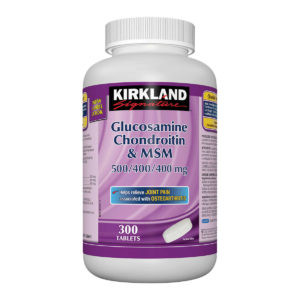
Kirkland Signature – Glucosamine & Chondroitin & MSM 500/400/400mg 300 Capsules
Original price was: $330.00.$258.00Current price is: $258.00. Add to basket -
Sale!
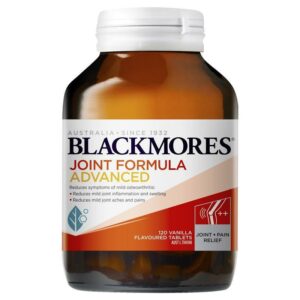
BLACKMORES – Joint Care Formula 120 capsules
Original price was: $258.00.$208.00Current price is: $208.00. Add to basket -
Sale!
![【平均$255/1】【門市低至$238】維柏健 - 健骨至尊 葡萄糖胺軟骨素膠囊 (500/400毫克) + D3 [特強配方] 300粒 x 3樽](https://gogoherbs.com/wp-content/uploads/2023/09/圖片_20260205165446_1856_1-300x300.jpg)
[Average $ 255/1] [Local price as low as $ 238] Vepogen – Bone Strengthening Supreme Glucosamine Chondroitin Capsules (500/400 mg) + D3 [Extra Strong Formula] 300 capsules x 3 bottles
Original price was: $894.00.$765.00Current price is: $765.00. Add to basket
Related Post:
![母親用滴管把少量植物藻油滴在食物匙上,幼兒坐在餐桌旁]()
A Complete Guide to Plant-Based Algae Oil Omega-3: Odorless, Vegetarian, and Suitable Omega-3 Choices for Pregnant Women and Infants
![牛樟芝子實體與膠囊製品示意]()
What is Antrodia camphorata? A complete guide to its ingredients, research evidence, and precautions for consumption.
![世界心臟日護心飲食場景,香港中年夫婦享用豆漿、豆腐、雞蛋與堅果,旁有心臟及細胞膜卡通示意]()
World Heart Day: Heart Health in Hong Kong Starts with Daily Life | What are the Benefits of Lecithin? Which of Three 1200mg Products to Choose From?
![香港成年人在家閱讀與休息,從日常習慣開始理解腦部健康]()
魚油、迷你膠囊還是B12?腦部健康熱銷8款的配方與日常選擇