





























































The immune system acts like the body's defense system, helping us resist invading bacteria, viruses, and other foreign invaders. To maintain a healthy immune system, in addition to supplements, daily life...Nutrition, exercise, sleep and stress managementEqually important. Gogo Herbs has compiled the definition of immunity, the difference between innate and acquired immunity, factors that affect immunity, and 5 ways to improve immunity by starting with lifestyle habits.
Table of contents
- What is immunity?
- Nature and nurture: Two sources of immunity
- Factors affecting immunity
- 5 ways to boost immunity through lifestyle habits
- The correct concept about "boosting immunity"
- When should you consult a doctor?
- Gogo Herbs Immunity Product Recommendation
- Frequently Asked Questions (FAQ)
- Source of information
1. What is immunity?
Immunity refers to the body's ability to fight disease. MedlinePlus (USA)The immune system is a complex network of cells, tissues, and organs that work together to help the body fight infections and other diseases. When pathogens such as bacteria and viruses invade, the immune system identifies and attacks these "antigens," a process called immunodeficiency response (IR).Immune responseAt the same time, the body produces antibodies and "remembers" the antigen, so it can react more quickly when it encounters it again in the future. This protective power is called immunity.
The immune system consists of the skin (which blocks pathogens from entering), mucous membranes (which capture and fight pathogens), white blood cells, and organs and tissues of the lymphatic system (such as the thymus, spleen, tonsils, lymph nodes, and bone marrow).
2. Nature and Nurture: Two Sources of Immunity
| type | illustrate | example |
|---|---|---|
| Innate immunity | This defense system is present from birth; it is non-specific and constitutes the body's first line of defense. | Barriers such as skin and mucous membranes, as well as some cells and chemicals that can attack foreign substances. |
| Acquired immunity(Also known as adaptive/active immunity) | Acquired immunity, acquired through infection or vaccination, is usually long-lasting and can protect against certain diseases for life. | Protection from vaccination or previous infection with a certain disease |
As we know from the mechanism of "acquired immunity," the principle of vaccines is to allow the immune system to "recognize" the pathogen in advance, thereby preparing for actual infection. In addition, newborns acquire antibodies through their mothers, which is a form of "passive immunity," providing immediate protection but only lasting for a few weeks to a few months.
A higher level of immunity is not necessarily better.
The immune system needs to be maintained atbalanceA state that is too low or imbalanced can cause problems. (According to MedlinePlus)
- Low immunity:They may be more susceptible to illness, more frequent or more severe infections, such as immunodeficiency diseases.
- Immune system disorders:When an immune response is initiated even when there is no real threat, it may lead to...Allergies, asthmaIf the immune system mistakenly attacks its own healthy cells as enemies, then it is considered...Autoimmune diseases。
3. Factors affecting immunity
Many factors influence immune function, which can be broadly categorized into two types:
(1) Factors that weaken the immune system
- As age increases:As people age, their immune response gradually declines, making them more susceptible to infections and more prone to serious consequences (according to...). Harvard Health)。
- Excessive long-term stress:Being under high pressure for a long time may affect the normal functioning of immune cells.
- Smoking and drinking:Both tobacco and alcohol have adverse effects on the immune system.
- Insufficient sleep:Insufficient sleep is associated with increased susceptibility to illness and more chronic problems (according to...). US CDC)。
- Malnutrition/Inadequate nutrition:The immune system needs sufficient nutrients to function properly; long-term malnutrition can impair immune function (according to Harvard Health).
(2) Immune system disorders
- When the immune system is oversensitive, it may cause...Allergies, asthmaAnd other reactions;
- If a cell cannot be correctly identified and mistakenly attacks normal tissue, it may lead to...Autoimmune diseases。
In other words, the key to immune health is not simply "blindly boosting" it, but rather...To maintain the normal and balanced functioning of the immune system.。
4.5 ways to boost immunity through lifestyle habits
依 Harvard Health "How to boost your immune system"Maintaining a healthy lifestyle is the most practical way to support the immune system, and it also comes with other health benefits. The following five areas are worth starting with in your daily life:
(1) Balanced nutrition
Many vitamins, minerals, and proteins in food are related to the normal functioning of the immune system. According to Harvard Health, studies have shown that deficiencies in nutrients such as zinc, selenium, iron, copper, folic acid, and vitamins A, B6, C, and E can affect cellular immune responses. Therefore, a diet rich in these nutrients is recommended.Balanced dietBased on: Eat more fruits, vegetables, whole grains, and legumes to obtain a variety of nutrients. WHO Healthy Eating RecommendationsAdults should consume at least 400 grams of fruits and vegetables daily.
(2) Reduce smoking and drinking
- Quit smoking:Smoking consists of a variety of chemicals that damage lung cells and interfere with the function of immune cells. Quitting smoking has positive benefits for overall health, including immunity and cardiovascular health. UK NHS)。
- Limit alcohol:Alcohol can affect liver and pancreatic function and may disrupt immune cell function. According to the NHS, adults should not regularly consume more than 14 units of alcohol per week and should abstain from alcohol for several days.
(3) Sufficient sleep
Sleep is a crucial period for the body to rest and repair. US CDCAdults (18–60 years old) should consume this product every night.Sleep for 7 hours or moreSufficient and quality sleep helps reduce illness and is closely related to heart and metabolic health. Maintaining good sleep habits (regular sleep schedule, reducing screen time and alcohol consumption before bed) is more important than simply looking at sleep duration.
(4) Avoid stress
Appropriate stress can boost performance, but excessive stress over a long period can suppress immune function. Learning to reduce stress—such as through regular exercise, mindfulness, talking with family and friends, and scheduling rest time—helps maintain a stable physical, mental, and immune system.
(5) Exercise more
Regular exercise is a vital pillar of a healthy life: it improves cardiovascular health, lowers blood pressure, helps control weight, and relieves stress, thus positively contributing to a healthy immune system (according to Harvard Health). US CDCAdults should engage in at least 150 minutes of moderate-intensity aerobic exercise per week, and strength training twice a week. It is important to note that exercise should be...Regular and appropriateIt is advisable to avoid overly strenuous training, as it may temporarily negatively impact physical condition.
5. Correct understanding of "boosting immunity"
6. When should you consult a doctor?
Health supplements are considered daily nutritional aids.It cannot replace a doctor's diagnosis and treatmentPlease consult a doctor or pharmacist first in the following situations:
- Frequent recurrent infections, prolonged or severe infections (may be related to immune function; you should consult a doctor to find the cause first).
- Those with autoimmune diseases, allergies, or currently undergoing immune-related treatment;
- Currently taking prescription medications (some supplements may interact with medications);
- Infants, the elderly, pregnant women, or breastfeeding mothers;
- Do not experience any discomfort after taking the supplement.
7. Gogo Herbs Immunity Product Recommendation
The following are Gogo Herbs' selection of immunity-related products. Health supplements belong to...Daily nutritional supplementsIt cannot replace a balanced diet and a healthy lifestyle, nor should it be used to treat or prevent diseases; when purchasing, pay attention to the ingredients, dosage and applicable age.
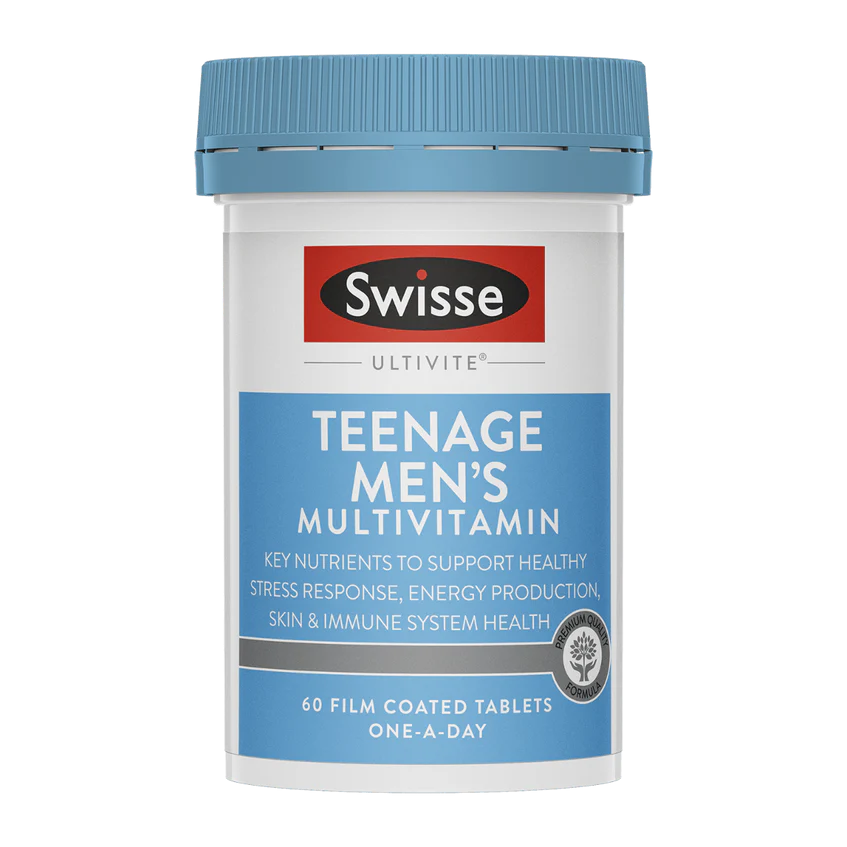
Swisse – Teen Boy Multivitamin 60 Tablets
- Six nutrients: vitamins, minerals, antioxidants, and herbal extracts, etc.
- Supplementing the nutritional deficiencies in teenagers' daily diet can help with their development.
- Promote immune system health
- Stabilizes skin and improves oiliness and acne.
Jamieson – Vitamin C + Zinc Chewable Tablets 600 mg Orange Flavor Extra Strength Pack 340 Tablets
- Rich in Vitamin C, boosts immunity
- It helps the body metabolize fats and proteins, and aids in the growth of bones, cartilage, teeth, and gums.
- Promotes healthy bones, skin, hair, nails, and dermal growth.

8. Frequently Asked Questions (FAQ)
What is immunity?
Immunity is the body's ability to fight disease. The immune system, composed of cells, tissues, and organs, can recognize and attack foreign substances (antigens) such as bacteria and viruses, and "remember" them afterward so that it can react more quickly when encountered again. Related components include the skin, mucous membranes, white blood cells, and the lymphatic system.
What is the difference between innate immunity and acquired immunity?
Innate immunity is a defense mechanism present from birth, and it is non-specific, such as that of the skin and mucous membranes. Acquired immunity (also known as adaptive immunity) is developed later in life through infection or vaccination, and it is usually more durable, providing lifelong protection against certain diseases. The principle behind vaccines is to allow the immune system to "recognize" pathogens in advance.
Is a higher level of immunity always better?
Not necessarily. The immune system needs to maintain a balance. An immune response triggered when there is no real threat may lead to allergies or asthma; if the immune system mistakenly attacks its own healthy cells, it is an autoimmune disease. Therefore, the focus is on maintaining normal, balanced immune function, rather than simply "boosting" it.
How much sleep do you need each day?
According to the US CDC, adults (aged 60 and up) should sleep 7 hours or more per night; those aged 64 and up should sleep 7 hours or up; and those aged 65 and up should sleep 7 hours or up. Sufficient and quality sleep helps reduce illness and is associated with heart and metabolic health.
Can exercise boost immunity?
Regular exercise can improve cardiovascular health, lower blood pressure, help control weight, and relieve stress, and it also has a positive effect on maintaining a healthy immune system. According to the CDC, adults should engage in at least 150 minutes of moderate-intensity aerobic exercise per week and strength training two days a week. Exercise should be regular and moderate; excessively strenuous training may have a temporary negative impact on physical condition.
Can taking health supplements boost immunity?
Health supplements are considered daily nutritional aids and can be used to supplement the diet of individuals with dietary restrictions or specific needs.It cannot replace a balanced diet and a healthy lifestyle, nor should it be used to treat or prevent disease.The most practical ways to maintain immune health are a balanced diet, regular exercise, sufficient sleep, quitting smoking and limiting alcohol consumption, and reducing stress. If you are currently taking medication or are an infant, young child, elderly person, or pregnant woman, please consult your doctor before taking any medication.
9. Sources of information
- MedlinePlus (USA) — Immune System and Disorders (Composition of the Immune System, Innate/Acquired Immunity, Allergies and Autoimmunity)
- Harvard Health, a medical school in the United States — How to boost your immune system (healthy living strategies, nutrition and immunity, immune system and age)
- U.S. Centers for Disease Control and Prevention (CDC) — About Sleep (Recommended Sleep Hours and Health Benefits for Different Age Groups)
- U.S. Centers for Disease Control and Prevention (CDC) — Adult Activity: An Overview (Weekly Exercise Recommendations for Adults)
- The Office of Dietary Supplements (ODS) of the US National Institutes of Health — Vitamin C (Vitamin C's role in immunity and the common cold, recommended intake and upper limit)
- World Health Organization (WHO) — Healthy diet (recommendations for fruits, vegetables, and a balanced diet)
- The UK National Health Service (NHS) — Foods to avoid giving to babies and young children (avoid honey and the risk of botulism in infants under 1 year old)
- The UK National Health Service (NHS) — Quitting smoking (health benefits and support)
Disclaimer: This article is for health information reference only and should not replace a doctor's diagnosis and treatment. Health supplements are for daily nutritional support, not drugs, and should not be used to "treat, cure, or prevent" any disease, nor can they replace a balanced diet, exercise, sleep, and doctor's prescription medications. The immune system needs to be maintained in balance; excessive or blind "boosting" is not necessary. If you frequently experience recurrent infections, have autoimmune diseases or allergies, are taking prescription medications, or are an infant, elderly person, pregnant woman, or breastfeeding mother, please consult a doctor or pharmacist before taking any supplements. Products containing honey are not suitable for infants under 1 year old. Product information (ingredients, content, applicable age, and specifications) is subject to the information displayed on the product page on the day of purchase.
Related Post:
![均衡備餐與體重管理]()
Weight Management Shopping Guide: 8 Selected Probiotics, Apple Cider Vinegar, and Herbal Formulas
![我們的選品標準與定價說明]()
Health supplement selection? Our product selection criteria and pricing guidelines
![從整理日常需要開始,讓選購與休息安排都有方向]()
Choosing between B50 and B100: Starting with the ingredients; Comparison of 8 stress-relief supplements.
![香港家庭在家中準備包含奶類、乳酪及蔬菜的一餐]()
Incorporate bone-strengthening nutrients into your daily routine: Calcium, Vitamin D, and the selection of 8 products.