
































































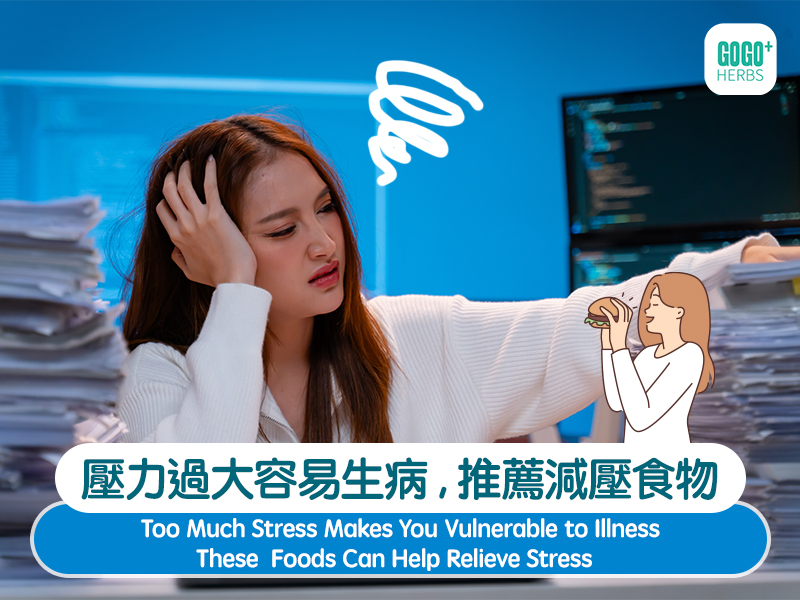
What to eat when stressed? 10 everyday foods and truly effective stress-reduction habits.
Why shouldn't we rely solely on food to cope with stress?
Stress is a common physical and mental response when facing difficulties or threats. Everyone experiences short-term stress; however, long-term, excessive, or unmanageable stress can be accompanied by irritability, difficulty concentrating, headaches, stomach upset, and sleep problems, and can also affect daily life.
Diet is part of self-care, not a single answer. The World Health Organization recommends managing stress through regular routines, sufficient sleep, a balanced diet, physical activity, and connection with others. Putting food back into this holistic framework is practical and avoids treating a cup of tea or a supplement as a cure.
10 Foods You Can Include in Your Daily Diet
The following foods provide protein, dietary fiber, healthy fats, or various micronutrients. The key is to create a diverse and sustainable diet based on personal taste, budget, allergy history, and health needs, rather than forcing yourself to "eat and then relax."
1. Green tea or matcha: Be mindful of theanine and caffeine.
Green tea and matcha contain theanine and caffeine. For some, warm drinks and short tea breaks can be a slow-paced ritual; however, caffeine can also exacerbate palpitations, anxiety, or insomnia. If you already have trouble sleeping or are prone to heart palpitations, reduce your intake and avoid drinking it before bed.
2. Plain cheese: A good choice for protein and dairy products.
Plain cheese provides protein and calcium, and can be enjoyed as a snack with fruit, oats, or nuts. When purchasing, compare added sugars; those with lactose intolerance or dairy allergies can choose suitable lactose-free or plant-based products, and pay attention to the nutrition label.
3. Eggs: A convenient source of high-quality protein
Eggs can be used for breakfast, salads, or meals to help make you feel fuller. Eating them with whole grains, vegetables, and fruits helps establish a regular eating rhythm more effectively than relying solely on a sugary breakfast or just drinking coffee.
4. Pumpkin seeds: Add a small amount to the nuts and seeds in the meal.
Pumpkin seeds contain magnesium, zinc, and unsaturated fats, making them a good addition to cheese, salads, or oatmeal. Due to their high energy density, it's recommended to use only a small handful as a topping; plain or unsalted versions are ideal.
5. Fish: A protein choice in weekly meals
Fish provides protein, and some oily fish also contain omega-3 fatty acids. You can alternate between cooking methods that use less oil, such as steaming, baking, and boiling, and avoid replacing fresh fish with fried fish, heavily seasoned sauces, or processed fish. Those allergic to fish don't need to force themselves; they can obtain protein from legumes, eggs, and lean meat.
6. Dark chocolate: Enjoyable, but not a quick fix for emotional distress.
Cocoa contains various plant compounds; if you prefer dark chocolate, you can enjoy small portions of products with a higher cocoa content as part of your dessert. It still contains calories, and some products also contain sugar and caffeine, so it should not be used to replace meals or as the sole means of coping with negative emotions.
7. Nuts: Plain flavor, in moderation.
Almonds, walnuts, cashews, and peanuts provide unsaturated fats, protein, and fiber. It's advisable to pre-portion them into smaller portions to avoid unconsciously eating a large bag while working; those with nut allergies should avoid them.
8. Milk or fortified plant-based milk: Choose according to individual needs.
Dairy products provide protein and calcium. If choosing plant-based milk, pay attention to whether it has fortified calcium and vitamin D, as well as its sugar content. Drinking a warm beverage before bed may be a relaxing habit for some, but it doesn't mean it can cure insomnia.
9. Chamomile tea: Enjoy it as a caffeine-free evening beverage.
Chamomile tea is caffeine-free, making it suitable for those who want to reduce their evening caffeinated beverage intake. Those allergic to chamomile plants should avoid it; if you are taking medication, pregnant, or breastfeeding, it is best to consult a doctor or pharmacist before choosing any herbal tea or supplement.
10. Cauliflower and other cruciferous vegetables: Add an extra serving of vegetables to your plate.
Cauliflower, cabbage, bok choy, and radishes can increase the proportion of vegetables and fiber in meals. They can be stir-fried, steamed, boiled, or baked; there's no need to pursue special cooking methods to "activate" them, the key is to regularly eat enough and a variety of fruits and vegetables.
5 things more important than "eating the right food"
- Regular meals and adequate hydration:Avoid prolonged fasting followed by consuming sweets, alcohol, or large amounts of caffeine to compensate. Prioritize an easy-to-follow schedule for breakfast, main meals, and snacks.
- Incorporate sleep into your schedule:Maintain a relatively consistent sleep and wake-up time; reduce large meals, alcohol, caffeine, and electronic screen stimulation before bed.
- Move a little every day:Walking, stretching, dancing, or more formal exercise are all good options. It's more important to start with what you can manage within your own timeframe than to set unsustainable plans.
- Reserve a short break:Try breathing exercises, mindfulness, yoga, listening to music, or going for a walk outdoors. Find a small method that you're willing to repeat every day.
- Connecting with people:Talk to someone you trust, family, friends, or professionals about your difficulties. You don't have to bear the pressure alone.
How to evaluate health supplements? First, ask: Does your diet match your needs?
Health supplements cannot replace sleep, diet, exercise, psychological support, or professional medical treatment. If you would like to learn about magnesium-containing nutritional supplement options, please refer to [link/reference]. Vibegin – Magnesium Diglycine 200mg 60 Vegetarian CapsulesThe product page states that each capsule contains 200 mg of magnesium (from magnesium diglycinate and magnesium oxide) and is a vegetarian capsule.
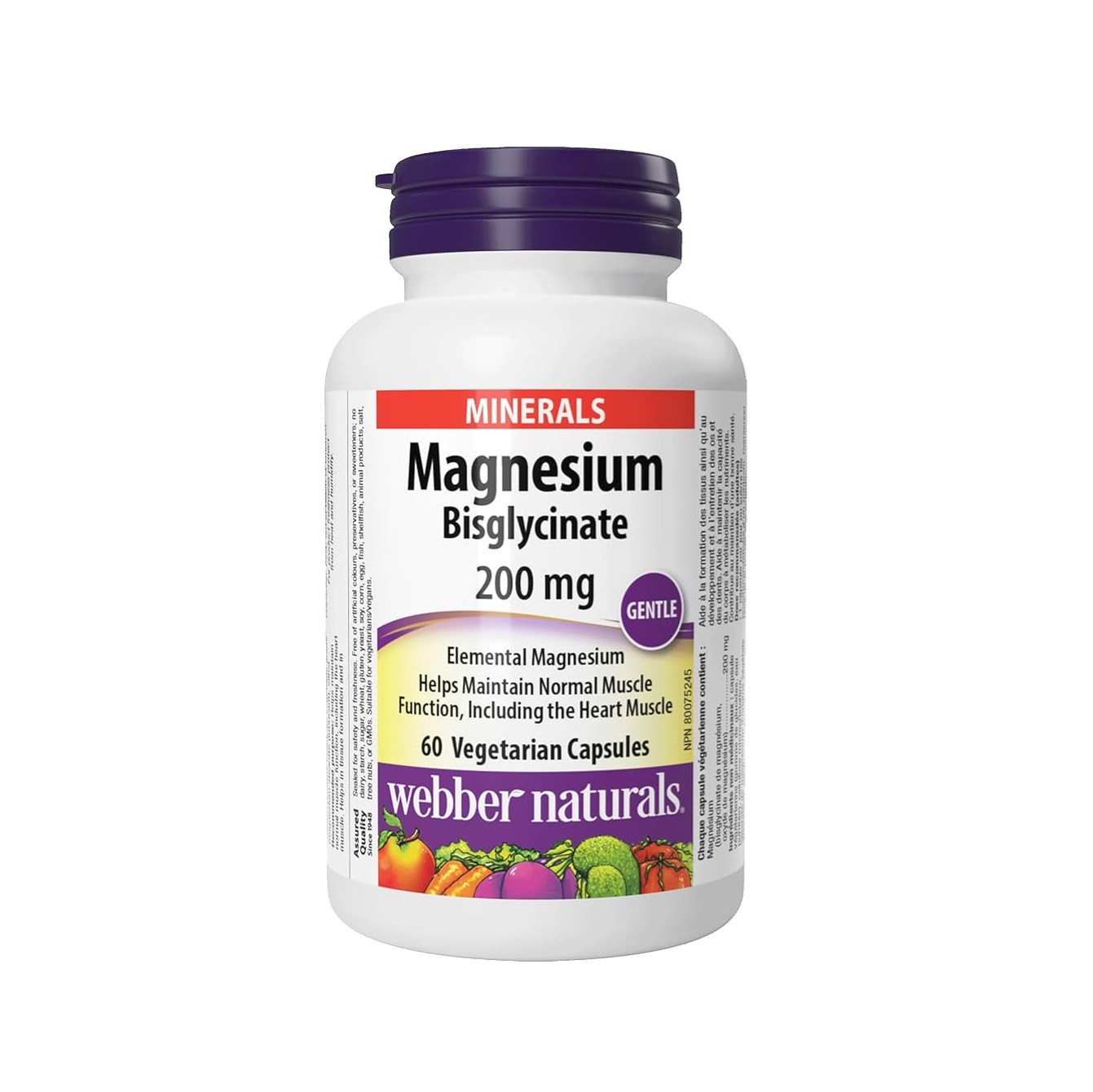
Please note:This product is not intended to diagnose, treat, or prevent stress, anxiety, insomnia, or any disease. Dietary insufficiency does not mean supplementation is necessary; if you have kidney disease, a chronic illness, are taking prescription medications, are pregnant, or are breastfeeding, consult your doctor or pharmacist before starting any supplements and use them as indicated on the product label.
When should you seek help?
If stress persists for weeks, affects your sleep, appetite, work, studies, or relationships, or if you feel overwhelmed, contact a doctor, clinical psychologist, counselor, or other qualified mental health professional. If you experience self-harm, suicidal thoughts, or feel unable to stay safe, contact your local emergency services, crisis hotline, or go to the emergency room immediately.
Frequently Asked Questions
What's the most effective thing to eat when you're under a lot of stress?
No single food can relieve stress the fastest or most effectively. Prioritizing regular, balanced meals and reducing stress-related excessive consumption of caffeine, alcohol, or sugary snacks is more worthwhile.
Can drinking green tea or matcha reduce stress?
Some people enjoy the relaxing feeling of drinking tea, but green tea and matcha contain caffeine. If you are prone to palpitations, anxiety, or insomnia, it may not be suitable for you to drink too much or too late.
Can magnesium supplements treat stress or anxiety?
Magnesium supplements should not be used as a treatment for stress or anxiety. They are just one nutritional supplement option; those with persistent problems, a medical history of stress, or who are currently taking medication should consult a healthcare professional first.
When should you see a doctor if you are under a lot of stress?
When stress is persistent, difficult to cope with, or has significantly affected sleep, appetite, work, study, and interpersonal relationships, it is worthwhile to seek professional evaluation; if there are thoughts of self-harm or suicide, seek help immediately.
Related Products:
-
Sale!
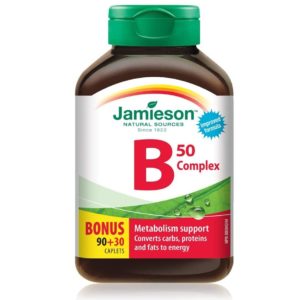
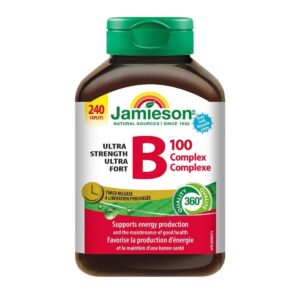
Jamieson – Natural Vitamins B complex 50 120 capsules
Original price was: $168.00.$98.00Current price is: $98.00. Add to basket -
-
Sale!
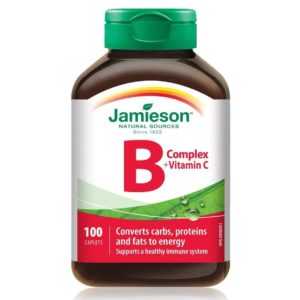
[Clearance Price for Short-Term Stock] Jamieson – Vitamin B Complex & Vitamin C 100 Capsules
Original price was: $140.00.$98.00Current price is: $98.00. Add to basket -
Sale!
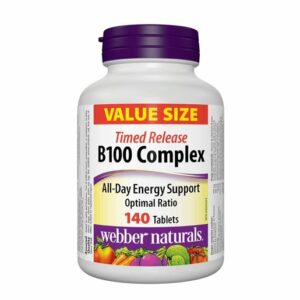
Webber Naturals – Natural Vitamin B100 Long Lasting Formula 140 tablets
Original price was: $198.00.$148.00Current price is: $148.00. Add to basket
Related Post:
![牛樟芝子實體與膠囊製品示意]()
What is Antrodia camphorata? A complete guide to its ingredients, research evidence, and precautions for consumption.
![世界心臟日護心飲食場景,香港中年夫婦享用豆漿、豆腐、雞蛋與堅果,旁有心臟及細胞膜卡通示意]()
World Heart Day: Heart Health in Hong Kong Starts with Daily Life | What are the Benefits of Lecithin? Which of Three 1200mg Products to Choose From?
![香港關節健康洞察報告封面:中年及長者在香港步行]()
How to choose joint health supplements? 8 best-selling formulas and repurchase information help you find the right daily option.
![香港素食保健品洞察報告封面:均衡植物性餐桌與閱讀補充品標籤]()
Vegetarian Health Supplement Buying Guide: 8 Best-Selling Products, From Bacterial Strains and Plant Extracts to Daily Nutrition