























































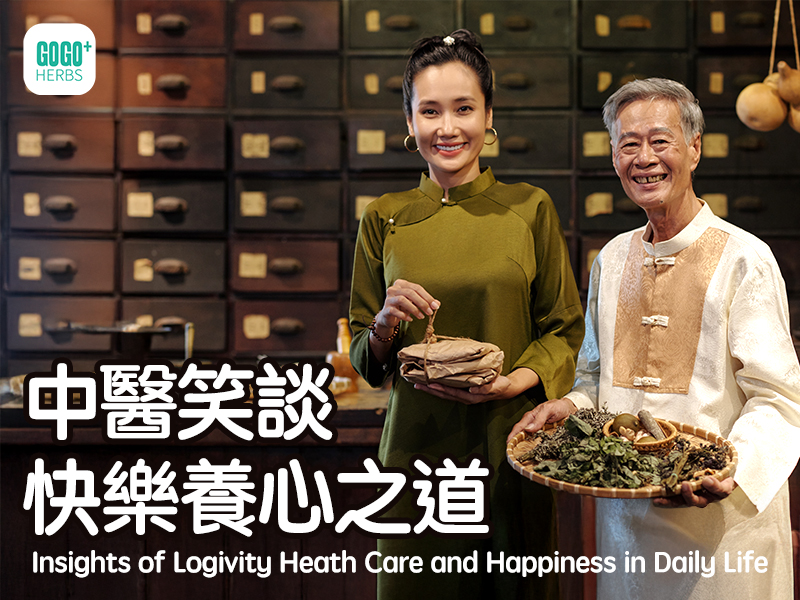
"My uterus hurts," a man said as he walked into the examination room. The doctor was stunned, recalling a scene from a Stephen Chow movie where Lau Yee-tat dressed as a woman to see a gynecologist.
Upon further questioning, it turned out the pain was in the big toe. It was a gout attack.
Another scenario: An elderly woman heard on the radio that "one in three elderly people has a sexually transmitted disease," and she rushed to see a doctor in a panic. The doctor explained that the radio station was talking about chronic diseases such as heart disease and hypertension, not sexually transmitted diseases.
Both jokes are included in "Nourishing the Heart with Joy." The author, Dr. Chai (Li Guangji), is a traditional Chinese medicine practitioner who writes his clinic conversations as humorous anecdotes. The humor lies in the misunderstandings, but these misunderstandings don't happen randomly—the location of gout, its name, and "who gets it" are all easily misunderstood.
It's not just the patients who are wrong. For the same disease, the common treatments are often simplified to a single sentence, such as "gout is simply a matter of clearing heat and removing dampness." This statement is only half right; the other half of the problem usually doesn't become apparent until several months later.
I. Approximately three per 100 people in Hong Kong
The Centre for Health Protection in December 2025Non-communicable Diseases in FocusThe statement is quite direct: In Hong Kong, three out of every hundred people suffer from gout to varying degrees.
This figure didn't appear out of nowhere. A team from the University of Hong Kong tracked 2.74 million people using data from the Hospital Authority. From 2006 to 2016, the crude prevalence of gout rose from 1.56% to 2.92%, and the incidence rate rose from 113.05 per 100,000 people to 211.62. The male-to-female ratio in Asia is approximately 8 to 1.
Another set of figures is even more noteworthy. The same study found that in 2016, only 25.55% of gout patients were prescribed uric acid-lowering drugs; and among those who were taking medication, only 35.8% achieved the target of serum uric acid below 6 mg/dL (approximately 360 μmol/L).
In other words, the gap is not in the drugs themselves, but in the fact that there are too few people using the drugs and even fewer who meet the standards.
Gout doesn't just "go away after the pain stops." The Centre for Health Protection points out that the first attack usually involves only a single joint, most commonly the big toe; even without treatment, the symptoms usually subside gradually within seven to fourteen days. Many people therefore believe that "no pain means no problem"—but urate crystals continue to deposit during the remission period, and repeated attacks can lead to chronic gouty arthritis, tophi, and even permanent joint deformities.
It's quite common for gout patients to also have high blood pressure, high cholesterol, and obesity, so it should be viewed as a metabolic issue, not just an accident involving a toe. For information on how uric acid is formed and dietary precautions, please visit [website address].How to identify high uric acid levels?There is also an introductory guide.
2. Why is "uterine pain" being spoken aloud?
The pain of gout is actually quite specific: the first metatarsophalangeal joint, where the big toe meets the ball of the foot. Other common locations include the ankle, knee, wrist, fingers, and elbow. It usually only involves one joint, and it comes on quickly, with redness, swelling, heat, and pain all appearing at the same time.
Attacks are more frequent at night. Body temperature drops slightly at night, and coupled with prolonged dehydration, urate crystals are more likely to crystallize in the cooler peripheral joints. Zhu Danxi wrote in "Gezhi Yulun: On Gout" that "the pain is severe at night, and it travels to the genitals," which is another way of saying the same thing.
When pain reaches a certain level, it becomes indescribable. Pain in the big toe can travel up the arch of the foot, and when a patient points to their lower abdomen and says, "It hurts here," it's not an exaggeration; they simply know that something is wrong. This is the true essence of that joke: it's not ignorance, but rather the inability to express the pain accurately.
It's also important to distinguish between several closely related conditions: sprains, cellulitis, and pseudogout (calcium pyrophosphate deposition). Sprains require rest, infections require antibiotics, and pseudogout requires different medications. The first attack shouldn't be diagnosed based on déjà vu—testing joint fluid is crucial for differentiation.
III. What Traditional Chinese Medicine calls it: Gout, Bi syndrome, Arthralgia
"Gout" is a term used in Traditional Chinese Medicine (TCM), not a Western medical term. Zhu Danxi, in his *Gezhi Yulun*, wrote a separate treatise on gout, beginning with the statement, "Gout is generally caused by the blood becoming heated and boiling... causing turbidity and stagnation, thus resulting in pain." Another frequently quoted sentence from the same passage is: "Other doctors call it 'White Tiger Joint Pain'."
Thus, the same disease has several names in different literature: gout, arthralgia, arthralgia, and Baihu arthralgia; recent TCM literature also uses the term "turbid stasis arthralgia," emphasizing dampness and stagnation. Arthralgia comes from the "Suwen·Arthralgia Theory" which states, "When wind, cold, and dampness come together, they combine to form arthralgia." Its scope is broader than that of gout, also including pain in other joints and muscles.
Inconsistent naming conventions are not just an academic habit. What you might read about "Traditional Chinese Medicine's explanation of gout" could refer to different ranges, different stages, or even different eras. When you see a statement, first ask whether it refers to the acute phase or the remission phase.
IV. Medication is determined only after the stages are determined.
In Traditional Chinese Medicine (TCM) treatment of gout, the first step is not choosing medication, but rather staged diagnosis and syndrome differentiation. Publicly available TCM treatment guidelines divide gout into acute attack phases, intercritical periods, and chronic tophi stages, with each phase further subdivided into syndrome types. The staging and treatment methods are compiled from [source missing].Traditional Chinese Medicine (TCM) Advantageous Disease Diagnosis and Treatment Plans Published by Health Administration DepartmentThis is not something that any particular clinic has created.
| 期 | Common types of certificates | Joint and systemic manifestations | Treatment direction |
|---|---|---|---|
| Acute attack period | Damp-heat accumulation | Joints are red, swollen, hot, and painful; burning sensation upon touch; dry mouth and bitter taste; red tongue with a yellow, greasy coating. | Clears heat and dampness, unblocks meridians and relieves pain |
| Acute attack period | Cold-dampness obstruction | The painful area is not very red or hot, it is relieved by warmth, and the pain is localized. | Warming the meridians and dispelling cold, removing dampness and unblocking the collaterals |
| Interval | Spleen deficiency and dampness obstruction | There may be no symptoms, or symptoms may include fatigue, abdominal distension, poor appetite, and sticky stools. | Strengthen the spleen and eliminate dampness |
| Chronic gouty tophi | Phlegm and blood stasis | Gouty tophi, joint deformities, and fixed stabbing pain | Resolves phlegm, removes blood stasis, unblocks meridians and dissipates nodules |
| Chronic gouty tophi | Spleen and Kidney Deficiency | Recurrent attacks, lower back and knee pain, fatigue | Strengthen the spleen and kidneys |
This chart refutes two popular claims: "Gout is caused by damp heat" and "Gout is caused by kidney deficiency." The same person can go through several sections of this chart at different times, and their medication may change accordingly.
There's another point worth noting: Zhu Danxi, in his "Treatise on Gout," proposed using "pungent and hot remedies to dispel cold and dampness and open the pores," which differs from the commonly used method of clearing heat and promoting diuresis today. He later added, "However, there are also several slightly different treatment methods." The person who coined the term for this disease did not provide a single answer.
Fifth, the phrase "primarily focusing on clearing heat and promoting diuresis" is missing three words.
The popular version is that "the primary treatment for gout is to clear heat and promote diuresis." This statement needs to be supplemented with three words to be valid: acute phase, damp-heat syndrome.
Most heat-clearing and dampness-removing medicines are bitter and cold in nature, and are used for those with red, swollen, and hot joints, a red tongue with a yellow and greasy coating, which is the correct approach. However, if taken for a long time without damp-heat in the body, the common result is poor appetite, loose stools, and easy fatigue—the spleen and stomach are suppressed by the cold. During the remission period, one should strengthen the spleen and kidneys or resolve phlegm and remove blood stasis, but the approach is exactly the opposite.
This is why "drinking the same herbal tea to dispel dampness year-round" is not a good strategy. The syndrome pattern changes with flare-ups and remissions, and the prescription should be adjusted accordingly. Treating a solution for one phase as a long-term plan is the most common mistake for this type of chronic disease.
VI. What do each of those herbs do?
Among common combinations, the following ingredients appear very frequently. They are not a fixed formula, but a candidate list selected according to syndrome differentiation; the dosage and combination of the same herb are different under different syndrome differentiation.
| medicinal herbs | Common characters | Pay attention |
|---|---|---|
| 萆袢 | It has the effect of promoting diuresis and removing turbidity, and is commonly found in gout prescriptions (such as the Dioscorea hypoglauca Decoction). | This is a diuretic; it is not suitable for long-term use by those with yin deficiency or without dampness. |
| Smilax glabra | It has the functions of clearing heat and detoxifying, removing dampness and unblocking the meridians, and is often used in large doses. | People with weak spleen and stomach are prone to diarrhea |
| Achyranthes bidentata | It promotes blood circulation, regulates menstruation, and guides the medicine downwards; it is often used when pain is in the lower limbs. | Use with caution during pregnancy |
| Plantain | It promotes diuresis and eliminates dampness, helping uric acid to be excreted in urine. | Sufficient moisture is required; otherwise, its effectiveness will be limited. |
| Stretching Grass | Used to dispel wind and dampness, relax muscles and tendons, and relieve difficulty in flexing and extending joints. | This is a medicine for dispelling wind and dampness; it is not suitable for long-term use by those with insufficient yin and blood. |
| Salvia miltiorrhiza | Promotes blood circulation, removes blood stasis, and cools the blood. | Concomitant use with blood thinners or antiplatelet drugs increases the risk of bleeding. |
| Chicken Blood Vine | Promotes blood circulation, replenishes blood, relaxes muscles and tendons | Both belong to the category of blood-activating agents, and the risk of bleeding is the same as above. |
People often write Danshen and Jixueteng as "Xingqi Huoxue" (行气活血), but strictly speaking, it should be "Huoxue Quyu" (活血祛瘀). "Xingqi Huoxue" is the name of the treatment method, not the medicinal properties of these two herbs. Traditional Chinese medicine terms are often misused, and over time, it becomes difficult to distinguish which is the medicine and which is the treatment method.
What you really need to remember is not the name of the medicine, but the words "addition and subtraction". Prescriptions should be determined by a registered Chinese medicine practitioner based on pulse, tongue appearance, course of illness, and medication history, not based on a disease name.
7. The most important question to clarify: Blood-activating drugs versus blood-thinning drugs.
Hospital Authority pharmacists and traditional Chinese medicine practitioners have written in newspapers warning that herbs such as Danshen, Yimucao, Dangshen, and Danggui have antiplatelet effects, which can be superimposed on the anticoagulant effect of warfarin (thinning pills); Huanglian and Huangbai will increase the concentration of warfarin in the blood; and ginseng will reduce the efficacy of warfarin. The result is the same—an increased risk of bleeding or insufficient anticoagulation.
A significant proportion of gout patients also have hypertension, cardiovascular disease, or are taking diuretics; in other words, many are also taking blood thinners or aspirin. In this context, self-medicating with Chinese herbs or consulting both Chinese and Western doctors without providing a list of prescribed medications is a completely avoidable risk.
The procedure is simple: when seeing a traditional Chinese medicine doctor, provide a complete list of your Western medications (blood thinners, aspirin, diuretics, blood pressure medication); when seeing a Western doctor, also clearly explain what traditional Chinese medicines you are taking. This is not a disclaimer, but a prerequisite for ensuring the correct prescription.
8. Acupuncture and external treatment: can be used in combination, but are not a substitute.
In traditional Chinese medicine treatment plans, acupuncture is commonly used in the acute phase, with acupoints such as Sanyinjiao, Zusanli, Yinlingquan, Taichong, Quchi, Hegu, and Neiting, combined with Ashi points; other treatments include bloodletting, external application of Chinese herbal medicine, and soaking. The water temperature for soaking should not be too high, and it should not be done if the skin is broken or infection is suspected.
These methods are intended as supplementary: to relieve pain and improve joint mobility. They cannot replace uric acid-lowering drugs, nor can they replace anti-inflammatory and analgesic treatments during the acute phase. Using "bloodletting to remove uric acid" as the primary method comes at the cost of continued erosion of the joints by urate crystals.
Another post on the site<Traditional Chinese Medicine Acupressure to Relieve Gout Attacks>Discussing the wrist bone acupoint and the pressing of the Triple Energizer Meridian is another approach based on the same idea; the two articles can be read together.
9. The Western medicine component cannot be omitted.
UK National Health ServiceThe advice is clear: for acute attacks, nonsteroidal anti-inflammatory drugs (NSAIDs) such as ibuprofen are the primary treatment; if there is no improvement, oral or injectable steroids may be used. Some patients may be prescribed colchicine. Rest, elevating the affected limb, applying ice (for no more than twenty minutes at a time), and drinking plenty of water are also important.
The long-term portion consists of uric acid-lowering medications, such as allopurinol or febuxostat. Two key points: continue taking the medication even without symptoms; the goal is to lower blood uric acid to below 6 mg/dL (approximately 360 μmol/L), with even lower targets for those with tophi.
Another often overlooked fact is that diuretics and some blood pressure medications can raise uric acid levels. Some people experience recurrent gout not due to diet, but rather the combination of medications they take. This should be assessed by a doctor; you should not stop or change medications on your own.
Looking at both sides side by side, the gap in Hong Kong becomes clear: the medication is effective, but only about a quarter of people receive a prescription, and only about a third of those taking the medication achieve the desired results. Poor gout control is usually not due to a lack of methods, but rather a lack of consistent adherence.
10. "Poor blood circulation" and "poor blood flow" are not the same thing.
Traditional Chinese medicine speaks of "qi and blood," referring to their functions: qi is responsible for propulsion, and blood is responsible for nourishment; "pain arises from obstruction" is a syndrome description, pointing to the state of qi and blood circulation. Western medicine speaks of "circulation," referring to measurable things: cardiac output, vascular resistance, blood viscosity, and endothelial function.
The two sets of descriptions can be used interchangeably. Edema, cyanosis, pulse, and microcirculation are all areas that are examined on both sides. However, they cannot prove each other—the phrase "poor blood circulation" does not become the same thing simply because blood flow velocity is measured.
Junichi Watanabe ( 1933–2014) was a Japanese novelist who graduated from the Department of Plastic Surgery at Sapporo Medical University before abandoning medicine for literature. *The Happiness Expert* is a collection of his later essays (translated by Zhu Jiarong, Shanghai Translation Publishing House, 2011, ISBN 978-7-5327-5315-4). Two chapters, "The Body is Full of Happiness" and "Understanding the Autonomic Nervous System," discuss physiology, but the entire book is a collection of essays, not a research report.
His statement that "a healthy state is one where blood flows smoothly throughout the body" is a powerful reminder for daily life, but too simplistic as a medical conclusion: many cardiovascular patients suffer from strokes even when their blood vessels are not completely blocked, and people with normal test results can suddenly have a stroke. Interpreting an essay as a mechanistic explanation is a misinterpretation of the genre. However, his connection between physical condition and "the ability to experience happiness" is a perspective worth retaining—many people only realize they no longer have the energy to experience anything after their health deteriorates.
11. Alcohol, sweet drinks, dehydration: Half right
Commonly, gout is attributed to "fatty and sweet foods, late nights, and excessive drinking," in addition to "humid weather."
The answer is more accurate than you might think. Alcohol raises uric acid levels, especially beer, because beer contains guanylic acid (from yeast), which directly produces uric acid after metabolism. Sugary drinks are another often underestimated source: fructose consumes ATP during metabolism in the liver, producing uric acid in the process. The Centre for Health Protection has also explicitly stated that "drinks with added sugar should be avoided."
The term "staying up late" is not entirely accurate. While there is no direct evidence that staying up late directly raises uric acid levels, it is often accompanied by several factors: insufficient water intake, large dinners and late-night snacks, alcohol consumption, and decreased activity levels the following day. These are the factors we should really focus on, not the numbers on the clock.
There are two interpretations of "humid weather" that can be considered together: epidemiological observations show a correlation between changes in temperature and humidity and the onset of the disease; traditional Chinese medicine explains it as external dampness triggering internal dampness, with dampness lingering in the joints. These two interpretations are not contradictory, but it's inappropriate to present them as a cause-and-effect relationship.
Two more frequently overlooked factors are dehydration and weight. Insufficient water intake can raise uric acid levels, which is the easiest thing to correct, yet the least mentioned. Weight loss helps, but avoid rapid weight loss—starvation and rapid weight loss can cause a temporary spike in uric acid, potentially triggering an attack. Shoe choice also has an impact; see [website address].Can wearing the wrong shoes worsen gout?The relevant observations have been compiled.
12. Lower back pain does not necessarily mean kidney deficiency.
There's a saying in "Men's Health II": "Men with lower back pain should not bend over haphazardly, as it indicates kidney deficiency." This statement is correct and worth elaborating on.
In Traditional Chinese Medicine (TCM), "kidney deficiency" is a syndrome concept referring to the state of a group of functions including the lower back and knees, reproduction, growth, and fluid metabolism; in Western medicine, "nephropathy" refers to diseases of the kidney organ. The two are not the same thing and cannot be substituted for each other.
Common causes of lower back pain include muscle strain, intervertebral disc problems, joint degeneration, posture, and weight. Kidney stones often cause pain on the side of the lower back, described as colicky, and frequently accompanied by hematuria. Attributing all lower back pain to kidney deficiency often results in taking a round of kidney-tonifying medications without addressing the underlying cause.
There are several warning signs that shouldn't be ignored: fever, unexplained weight loss, waking up in pain at night, weakness or numbness in the lower limbs, and loss of urinary or fecal incontinence. If any of these occur, seek medical attention immediately.
13. Is this book worth reading?
"Nourishing the Heart with Happiness: Because of Unhappiness", by Chai Yi (Li Guangji), published by Liangguang Culture, September 2020, ISBN 9789888605309, 215 pages.
The author holds a Bachelor of Medicine degree in Chinese Medicine from the Chinese University of Hong Kong and a Doctor of Medicine degree in Surgery and Dermatology from Nanjing University of Chinese Medicine. She has been a guest on the TVB program "City Leisure" and a columnist for "am730." She currently practices privately in a clinic. This book won the 2021 Hong Kong Publishing Biennial Award in the Psychology and Self-Help category.
The content is a collection of jokes from clinic conversations, each followed by a "Heart-Nourishing Tips" section, divided into six areas: women's beauty care, men's health care, acupoints for health preservation, seasonal health care, dietary dos and don'ts, and general life encyclopedia.
Its strength lies in its ability to keep readers engaged. The most difficult hurdle in popularizing Traditional Chinese Medicine is not accuracy, but getting readers; by starting with a joke, this hurdle is overcome. The book's quote, "Behind every joke is sometimes a tragedy, sometimes a perspective on things," also applies to gout, a recurring disease.
The limitations must be clearly stated: This is a collection of essays, not a medical manual. A single sentence in the book may require different dosages and combinations depending on the individual's constitution. Reading it can help you better understand your own body, but you shouldn't buy or stop medications based solely on the book's recommendations. This principle applies to any popular science book on Traditional Chinese Medicine.
Frequently Asked Questions
Is it okay to eat tofu and drink soy milk during a gout attack?
Complete abstinence is not necessary. Multiple prospective studies have divided purines into animal and plant sources, with meat, seafood, and beer showing a stronger association with gout risk; vegetables and legumes have a much weaker association. However, everyone's tolerance is different. People with frequent flare-ups can keep a diet record to identify their triggers and then discuss it with their doctor or registered dietitian.
Can gout be "cut off"?
Gout is a chronic condition, and there is currently no way to eliminate it completely in one treatment, but it can be well controlled. Maintaining stable blood uric acid levels below the target level can significantly reduce the frequency of attacks, and tophi may also shrink. The key is consistency, not a one-time treatment.
Can traditional Chinese medicine replace uric acid-lowering drugs?
It is not recommended to replace medication with traditional Chinese medicine on your own. Traditional Chinese medicine can be used during both the acute and remission phases based on syndrome differentiation, but stopping uric acid-lowering drugs and switching to traditional Chinese medicine will usually cause uric acid levels to rise again. A safer approach is to clearly explain the situation to both doctors and registered traditional Chinese medicine practitioners, and have a joint evaluation, rather than choosing one over the other on your own.
Do cherries and vitamin C help with gout?
There is some research to support this, but it plays a supporting role. A case-crossover study of 633 participants found that eating cherries within two days was associated with a lower risk of gout attacks (OR 0.65, 95% CI 0.50–0.85); one serving is about half a cup, ten to twelve cherries, and two or three servings showed a stronger association, while four or more servings did not show any additional benefit. Regarding vitamin C, a randomized controlled trial of 184 participants taking 500 mg daily for two months showed an average decrease in serum uric acid of 0.5 mg/dL (approximately 30 μmol/L). Neither of these can replace medication.
Can people with gout exercise?
Yes. During the remission period, moderate-intensity aerobic exercise and strength training can help control weight and metabolism; during the acute phase, rest, elevating the affected limb, and avoiding pressure on the joint are recommended. Avoid high-impact exercises during the acute phase, and also avoid dehydration during exercise.
In what situations should you seek medical attention immediately?
First episode; episodes accompanied by fever, chills, and inability to eat; persistent, severe joint pain; skin lesions or suspected infection; blood in urine or flank pain; currently taking hemostatic medication and planning to add traditional Chinese medicine. These conditions are not suitable for observation for a few days.
Source of information
- Centre for Health Protection's "Non-Communicable Disease Report" December 2025:Beware of gout
- Tsoi MF, Chung MH, Cheung BMY, Lau CS, Cheung TT. Epidemiology of gout in Hong Kong: a population-based study from 2006 to 2016. Arthritis Res Ther. 2020;22:204. PMC7487938/PMID 32887668
- NHS. Gout
- Hospital Authority:When a pharmacist meets a pharmacist》, published in Sing Tao Daily on July 23, 2024
- Huzhou Municipal Health Commission:The seventh batch of TCM advantageous disease treatment plans – gout
- Zhu Danxi's "Miscellaneous Discourses on the Investigation of Things: On Gout"Wikisource full text
- Zhang Y, Neogi T, Chen C, et al. Cherry consumption and decreased risk of recurrent gout attacks. Arthritis Rheum. 2012;64(12):4004–4011. PMC3510330/PMID 23023818
- Huang HY, Appel LJ, Choi MJ, et al. The effects of vitamin C supplementation on serum concentrations of uric acid: results of a randomized controlled trial. Arthritis Rheum. 2005;52(6):1843–1847. PMID 15934094
- Hong Kong Public Library Catalogue:"Nourishing the Heart with Happiness: Because of Unhappiness"
- Bibliography of "The Happiness Expert":China Writers Network
Further Reading
- Traditional Chinese Medicine acupressure to relieve gout attacks: Wrist bone acupoint and Triple Energizer meridian
- How to identify high uric acid? Its formation, diet, and common misconceptions.
- Wearing the wrong shoes can worsen gout? Shoe selection advice for gout patients.
Disclaimer:This article is a compilation of health information and should not replace a doctor's diagnosis and prescription. The Traditional Chinese Medicine (TCM) content in this article is an explanation of the framework of syndrome differentiation and treatment. Specific medication must be determined by a registered TCM practitioner after a face-to-face consultation. Do not self-medicate. If you have gout, high uric acid, kidney disease, cardiovascular disease, or are currently taking blood thinners, diuretics, or antihypertensive drugs, please consult a doctor or registered TCM practitioner first. If you experience sudden, severe joint pain accompanied by fever, chills, or inability to eat, seek medical attention immediately. If you experience difficulty breathing, slurred speech, or weakness on one side of your body, please call 999 immediately.
Related Products:
-
Sale!

GINAX – Ginseng Tea Bag / Ginseng White Tea Rose Tea Bag | 1bag
Original price was: $13.00.$10.00Current price is: $10.00. 選擇規格 This product has multiple variants. The options may be chosen on the product page -
Sale!

GINAX – Manuka Honey UMF™ 5+ 30g
Original price was: $30.00.$25.00Current price is: $25.00. Add to basket -
Sale!
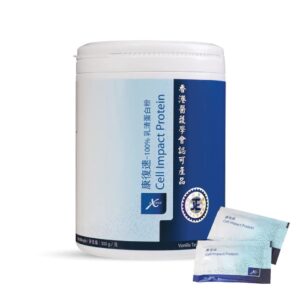
Single 10% off】aXimed – Recovery Speed 100% Whey Protein Powder 30 sachets
Original price was: $558.00.$502.00Current price is: $502.00. Add to basket -
Sale!
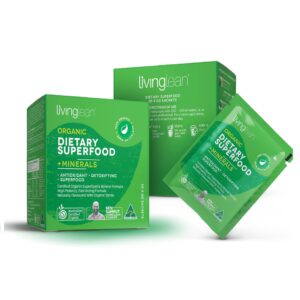
Livinglean – Organic Dietary Mineral Powder 8g x 20 sachets
Original price was: $368.00.$298.00Current price is: $298.00. Add to basket
Related Post:
![網購保健品付款前,先核對這 8 件事]()
Before paying for health supplements online, check these 8 things first.
![葡萄糖胺軟骨素MSM點揀?食極都痛先檢查每日劑量]()
Glucosamine chondroitin MSM selection? Eating causes pain; first check the daily dosage.
![gogoherbs-mens-hair-cover]()
How to Choose Hair Care Supplements for Men? A Comparison of 8 Biotin, Saw Palmetto, and Collagen Products
![晨光下的健康早餐时光]()
From hair-nourishing gummies to collagen powder: Comparison of 8 best-selling beauty and health products and their formulas.