

































































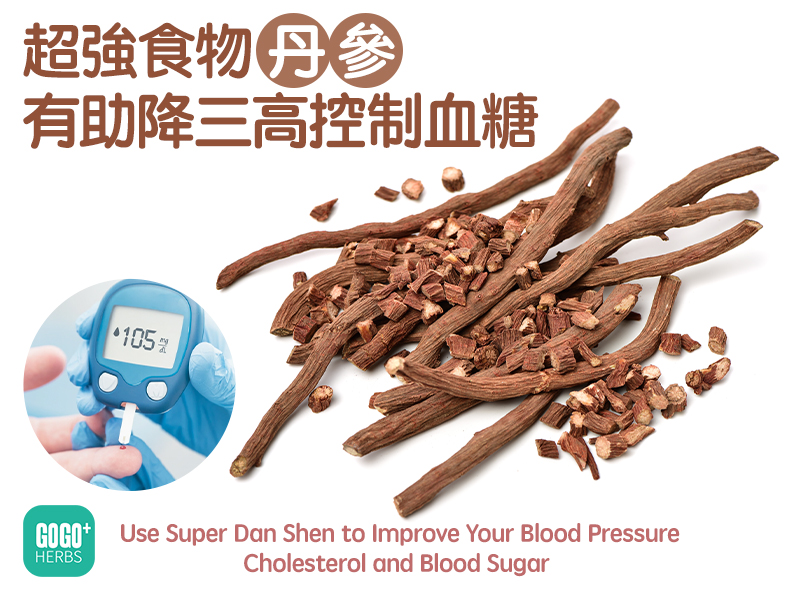
Salvia miltiorrhiza is known as a "superfood" on social media, with claims that it can lower blood pressure, blood sugar, and cholesterol, control blood sugar, aid in weight loss, and reduce dark circles under the eyes. While each of these claims has some basis in fact, none can be directly applied literally.
First, the answer. Danshen is a traditional Chinese medicine, not an everyday vegetable. The core function of traditional Chinese medicine in using it is to "activate blood circulation and remove blood stasis," targeting...Blood stasis syndrome—It's not suitable for everyone, nor is it better to consume more. The most significant aspect of modern research is...Compound Danshen Dripping PillsIt is used as an adjunct to routine medications for stable angina; however, that compound formula contains Panax notoginseng and borneol, so the results cannot be directly attributed to the single herb Salvia miltiorrhiza. The most eye-catching online study on "Salvia miltiorrhiza for weight loss" uses...Artificially synthesized derivativesThis is not a naturally occurring component of Danshen (Salvia miltiorrhiza), and all data are based on mouse studies. The most important issue to address is safety: there are potential interactions between Danshen and warfarin and aspirin.Human trials confirmedDue to the interaction of these factors, it is not suitable for pregnant women, those with excessive menstrual bleeding, those with bleeding tendencies, or those about to undergo surgery.
| Your situation | suggestion |
|---|---|
| My physical exam was mostly normal. I'd like to know what Danshen is. | You can continue reading; if you wish to take it, please consult a registered Chinese medicine practitioner first. |
| Currently taking anti-blood thinning drugs (warfarin), aspirin, and clopidogrel. | Do not take additional medication on your own.First ask the attending physician. |
| I am currently taking digoxin, tacrolimus, cyclosporine, and some antihypertensive drugs. | Ask a doctor or pharmacist first. |
| Pregnancy, preparing for pregnancy, breastfeeding | Not suitable |
| Heavy menstrual bleeding, menstrual period, bleeding tendency, low platelet count | Not suitable |
| Schedule surgery or tooth extraction within two weeks. | Discontinue use and inform your doctor. |
| Diagnosed with coronary heart disease and angina pectoris | Danshen is not a substitute for other medications and should not be discontinued without medical advice. |
First, please understand clearly: Danshen is a medicinal herb, not a "superfood".
Danshen is the dried root and rhizome of the plant *Salvia miltiorrhiza*, belonging to the Lamiaceae family. The medicinal part is the brownish-red root. It is listed as a traditional Chinese medicine in the *Chinese Pharmacopoeia*, belonging to the category of blood-activating and stasis-removing herbs along with *Angelica sinensis* and *Ligusticum chuanxiong*. It is not an ingredient that can be casually added to salads or juices.
This distinction is not a word game; it determines three things:
First, there is an upper limit to the dosage.The recommended dosage for decoction in the Chinese Pharmacopoeia is 9 to 15 grams.Tanshinone monographs on Drugs.comThis range is cited directly; some textbooks and popular science articles state 5 to 15 grams, the difference stemming from different versions and whether it involves processing with alcohol. For daily soups and therapeutic purposes, it is generally recommended to start with 3 to 5 grams, rather than adhering to the upper limit of the pharmacopoeia.
Second, there are clear taboos.Foods rarely have a "not suitable for pregnant women" label, but medicinal herbs do. Traditional contraindications for Danshen include caution for pregnant women, unsuitability for those with excessive menstruation or without blood stasis, and incompatibility with Veratrum (one of the "Eighteen Incompatibilities" in traditional Chinese medicine).
Third, it can interact with medications.This point is often overshadowed by the impression that "natural medicines are very safe," and it's also the part of this article that's discussed the most. Danshen has antiplatelet activity, and using it with blood thinners can increase the risk of bleeding; it can also affect some metabolic enzymes in the liver, altering the blood concentration of other drugs.
In Hong Kong, the retail of Chinese medicinal materials is regulated by the Chinese Medicine Ordinance and must be purchased from licensed Chinese medicine retailers.The Standards for Chinese Medicinal Herbs in Hong Kong, issued by the Office of Chinese Medicine Regulation, Department of Health.Reference standards have been established for 344 commonly used Chinese medicinal herbs. When purchasing, pay attention to the source and appearance: genuine Danshen has a brownish-red or dark brownish-red surface with longitudinal wrinkles, is hard and brittle, has a faint odor, and a slightly bitter taste.

II. How does Traditional Chinese Medicine define Danshen: its properties, flavors, meridian tropism, and traditional efficacy?
Properties and Channels
| project | content |
|---|---|
| Properties | Bitter, slightly cold |
| Meridian Tropism | Heart and Liver Meridians (some literature also lists the Pericardium Meridian) |
| efficacy | It promotes blood circulation and removes blood stasis, regulates menstruation and relieves pain, clears the mind and eliminates irritability, cools the blood and reduces swelling. |
| Common dosage | Take 9–15 grams orally; for dietary therapy, start with 3–5 grams. |
| Processing | Used raw or processed with wine; Salvia miltiorrhiza processed with wine is often used to invigorate blood circulation and remove blood stasis. |
| Taboo | Pregnant women should use with caution; not suitable for those with excessive menstruation or without blood stasis; incompatible with Veratrum nigrum. |
The phrase "slightly cold" is worth noting. Danshen (Salvia miltiorrhiza) is considered to have a cooling nature, and Traditional Chinese Medicine believes it is suitable for...Blood heat and stagnationThis condition involves both blood stasis and heat symptoms. If one's constitution is weak and cold, with cold hands and feet, and prone to diarrhea, long-term consumption of Danshen tea alone may not be suitable.The relationship between cold foods and body constitutionIn another article, it was discussed in more detail, but the principle remains the same: sexual attraction determines who is suitable, not everyone.
What does traditional treatment cover?
The Chinese Pharmacopoeia lists the following indications: chest pain, abdominal pain, abdominal masses, painful arthralgia, insomnia, irregular menstruation, dysmenorrhea, amenorrhea, and sores and swellings. In modern terms, these can be roughly categorized into four groups:
- Chest pain related to cardiovascular disease—In traditional Chinese medicine, this is called "chest pain and heart pain," which corresponds to symptoms such as angina pectoris and chest tightness in modern medicine.
- Gynecological menstrual problemsIrregular menstruation, amenorrhea, and dysmenorrhea are all conditions that fall under the category of blood stasis.
- Bruises and sprains and various types of bruises—Including joint pain;
- Irritability and insomnia—Danshen enters the heart meridian, and traditional Chinese medicine believes that it can clear the mind and relieve irritability.
In an interview, Dr. Chou Tsung-han, a traditional Chinese medicine practitioner at the Renai Branch of Taipei City Hospital in Taiwan, mentioned that Danshen (Salvia miltiorrhiza) has auxiliary effects on menstrual disorders, amenorrhea, dysmenorrhea, injuries from falls and blows, sores and swelling, irritability, insomnia, and angina pectoris, especially for poor circulation caused by "qi stagnation and blood stasis." This statement should be understood within the framework of syndrome differentiation and treatment.The prerequisite is to identify "stasis".It's not that having these symptoms means you should take Danshen (Salvia miltiorrhiza). Even with the same condition of dysmenorrhea, the treatment approaches for qi stagnation and blood stasis, cold-induced blood stasis, and qi and blood deficiency are completely different.
How did the saying "One dose of Danshen has the same effects as four other herbs" come about?
This folk saying is widely circulated and its origin is earlier and clearer than most people think: The Ming Dynasty book "Women's Principles" says that "one dose of Danshen powder has the same effect as Siwu Decoction". Li Shizhen quoted and explained it in "Compendium of Materia Medica" - Siwu Decoction treats women's diseases and can be used before and after childbirth, and regardless of the amount of menstrual flow. "Only one dose of Danshen powder has the same main function as it... Its effect is similar to that of Angelica sinensis, Rehmannia glutinosa, Ligusticum chuanxiong and Paeonia lactiflora".
但China Traditional Chinese Medicine Network: "Danshen (Salvia miltiorrhiza) for Invigorating Blood Circulation and Regulating Menstruation"The limitations of this statement must be clearly stated: the power of Danshen to invigorate blood and regulate menstruation.Not as good asSiwu Decoction; moreover, Danshen is cool in nature and suitable for blood heat and stagnation; Siwu Decoction is warm in nature and suitable for blood deficiency with cold coagulation and blood stasis. Therefore, "the effects are the same as Siwu Decoction" only indicates the efficacy of both.Similar directionsThese cannot be used to guide actual medication use, nor do they mean they can be substituted for each other.
In other words, while Danshen (Salvia miltiorrhiza) can be an option for post-menstrual recovery, it is not a substitute for Siwu Tang (Four-Substance Decoction) and is not suitable for all constitutions. This point is...Traditional Chinese Medicine Dietary Therapy for Menstrual PainThat article includes a comparison based on body constitution.

3. What does "promoting blood circulation and removing blood stasis" correspond to in modern research?
The concept of "blood stasis" in Traditional Chinese Medicine (TCM) does not correspond one-to-one with modern medical indicators, but researchers have indeed found some measurable overlaps. The active ingredients of Danshen (Salvia miltiorrhiza) mainly fall into two categories:
| Ingredient Category | Representative ingredients | Main research directions |
|---|---|---|
| Lipophilic diterpenoids (tanshinones) | Tanshinone I, Tanshinone IIA, Cryptotanshinone | Anti-inflammatory, antioxidant, inhibits vascular smooth muscle proliferation, and protects the myocardium. |
| hydrophilic phenolic acids | Tanshinone, Tanshinone A/B, Rosmarinic acid | Anti-platelet aggregation, antioxidant, and improves endothelial function |
At the experimental and animal levels, these components have been shown to inhibit platelet aggregation, reduce thrombus formation, dilate blood vessels, and alleviate endothelial dysfunction and oxidative stress.A review article to be published in Food Science & Nutrition in 2026.The preclinical evidence was summarized into five directions: anti-oxidation, anti-inflammation, vasodilation, antithrombosis, and anti-fibrosis, involving endothelial nitric oxide signaling and the NF-κB/MAPK inflammatory pathway.
But be careful of a leap in reasoning:Improved laboratory indicators do not necessarily equate to a reduction in clinical events.A decrease in platelet aggregation rate provides evidence at the mechanistic level, while a decrease in coronary heart disease mortality provides evidence at the outcome level. Large-scale, long-term, controlled human trials are needed to bridge the gap between the two. The same review also points out that existing human studies are limited by differences in formulation, dosage, product instability, and small sample sizes, resulting in limited overall evidence.

Fourth, modern research should be viewed from three levels and should not be confused.
This is the most important section for understanding the research on Danshen. Popularly, three completely different things are all called "Danshen is effective," but their levels of evidence are very different.
| level | Research subjects | Evidence status | Can we directly infer from "drinking Danshen soup"? |
|---|---|---|---|
| First layer | Compound Danshen Dripping Pills (Danshen + Panax notoginseng + Borneol) | 93 randomized controlled trials, 10,208 participants; positive data exists, but the certainty of evidence is moderate to very low. | No. This compound formula contains other medicinal ingredients and is classified as a traditional Chinese medicine. |
| Second floor | Salvia miltiorrhiza extract (single ingredient) | There is more animal data; human trials are fewer in number and have smaller sample sizes, resulting in inconsistent results. | Some may be acceptable, but it depends on the dosage and formulation. |
| Third layer | Synthetic derivatives ST32da/ST32db | Mouse and cell experiments;It is not a naturally occurring component of Danshen. | Completely impossible |
First layer: Compound Danshen Dripping Pills
This is the largest sample size among studies related to Danshen (Salvia miltiorrhiza).Updated systematic review and meta-analysis published in Frontiers in PharmacologyThis study included 93 randomized controlled trials involving 10,208 patients with stable angina, comparing "Compound Danshen Dripping Pills plus regular medication" versus "regular medication alone" or "regular medication plus nitrates". Results showed:
- Treatment efficacy for angina: RR 1.26 (95% CI 1.19– 1.33)
- ECG efficacy: RR 1.34 (95% CI 1.19– 1.51)
- Decreased frequency of angina attacks: SMD −1.32
- Shortened duration of angina: SMD −2.51
- Increased left ventricular ejection fraction: SMD 1.30
- Compared with nitrates plus conventional medication, the efficacy was no less or even better; no increase in adverse reactions was observed, and the incidence was lower than that in the nitrate group.
However, the same study used the GRADE framework to assess the certainty of evidence, and the conclusion was...Medium to very lowThe main reason for this discrepancy is the inconsistency between the methodological limitations of the included studies and the results. The authors stated that existing evidence suggests Compound Danshen Dripping Pills may improve symptoms and functional indicators of stable angina, but the certainty of the evidence remains limited, and a well-designed randomized controlled trial is needed for confirmation.
A positive interpretation is: This is an auxiliary medication approach that has been used for many years in Chinese-speaking regions, accumulating data from over ten thousand people, and the safety data shows no obvious warning signs. A cautious interpretation is: It is...SupportIt is added to regular medications, not used to replace standard medications.
Second layer: Single-ingredient Salvia miltiorrhiza extract
There is far less human data on Danshen alone, and the results are inconsistent.Drugs.com Special ReportTwo types of studies were compiled:
A randomized controlled trial involving 62 patients with diabetes and coronary heart disease showed that taking 5 grams of Salvia miltiorrhiza root extract twice daily for 60 days significantly reduced inflammation and endothelial-related markers (sVCAM-1, vWF, and oxidized LDL), and the treatment was well-tolerated.
Another more rigorously designed double-blind, randomized, placebo-controlled crossover trial involved only 20 participants who took 1 gram of Salvia miltiorrhiza root extract three times daily for 28 days. After adjusting for baseline, LDL cholesterol levels compared to baseline and placebo levels...Significant increaseOther indicators such as blood lipids, blood pressure, vascular reactivity, metabolism, antioxidant, inflammation and coagulation showed no significant changes; one case of peripheral facial nerve palsy occurred during the trial.
Looking at the two studies side-by-side, the honest conclusion is:The effect of danshen on blood lipids is unstable.It's unwise to treat it as a dietary therapy for "lowering the three highs" (high blood pressure, high blood sugar, and high cholesterol). Its more reliable basis lies in its anti-platelet, endothelial function, and microcirculation effects, rather than its cholesterol-lowering properties.
Third layer: Synthetic derivatives ST32da and ST32db
The research on "Danshen weight loss" circulating online mostly refers to this aspect, but the key premise was deleted when it was circulated.
A study published in Communications Biology (2019)ST32da is described as "a synthetic ATF3 inducer isolated from..." Salvia miltiorrhiza」;A study published in Cells (2025)To put it more directly: "a synthetic ATF3 inducer derived from Salvia miltiorrhiza」;Another paper from the same team (2022)ST32db is then referred to as "a novel synthetic derivative similar in structure to compounds from..." S. miltiorrhiza "extract".
All three articles agree: This isCompounds synthesized in the laboratory based on the chemical structure of tanshinone components.It is not something naturally found in the root of Salvia miltiorrhiza. Writing "ST32da effective" as "Salvia miltiorrhiza effective" is like including a laboratory-synthesized molecule in a bowl of soup.
As for the research itself, there are many commendable aspects: oral administration of ST32da to obese mice induced by a high-fat diet showed anti-obesity effects similar to those of the clinical weight-loss drug orlistat; the mechanism is through ATF3 inhibition of C/EBPα, promoting the browning of white adipose tissue while reducing fat production. Subsequent studies in the same series extended the scope to obesity-related diabetic nephropathy, observing a reduction in kidney inflammation, glomerular dilation and fibrosis, as well as a decrease in hepatic lipid accumulation.
But all of these areMouse and CellThe results... The transition from mice to humans involves three crucial steps: dosage conversion, bioavailability, and long-term safety. Currently, there are no human trials to support the claim that "eating Danshen can help with weight loss."
V. Weight loss, fatty liver, and brown adipose tissue: Currently, only mouse data are available.
What causes white fat to turn brown?
The human body has two types of fat. White adipose tissue (WAT) primarily stores energy and accumulates in the abdomen and waist; brown adipose tissue (BAT) contains a large number of mitochondria and burns energy to produce heat. Infants have more brown adipose tissue, while adults have less and the amount decreases with age. For the past decade or so, "inducing the browning of white adipose tissue" has been an important direction in metabolic research because it can theoretically increase energy expenditure without reducing food intake.
Synthetic derivatives related to Danshen follow this path: activating ATF3 and downregulating C/EBPα, causing white adipocytes to exhibit characteristics of brown fat. The direction is reasonable and the mechanism is clear, but it is still far from "making people lose weight after eating it".
What the research did and didn't do
| Already done | Not done |
|---|---|
| In a high-fat diet mouse model, oral administration of ST32da reduced body weight and lipogenesis. | Human randomized controlled trial |
| Compared with orlistat, its anti-obesity effect is similar. | Effective dose and safe dose for human body |
| ATF3/C/EBPα pathway confirmed at the cellular level | Safety data for long-term use |
| Kidney protection was observed in a mouse model of diabetic nephropathy. | Interactions with other drugs |
Another point that is easily overlooked: these experiments used...Separation and purification of synthetic compoundsThe dosage is measured in milligrams, which is not on the same order of magnitude as the component content and bioavailability in a bowl of Danshen soup. The oral absorption rate of tanshinone in Danshen is inherently low, which is why researchers have been trying different dosage forms such as liposomes and nanocarriers in recent years.
Traditional Chinese Medicine's approach to treating fatty liver through compound prescriptions
In TCM clinical practice, Danshen (Salvia miltiorrhiza) is rarely used alone to treat fatty liver; instead, compound prescriptions are often used with modifications based on syndrome differentiation. Popular combinations include safflower, cassia seed, hawthorn, papaya, poria cocos, polygonatum odoratum, euryale seed, bamboo leaf, tangerine peel, cinnamon, and lily bulb, aiming to address multiple aspects simultaneously, such as phlegm, dampness, blood stasis, and heat.
Three points need to be emphasized. First, this isDifferential diagnosis and prescriptionThis is not a dietary therapy prescription that can be taken without consulting a doctor—the combination of eleven herbs requires a registered traditional Chinese medicine practitioner to determine the dosage and adjustments based on the individual's constitution. Secondly, some herbs in this type of compound prescription are not suitable for long-term self-administration:Safflower is not suitable for pregnant women.Cassia seeds are cooling in nature, and long-term use in large quantities may cause diarrhea; cinnamon is warming in nature and is not suitable for those with yin deficiency and excessive internal heat. Third, there are currently no high-quality human trials to prove that this combination can "lower blood pressure, blood lipids, and blood sugar," and labeling it as a dietary therapy for the "three highs" is an overgeneralization.
VI. Cardiovascular Care: What can Danshen Tea help with?
Danshen (Salvia miltiorrhiza) with tea: The main active ingredient in tea is caffeine, not theophylline.
It's commonly said that "the theophylline in tea can dilate blood vessels and strengthen capillary elasticity." This statement conflates two concepts.
Theophylline is a component of bronchodilators.Although tea contains trace amounts of these active ingredients, it is far from sufficient to produce a pharmacological effect. The truly dose-significant active ingredients in a cup of tea are...caffeineEach cup contains approximately 20 to 60 milligrams, depending on the type of tea and brewing time. Caffeine may cause a temporary, slight increase in heart rate and blood pressure, which is not entirely consistent with its "vasodilating" effect.
Therefore, when you combine Danshen (Salvia miltiorrhiza) with tea, you actually get "Danshen components + caffeine," not "Danshen + vasodilators." They can be brewed together, but don't treat the tea as a carrier of its pharmacological effects.
How to drink Danshen tea
- DosageTake 3 to 5 grams of dried Salvia miltiorrhiza slices and add 300 to 500 ml of hot water. The solution can be re-infused once or twice.
- water temperatureSoak at approximately 90℃ for 10 to 15 minutes; the active ingredients of Danshen are quite water-soluble, but it should not be boiled for too long until it becomes bitter.
- time: For daytime consumption. When brewed with tea, it contains caffeine.Avoid drinking before bedtimeTo avoid affecting sleep
- Do not take with medication.It is recommended to wait at least two hours between taking Western medicine and other medications, but this only reduces direct contact with the stomach.The interaction after absorption cannot be avoided
- Do not drink it every day for an extended period of time.If you take it continuously for several weeks, you should stop taking it. Long-term users should pay attention to symptoms of potassium deficiency such as fatigue, muscle soreness, and decreased appetite.
For people already diagnosed with coronary heart disease: Danshen cannot replace medication.
This point must be made clear.American Heart Association (AHA) Scientific Statement Regarding Medications That May Cause or Worsen Heart FailureThe study lists Danshen as a natural product with antiplatelet activity and advises patients with heart failure to avoid its use due to its interaction with warfarin. It also explicitly states that natural products are not recommended for the symptom management of heart failure or the secondary prevention of cardiovascular events.
Standard medications for coronary heart disease and angina include antiplatelet drugs, statins, beta-blockers, and nitrates. The efficacy of these drugs is derived from large-scale clinical trials. Danshen (Salvia miltiorrhiza) can be used as an adjunct therapy, but it should not be replaced or its dosage reduced on your own. If you intend to add it to your medication regimen,First tell the attending physicianInstead of eating first and then thinking about it later.
7. Dark circles under the eyes and external application of Danshen (Salvia miltiorrhiza): The most widespread theory, but the weakest evidence.
There are four types of dark circles, not just one type caused by poor circulation.
| type | Appearance features | Main causes |
|---|---|---|
| Pigment type | Brownish-brown, darkens when the skin is stretched. | Sun exposure, genetics, recurrent post-inflammatory hyperpigmentation, rubbing the eyes |
| Vascular type | bluish-purple, lightens slightly when pressed. | Thin skin around the eyes, visible blood vessels, nasal allergies, and lack of sleep. |
| structural | Shadows change with the angle of light. | Tear trough hollowing, eye bags, and loss of orbital fat |
| Hybrid | The above-mentioned factors coexist | Most common |
The idea behind Danshen's "improvement of microcirculation" theoretically corresponds to...Vascular typeIt is not pigment-based or structural-based. However, a correct approach does not guarantee effectiveness—a clinical study on topical application is still missing.
What the research says
A cross-sectional study of 116 patients (Journal of Cosmetic Dermatology, 2025)Analyzing the factors related to dark circles, the results were somewhat unexpected:There was no significant correlation between sleep quality and the severity of dark circles under the eyes.Factors significantly associated with dark circles under the eyes include family history, stress, prolonged sun exposure or television viewing, taking hormone medications, anemia, and...Rubbing eyes。
This study, with its small sample size and single-center nature, cannot be considered a definitive conclusion. However, it does highlight one point: the causal relationship between staying up late and dark circles is weaker than commonly believed. If the primary cause of dark circles is rubbing the eyes, sun exposure, or nasal allergies, simply applying blood-activating herbs will not solve the problem.
Actual risks of applying danshen powder externally
Applying powdered danshen (Salvia miltiorrhiza) mixed with pearl powder and moisturizing lotion to the eye area is a widely practiced method. Currently...No clinical studiesEvaluate the effectiveness and safety of this formula. Several practical issues need to be considered:
- Particle frictionThe powder you grind yourself has uneven particle size, and the skin around your eyes is only about one-third the thickness of the skin on your cheeks. Repeated rubbing can actually promote pigmentation—exactly the opposite of what you want to improve.
- Uncontrollable concentrationDanshen contains components such as tanshinone, and excessively high concentrations may cause irritation; the main component of pearl powder is calcium carbonate, not a whitening active ingredient.
- Corrosion and pollutionHomemade mixtures lack a preservative system, increasing the risk of bacterial growth during application.
- Allergies and contact dermatitisNatural herbs can also cause allergies, and reactions around the eyes are more difficult to treat than those on other parts of the face.
If dark circles persist, the most practical approach is to first determine their type: pigmented dark circles are treated primarily with sunscreen and whitening ingredients, vascular dark circles require addressing nasal allergies and improving sleep, and structural dark circles may require fillers or surgery. If dark circles are persistent on one side, suddenly change color, or are accompanied by weight loss or swollen lymph nodes, you should seek medical attention as soon as possible.
8. Who is not suitable to use Danshen?
| Condition | reason | suggestion |
|---|---|---|
| Pregnancy, Preparing for pregnancy | Traditionally, blood-activating and stasis-removing drugs are listed as drugs that pregnant women should use with caution or avoid. | Need not |
| Breastfeeding | Lack of security data | Need not |
| Heavy menstrual flow, during menstruation | May worsen bleeding | Avoid during menstruation; treatment should be prescribed by a doctor after menstruation. |
| Bleeding tendency, low platelet count, abnormal coagulation function | Antiplatelet activity | Need not |
| Surgery, tooth extraction, and endoscopic examination to be scheduled within two weeks. | Bleeding risk | Discontinue use and inform your doctor. |
| Taking antiplatelet drugs or blood thinners | Additional bleeding risk (see next section) | Ask a doctor first |
| Heart failure | AHA scientific statement recommends avoiding | Need not |
| Low blood pressure or currently taking antihypertensive medication | Danshen has a hypotensive effect in animal studies, which may have an additive effect. | Ask your doctor before monitoring your blood pressure. |
| child | Lack of data | It is not recommended to take it on your own. |
Two other traditional taboos are worth remembering:Danshen is incompatible with Veratrum nigrum(The "Eighteen Incompatibilities" in Traditional Chinese Medicine Combinations), andLong-term use is not recommended for those without blood stasis.The former refers to the rules at the prescription level, while the latter is a judgment at the constitution level—if there is no blood stasis, there is no reason to use it.
IX. Interactions with Western Medicine: The Section That Requires the Most Careful Attention
This section does not involve theoretical deduction; several of the points already exist.Human trialsdata.
Warfarin (blood thinner)
The interaction between tanshinone and warfarin is the most clearly defined medication safety issue with tanshinone.Drugs.com Special ReportThree case reports of excessive anticoagulation caused by warfarin combined with tanshinone were documented; rat experiments showed that tanshinone increased the absorption rate and total exposure of warfarin, and decreased its clearance. The mechanism involves both pharmacokinetic and pharmacodynamic aspects, and tanshinone itself also has antiplatelet activity.
More direct evidence comes from human trials.An open-label, multiple-dose human trial published in the Journal of Ethnopharmacology (2020)Fourteen healthy subjects received different combinations in five phases, with a two-week washout period between each phase. The results showed that co-administration of Danshen combined with Pueraria lobata preparations with aspirin or warfarin produced significant pharmacokinetic and pharmacodynamic interactions: co-administration with aspirin moderately increased aspirin exposure and decreased thromboxane B2 (additive antiplatelet effects); co-administration with warfarin altered warfarin metabolite exposure and offset the increase in soluble thrombomodulin caused by warfarin.
The conclusion is straightforward:People who are currently taking anti-inflammatory medication should not take Danshen (Salvia miltiorrhiza) on their own.If the doctor deems it necessary to use them simultaneously, the coagulation index (INR) must be monitored, and signs such as bleeding gums, easy bruising, black stools, and hematuria should be observed.
Other drugs
| Drug categories | Potential impact | deal with |
|---|---|---|
| Antiplatelet drugs such as aspirin and clopidogrel | The cumulative effect of antiplatelet activity increases the risk of bleeding. | Ask a doctor first |
| Digoxin | Danshen can interfere with laboratory detection of digoxin blood concentration (both positive and negative). | Inform the testing personnel; if necessary, measure the free digoxin concentration. |
| Tacrolimus, cyclosporine, some statins, and some calcium channel blockers (metabolized by CYP3A4) | Danshen induces CYP3A4 in humans, which may reduce the blood concentration of these drugs. | Ask a doctor or pharmacist first. |
| antihypertensive drugs | Danshen has a hypotensive effect in animal studies, which may lead to hypotension. | Monitor blood pressure |
| Diuretics, digoxin (when used with licorice) | Licorice causes potassium loss, which, when combined with diuretics, leads to hypokalemia and increases the risk of digoxin toxicity. | Those who make soups containing licorice should take note. |
Regarding the induction effect of CYP3A4, Drugs.com cites a study of 12 healthy men: Pretreatment with 4 g of Tanshinone extract three times daily increased the oral clearance of midazolam by approximately 351 TP4T, while the peak plasma concentration and total exposure decreased by approximately 311 TP4T and 271 TP4T, respectively. This suggests that Tanshinone may...reduceThe efficacy of some drugs is exactly the opposite of the common perception that "traditional Chinese medicine is only an auxiliary medicine and does not interfere with Western medicine."
Long-term use and potassium deficiency
Popular science materials from the Guangdong Provincial Administration of Traditional Chinese MedicineIt is mentioned that long-term use of Danshen may lead to potassium deficiency symptoms such as general weakness, muscle aches, loss of appetite, nausea, and abdominal distension. People taking diuretics, having kidney disease, or having low potassium intake in their diet are at higher risk. This is why Danshen should not be consumed daily as a tea for extended periods.
10. Nourishing Qi and Blood-Activating Chicken Soup: Recipe and Three Safety Reminders
This soup is a common home-style medicinal dish in the Lingnan region. Danshen invigorates blood circulation, Huangqi replenishes qi, and Mai Men Dong nourishes yin, aiming to cater to the constitution of "qi deficiency with blood stasis".
Ingredients (for about 4 to 6 bowls)
- Half a free-range chicken, cut into pieces
- 10 grams of Salvia miltiorrhiza
- 10 grams of Astragalus
- 10 grams of Ophiopogon japonicus
- 6 grams of licorice
- 5 red dates
- 3 slices of old ginger
- 50 ml of rice wine
- 3,000 ml of cold water
practice
- Prepare ingredientsCut the chicken into pieces; rinse the Chinese medicinal herbs quickly with clean water to remove dust, and do not soak them for too long to avoid loss of water-soluble components.
- Pre-cooking to remove bloodSubmerge the chicken completely in cold water, add 3 slices of ginger, bring to a boil over high heat, then remove and rinse off any surface impurities.
- StewingPlace the chicken in a soup pot, add water to cover the ingredients, pour in rice wine, add all the Chinese medicinal herbs, bring to a boil over high heat, then simmer over low heat for about 40 minutes. Finally, add salt to taste.
Reminder 1: 6 grams of licorice is not a trivial matter.
Licorice is the most easily underestimated ingredient in this formula. The glycyrrhizic acid in licorice can cause the body to retain sodium and excrete potassium; long-term or high-dose use may lead to increased blood pressure, low potassium, and edema. People with high blood pressure, kidney disease, heart failure, or those currently taking diuretics or digoxin should be especially careful.
Drinking it occasionally is fine; however, if you plan to brew it two or three times a week for several months, it is recommended to reduce or remove the licorice and inform your registered Chinese medicine practitioner about any other medications you are taking.
Reminder 2: Be sure to calculate the amount of rice wine (50 ml).
50 ml of rice wine contains approximately 10 ml of alcohol.Data on alcohol residue after stewingAfter simmering for 40 minutes, about 35% of the alcohol remains, which is about 3.5 ml of pure alcohol. When this is added to 3,000 ml of soup, the content in each bowl is very low. However, "very low" does not mean zero. People who are taking certain medications, are sensitive to alcohol, have poor liver function, or cannot drink alcohol at all should simply "dissolve" the alcohol in water, as the taste difference is minimal.
Reminder 3: Who is not suitable for this soup?
- Pregnant women and breastfeeding mothersSalvia miltiorrhiza is not suitable, nor is rice wine.
- During menstruation, heavy menstrual flowDanshen promotes blood circulation; it is advisable to wait until after menstruation to consider using it.
- Postpartum lochia not cleared or heavy bleedingNot recommended; postpartum care should be prescribed by a registered traditional Chinese medicine practitioner based on syndrome differentiation.
- Taking antiplatelet drugs and blood thinnersNot advisable
- Uncontrolled hypertension, kidney disease, heart failureBoth licorice and rice wine should be included in the calculation; consult a doctor first.
- During a cold and feverIt is not advisable to take tonics; it is better to treat the external pathogens first.
One more thing: This soup belongs to...Dietary therapyThis is not a prescription. It is suitable for occasional use by people with compatible constitutions, but it should not replace a normal diet long-term, nor should it be used to treat any diagnosed disease. If you experience skin rash, gastrointestinal discomfort, or unusual fatigue after drinking it, you should discontinue use and seek medical attention.
XI. Frequently Asked Questions
Can I drink Danshen (Salvia miltiorrhiza) every day?
It is not recommended to drink it continuously every day for a long period of time. Danshen is a medicinal herb, and long-term use may lead to potassium deficiency symptoms (fatigue, muscle aches, decreased appetite), and it may also interact with other medications you are taking. A safer approach is to drink it in stages, such as taking a break after two to four weeks of continuous use; if you want to take it long-term, you should consult a registered traditional Chinese medicine practitioner for a prescription based on your constitution and have regular follow-up appointments.
How do you brew Danshen tea? Can I add tea leaves?
Steep 3 to 5 grams of dried Danshen slices in 300 to 500 ml of hot water (approximately 90°C) for 10 to 15 minutes. It can be re-steeped one to two times. Tea can be added, but the main active ingredient in tea is caffeine (approximately 20 to 60 mg per cup), not theophylline. Tea is best consumed during the day, avoiding consumption before bedtime. It should be taken at least two hours apart from Western medicine, but this only reduces direct contact with the stomach and does not prevent post-absorption interactions.
Can Danshen (Salvia miltiorrhiza) replace blood thinners or antihypertensive drugs?
No. There is no large-scale clinical trial support that Danshen can replace warfarin, aspirin, or any antihypertensive medication; on the contrary, using it with these medications may increase the risk of bleeding or hypotension. People diagnosed with cardiovascular disease should not stop taking their medication or reduce the dosage to use Danshen on their own.
Can I take Danshen while I'm taking warfarin or aspirin?
Do not take additional medication without consulting a doctor. Human trials have confirmed significant pharmacokinetic and pharmacodynamic interactions between Danshen preparations and aspirin and warfarin, including additive antiplatelet effects and altered warfarin metabolism. If a physician deems it necessary to use these medications concurrently in clinical practice, coagulation parameters must be monitored, and signs such as bleeding gums, easy bruising, melena, and hematuria should be observed.
Can pregnant women take Danshen (Salvia miltiorrhiza)?
Not recommended. Danshen (Salvia miltiorrhiza) is a blood-activating and stasis-removing herb, traditionally considered safe for pregnant women; similarly, safety data is lacking during breastfeeding. If you are currently taking a traditional Chinese medicine prescription containing Danshen while trying to conceive, you should proactively inform your doctor that you are planning to become pregnant.
Is it okay to drink Danshen soup during menstruation?
Generally, it is not recommended. Danshen (Salvia miltiorrhiza) invigorates blood circulation, and taking it during menstruation may increase menstrual flow. Traditional Chinese medicine treatment for dysmenorrhea or irregular menstruation is usually scheduled after menstruation and the prescription is tailored to the individual's constitution—the approach differs depending on whether it's qi stagnation and blood stasis, cold-induced blood stasis, or qi and blood deficiency. One should not self-medicate.
Can applying danshen powder to the eyes help reduce dark circles?
Currently, there are no clinical studies to support this approach. Dark circles under the eyes are classified into pigmented, vascular, structural, and mixed types. The idea of using Danshen (Salvia miltiorrhiza) to promote blood circulation and remove blood stasis only barely applies to the vascular type and is not suitable for the pigmented and structural types. Homemade powders have uneven particle sizes, and the skin around the eyes is thin; repeated rubbing may actually promote pigmentation. Homemade mixtures also lack a preservative system. If dark circles persist, it is recommended to first determine the type before treatment.
Can Danshen (Salvia miltiorrhiza) help with weight loss?
There is currently no human evidence. The weight loss studies circulating online use compounds ST32da/ST32db synthesized in the lab based on the structure of Danshen (Salvia miltiorrhiza) components; these are not naturally occurring components of Danshen. The studies involved mice on a high-fat diet, observing browning of white adipose tissue and weight loss, with oral effects similar to orlistat. These results cannot be extrapolated to humans, nor can they be extrapolated to the effects of drinking Danshen decoction.
Which is better, Danshen or Siwu Tang?
Both have similar effects but cannot replace each other. The saying "One dose of Danshen has the same effect as Siwu Decoction" comes from *The Treatise on Women's Health*, quoted by Li Shizhen in *Compendium of Materia Medica*. China Traditional Chinese Medicine Network points out that Danshen's ability to invigorate blood and regulate menstruation is not as strong as Siwu Decoction. Furthermore, Danshen is cooling in nature and suitable for blood heat and stagnation, while Siwu Decoction is warming and suitable for blood deficiency with cold stagnation. Which one to choose depends on one's constitution, not on which is "stronger."
How long does it take for Danshen to be effective?
There is no standard answer to this question, as the definition of "effective" depends on the intended use. As a daily dietary therapy, it is generally recommended to consume it in stages rather than continuously for a long period. As part of a traditional Chinese medicine prescription, the course of treatment is determined by a registered TCM practitioner based on the patient's condition, and regular follow-up evaluations are usually conducted. If there is no subjective improvement or discomfort occurs after two to four weeks of use, discontinue use and consult a physician, rather than increasing the dosage on your own.
Should I stop taking Danshen before surgery?
Yes. Danshen has antiplatelet activity and may increase the risk of bleeding during surgery and anesthesia. It is generally recommended to discontinue use at least two weeks in advance and to proactively inform the surgeon and anesthesiologist of any Chinese herbal medicines, health supplements, and Western medicines you are taking. The same principle applies to tooth extractions, endoscopic examinations, and any invasive procedures.
Why can't Danshen and Veratrum be used together?
This is one of the "Eighteen Incompatibilities" in traditional Chinese medicine (TCM) regarding the incompatibility of various herbs (such as ginseng, asarum, and peony, which are incompatible with Veratrum). Veratrum itself is highly toxic and is rarely used clinically anymore. The practical significance of this contraindication is to remind people not to prescribe TCM formulas on their own. Any formula containing multiple herbs should be prescribed by a registered TCM practitioner.
XII. Sources of Information
- Department of Health, Office of Chinese Medicine Regulation: Hong Kong Standards for Chinese Medicinal Herbs
- China Traditional Chinese Medicine Network: <Danshen (Salvia miltiorrhiza) for Invigorating Blood Circulation and Regulating Menstruation>
- Guangdong Provincial Administration of Traditional Chinese Medicine: <This Chinese medicine is a must-have for those with blood stasis>
- Guangdong Provincial Administration of Traditional Chinese Medicine: <Try these three Chinese herbs for nourishing blood and regulating liver>
- Drugs.com Natural Products Database: Danshen Special Article
- Compound Danshen Dripping Pills for stable angina pectoris: an updated systematic review and meta-analysis. Front Pharmacol(2026)
- Cardiovascular Benefits of Salvia miltiorrhiza Supplementation. Food Sci Nutr(2026)
- Is it safe to take Radix Salvia Miltiorrhiza – Radix Pueraria Lobatae product with warfarin and aspirin? J Ethnopharmacol(2020)
- Interaction Between Chinese Medicine and Warfarin: Clinical and Research Update. Front Pharmacol(2021)
- Adipocyte browning and resistance to obesity in mice is induced by expression of ATF3. Commun Biol(2019)
- Salvia miltiorrhiza Extract and Individual Synthesized Component Derivatives Induce ATF3-Mediated Anti-Obesity Effects. Cells(2022)
- ST32da, a Novel Salvia miltiorrhiza-Derived ATF3 Inducer, Alleviates Obesity-Related Diabetic Nephropathy in Mouse Models. Cells(2025)
- The Frequency of Periorbital Hyperpigmentation Risk Factors. J Cosmet Dermatol(2025)
- Drugs That May Cause or Exacerbate Heart Failure: A Scientific Statement From the American Heart Association. Circulation(2016)
Health Reminder
This article provides health education and general information and does not constitute medical advice, nor can it replace a doctor's or registered Chinese medicine practitioner's diagnosis and prescription. Everyone's constitution, medical history, and current medications are different; the same herb may carry entirely different risks for different people.
If you are taking any prescription medications, have a chronic illness, are planning to become pregnant or are already pregnant, or are about to undergo surgery, please consult your attending physician or registered TCM practitioner before taking Danshen or any other Chinese herbal medicine. If you experience chest pain, difficulty breathing, sudden weakness on one side of your body, slurred speech, heavy bleeding, or black stools, please call 999 immediately or go to the emergency room.
Related Products:
-
Sale!

GINAX – Ginseng Tea Bag / Ginseng White Tea Rose Tea Bag | 1bag
Original price was: $13.00.$10.00Current price is: $10.00. 選擇規格 This product has multiple variants. The options may be chosen on the product page -
Sale!

GINAX – Manuka Honey UMF™ 5+ 30g
Original price was: $30.00.$25.00Current price is: $25.00. Add to basket -
Sale!
Single 10% off】aXimed – Recovery Speed 100% Whey Protein Powder 30 sachets
Original price was: $558.00.$502.00Current price is: $502.00. Add to basket -
Sale!
Livinglean – Organic Dietary Mineral Powder 8g x 20 sachets
Original price was: $368.00.$298.00Current price is: $298.00. Add to basket
Related Post:
![眼乾食葉黃素有用嗎?」「秋冬天眼乾特別嚴重,點算?]()
What foods are good for dry eyes? The roles and selection of Omega-3, lutein, zeaxanthin, and blueberry extract.
![男士夜尿、滴滴仔:良性前列腺增生的症狀、檢查與保健品選購]()
Nocturia and dribbling in men: Symptoms, examinations, and supplemental evidence of benign prostatic hyperplasia (BPH).
![通宵一晚,血壓會升多少?]()
Staying up late and blood pressure: How much will blood pressure rise after staying up all night on Halloween? Interpreting cardiovascular risk data.
![均衡備餐與體重管理]()
Weight Management Shopping Guide: 8 Selected Probiotics, Apple Cider Vinegar, and Herbal Formulas