
















































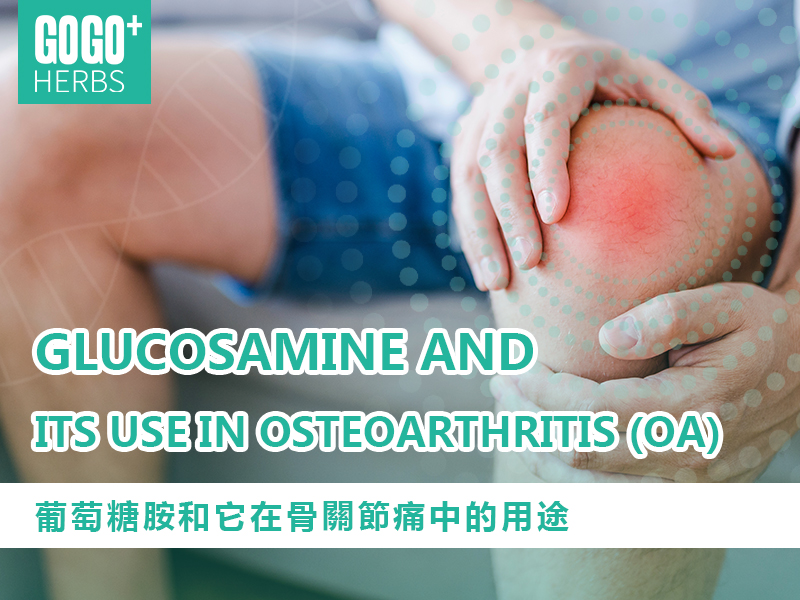
Glucosamine and its application in joint pain
glucosamine (C6H13NO5)It has been extensively studied in orthopedic trials, including its effects on joint pain. However, most of the trials in the UK and Asia have focused more on the therapeutic effects of glucosamine on osteoarthritis. Currently, many American adults use it.Glucosamine sulfate來Treatment of bone and joint painBecause it can relieve pain, reduce tenderness, and improve joint flexibility.
Drawing upon in-depth research on this topic, this article discusses the methods of use and effects of glucosamine sulfate, as well as its anti-inflammatory effects on joint tissues. Furthermore, it outlines the scope of application and production methods of glucosamine, and its synergistic potential as a combination therapy.
Discomfort in the knee and hip joints
Osteoarthritis is common among people over 50. Over time, research has categorized osteoarthritis into different phenotypes, including obesity-related osteoarthritis, mechanical osteoarthritis, and age-related osteoarthritis. Osteoarthritis often occurs in synovial joints, which are joints that allow bones to move smoothly relative to each other, such as the synovial joints in the limbs (shoulder, hip, elbow, and knee).
In addition, osteoarthritis is often accompanied by severe pain, joint stiffness, and reduced joint flexibility, mainly due to cartilage degeneration or abnormal wear and tear. Cartilage's function is to restrain and cushion the contact between bones in synovial joints. Joint pain results from abnormal friction of the cartilage, which should act as a cushion for the bones, causing joint pain, stiffness, and limited joint movement.
Glucosamine sulfate is primarily used as a nutritional supplement and a non-steroidal anti-inflammatory drug (NSAID) for cartilage repair and regeneration. So, how does it work? What are the differences between glucosamine and glucosamine sulfate? The next section of this article will discuss these questions and address some misconceptions about the use and effects of glucosamine.
The functions and differences between glucosamine and glucosamine sulfate
First, glucosamine is a naturally occurring substance found in various tissues of the human body, primarily concentrated in connective tissues, especially cartilage. For example, a synovial joint like the knee joint is composed of many parts, including…Articular cartilage and synovial fluid(Syngosaccharide). Therefore, glucosamine is abundant in articular cartilage, intervertebral discs, and synovial fluid. Scientifically, it is believed that because its effects on promoting cartilage and joint health are slow, large doses of glucosamine are needed to help relieve symptoms of osteoarthritis. Many studies have also demonstrated the anti-catabolism mechanism of glucosamine.
However, in order to introduce glucosamine into the human body, it needs to be synthesized into a form that can be absorbed by the body. Glucosamine can be processed from the shells of lobsters, crabs, and shrimp, meaning it can be extracted from chitosan in crustaceans (such as shellfish) and chitin in their exoskeletons, and can potentially be synthesized into stable oral forms such as glucosamine hydrochloride or glucosamine sulfate. In short, glucosamine sulfate is just one synthetic form of glucosamine. Furthermore, studies have shown that when taken orally as a medication, humans can rapidly absorb 90% of glucosamine into the articular cartilage.
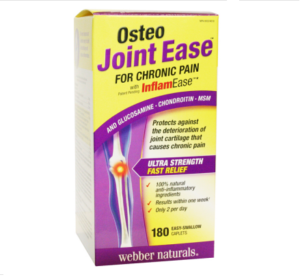
Application of glucosamine sulfate in the treatment of osteoarthritis
After being chemically extracted and stabilized, glucosamine can be used as a medicine or nutritional supplement. Many companies now offer a wide range of reliable glucosamine sulfate supplements, providing an alternative treatment option for patients suffering from osteoarthritis.
However, in terms of the collective conclusions of clinical trials, most studies, after much hesitation, acknowledged that glucosamine sulfate has a near-drastic therapeutic effect on osteoarthritis, but they did not oppose its use, because a large amount of clinical data showed that patients' conditions improved after 30-90 days of treatment.
To date, the use of glucosamine as a potential treatment for osteoarthritis is still under development. Some manufacturers believe...Glucosamine and chondroitinThe combined use of these two may be more effective because they have the potential to have a synergistic effect in reducing certain inflammations. On the other hand, some treatment experts also recommend combining glucosamine, exercise, and other medications or supplements (such as Omega-3 fatty acids, calcium, or manganese ascorbate) for treatment. This is also because exercise helps strengthen the muscles in the knees or hips, helping them stand and walk more easily.
Conclusion
There is evidence that glucosamine sulfate can help bone health.Joint painPatients experience pain relief, reduced tenderness, and improved joint flexibility. However, it remains undeniable that using glucosamine sulfate as a monotherapy may result in a slower pace of improvement in joint structure and anti-inflammation. Therefore, a combination of non-pharmacological and pharmacological approaches is ideal. This ensures faster results, quicker pain relief, and a faster recovery.
Reference source:
- Da Camara CC, Dowless GV. Glucosamine sulfate for osteoarthritis. Ann Pharmacother. 1998; 32(5):580-587. doi:10.1345/aph.17214
- Matheson AJ, Perry CM. Glucosamine: a review of its use in the management of osteoarthritis. Drugs Aging. 2003; 20(14):1041-1060. doi:10.2165/00002512-200320140-00004
- Hochberg M. Chevalier X. Henrotin Y. et al. Symptom and structure modification in osteoarthritis with pharmaceutical-grade chondroitin sulfate: what's the evidence? Curr Med Res Opin. 2013; 29: 259-267
- Wandel S. Juni P. Tendal B. et al. Effects of glucosamine, chondroitin, or placebo in patients with osteoarthritis of hip or knee: network meta-analysis. Br Med J. 2010; 341: c4675
- Meulyzer M, Vachon P, Beaudry F, Vinardell T, Richard H, Beauchamp G, Laverty S: Joint inflammation increases glucosamine levels attained in synovial fluid following oral administration of glucosamine hydrochloride. Osteoarthritis Cartilage. 2009, 17: 228-234. 10.1016/j.joca.2008.06.018.





Author. Michael Yeung
Related Products:
-
Sale!
![維柏健 - 健骨至尊 葡萄糖胺軟骨素膠囊 (500/400毫克) + D3 [特強配方] 300粒](https://gogoherbs.com/wp-content/uploads/2019/10/Glucosamine-3-1-300x300.png)
Webber Naturals – Glucosamine Chondroitin Capsules (500/400mg) + D3 [Extra Strength] 300 Capsules
Original price was: $298.00.$265.00Current price is: $265.00. Add to basket -
Sale!
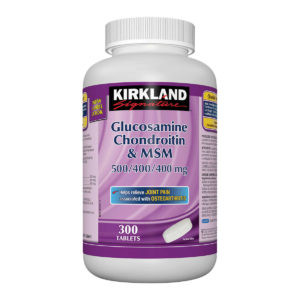
Kirkland Signature – Glucosamine & Chondroitin & MSM 500/400/400mg 300 Capsules
Original price was: $330.00.$258.00Current price is: $258.00. Add to basket -
Sale!
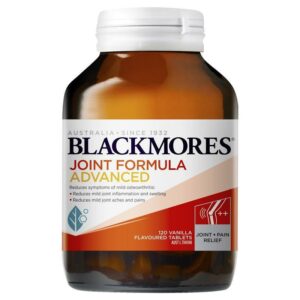
BLACKMORES – Joint Care Formula 120 capsules
Original price was: $258.00.$198.00Current price is: $198.00. Add to basket