
































































What vitamins should I take for mouth ulcers? What are the roles of B vitamins and vitamin C?
Oral ulcers (commonly known as prickly heat or aphthous ulcers) are mostly caused byTrauma (biting, denture friction), stress, or food stimulationThis usually resolves itself within 11 weeks (TP1T2).It's not necessarily a "vitamin deficiency".It's true that some people's recurrent ulcers are related to nutritional deficiencies (commonly such as iron, zinc, folic acid, vitamin B12/B2, and vitamin D). In these cases, supplementing with the right nutrients can be helpful; however, for those who are not deficient, additional supplementation will have limited effect. Also, a reminder: highly acidic vitamin C foods (such as citrus juice) may irritate ulcers, so don't apply them directly to the wound.
- To summarize: the relationship between ulcers and vitamins
- Vitamin B2 (riboflavin): most directly related to the oral mucosa
- Vitamin B1 (thiamine): the foundation of energy metabolism
- Vitamin B3 (niacin): Mucous membranes and digestion
- Vitamin C: Wound healing and connective tissue
- Key point: Vitamins only help with "true deficiency".
- Self-care (NHS recommendations)
- When to see a dentist/doctor (medical treatment guidelines)
- Selection and Product Recommendations
- Frequently Asked Questions (FAQ)
- Source of information
1. Conclusion first: The relationship between ulcers and vitamins
- Most ulcers are not caused by vitamin deficiency:Biting, denture friction, burns, stress, and spicy foods are the most common causes.
- Recurrent ulcers may be related to a deficiency:Common supplements include iron, zinc, folic acid, vitamin B12/B2, and vitamin D; only then is "correct supplementation" meaningful.
- Supplementing what is not lacking has limited effect:If your diet is balanced and there are no deficiencies, taking extra B vitamins or vitamin C may not prevent or accelerate ulcer healing.
- Avoid using acid to irritate the affected area:Acidic foods and drinks rich in vitamin C, such as citrus fruits, can actually cause stinging pain when they come into contact with ulcers.
2. Vitamin B2 (riboflavin): most directly related to the oral mucosa.
Vitamin B2 (riboflavin) is a member of the water-soluble B vitamin group. According to...Data from the National Institutes of Health (NIH)It is a component of two coenzymes, FMN and FAD, and is involved in energy production, cell growth and development, as well as fat and drug metabolism.
Vitamin B2 has the strongest connection to oral health: The NIH points out that symptoms of B2 deficiency (ariboflavinosis) include...Angular cheilitis (cracked corners of the mouth), cheilosis, congestion and swelling of the oral cavity and throat, sore throat, glossitisThese are all located around the oral cavity. Therefore, the original statement "B vitamins maintain the normal function of the mucosa" is true, and B2 can be said to be the member of the B group most directly related to the oral cavity.
Regarding the original text's statement that it "has a particularly noticeable effect on eyesight": B2 is indeed one of the nutritional foundations for maintaining normal vision and eye health (a deficiency can cause itchy, red eyes and sensitivity to light), but "particularly noticeable" is an exaggeration. The accurate statement is that it is "an essential nutrient for maintaining the health of mucous membranes and eyes."
3. Vitamin B1 (thiamine): the foundation of energy metabolism
Vitamin B1 (thiamine) is also a water-soluble B vitamin. Its active form, TDP, is an essential coenzyme for many enzymes in glucose, amino acid, and lipid metabolism, and is important for energy metabolism as well as nerve and muscle function.NIH data)。
4. Vitamin B3 (niacin): Mucosa and digestion
Vitamin B3 (niacin) is converted into NAD/NADP coenzymes in the body, which participate in energy metabolism and cell function.NIH dataSevere deficiency (pellagra) can affect the digestive tract mucosa, causing symptoms such as red tongue, diarrhea, and gastrointestinal discomfort, indirectly affecting the health of the oral and gastrointestinal mucosa.
5. Vitamin C: for wound healing and connective tissue.
Vitamin C is an essential nutrient for collagen synthesis, connective tissue formation, and wound healing.NIH dataA deficiency (scurvy) can lead to poor wound healing and swollen, bleeding gums. So the statement that "vitamin C promotes wound healing" is based on evidence—but this is at the level of "participating in the normal healing process," not "applying it and it's healed instantly."
- Acidity can cause irritation:Foods and drinks rich in vitamin C, such as citrus fruits, are acidic and may sting when they come into contact with ulcers. It is recommended to get a balanced diet from natural fruits and vegetables and avoid applying acidic juices directly to the affected area or drinking acidic juices.
- High doses may cause gastrointestinal discomfort:The upper limit for adult vitamin C intake is approximately 2,000 mg per day. Overdosing often causes diarrhea, nausea, and abdominal pain (due to the osmotic effect of unabsorbed vitamin C). Do not blindly increase the dosage when supplementing.
6. Key point: Vitamins only help with "true deficiency".
If recurrent oral ulcers are indeed related to nutrition, the most common clinical examination is...Iron, zinc, folic acid, vitamin B12, B2, vitamin D In contrast, the direct link between vitamins B1 and B3 and oral ulcers is relatively weak. Therefore, a more practical approach is to consult a doctor or have a blood test to confirm whether there is a deficiency before deciding what to supplement, rather than "drinking all of the B groups and vitamin C."
7. Self-care (NHS recommendation)
according toUK NHS Oral Ulcer GuidelinesUlcers take time to heal and there is no quick fix. Here are some ways to reduce irritation:
- Use a soft-bristled toothbrush; drink cold drinks with a straw; eat softer foods.
- Avoid spicy, salty, sour, and rough foods (such as toast and potato chips); avoid excessively hot or acidic beverages (such as fruit juice); and avoid toothpaste containing SLS (sodium lauryl sulfate).
- Pharmacists may recommend antibacterial mouthwash, pain-relieving gel/spray, steroid lozenges, or salt water gargle (half a teaspoon of salt dissolved in warm water) to speed up relief.
8. When to see a dentist/doctor (medical treatment guidelines)
- Ulcer persists More than 3 weeks;
- Unlike before (e.g., larger, or located at the back of the throat);
- Bleeding, or becoming more painful and red (may indicate an infection);
- Ulcers may also be present on other parts of the body (such as the skin and genitals), or joints may be red, swollen, and painful.
9. Selection and Product Recommendations
If you are diagnosed with a nutritional deficiency and wish to use B vitamins or vitamin C for daily maintenance, you can choose to specify [the relevant information].Ingredients, dosage, dosage form and third-party testingChoose products with dosages close to the recommended daily intake, rather than high-dose "attacks." If you are taking long-term medication, pregnant, or have a chronic illness, please consult your doctor or pharmacist to confirm suitability and potential interactions.
10. Frequently Asked Questions (FAQ)
Are B vitamins helpful for treating mouth ulcers?
Most ulcers are caused by trauma or stress, not vitamin deficiency, so taking B vitamins may not be helpful. Supplementation will only be helpful if a specific nutrient deficiency (such as B2, B12, folic acid, iron, or zinc) is confirmed. For frequent recurrences, a blood test is recommended.
Can vitamin C cure mouth ulcers?
Vitamin C is an essential nutrient for wound healing, but it is not a cure for ulcers. Furthermore, acidic sources such as citrus fruits may irritate ulcers and cause stinging. It is best to obtain vitamin C from a balanced diet of fruits and vegetables, avoiding direct irritation to the affected area or blindly supplementing with high doses.
Which vitamin is most relevant to oral health?
Regarding B vitamins, B2 (riboflavin) deficiency directly leads to oral symptoms such as angular cheilitis and cleft lip, showing the strongest correlation. In addition, deficiencies in B12, folic acid, iron, and zinc are also often associated with recurrent ulcers. The direct correlation between B1 and B3 and oral ulcers is relatively weak.
When should I see a doctor?
If an ulcer lasts longer than 3 weeks, grows larger, is located at the back of the throat, bleeds, becomes more painful or redder, or is accompanied by ulcers in other areas and joint pain, you should see a dentist or family doctor; if it does not heal for a long time, you should also rule out the possibility of oral cancer.
11. Sources of information
- Office of Dietary Supplements, National Institutes of Health (NIH) — Riboflavin (Vitamin B2) Health Professional Fact Sheet
- Office of Dietary Supplements, National Institutes of Health (NIH) — Thiamin (Vitamin B1) Health Professional Fact Sheet
- Office of Dietary Supplements, National Institutes of Health (NIH) — Niacin (Vitamin B3) Health Professional Fact Sheet
- Office of Dietary Supplements, National Institutes of Health (NIH) — Vitamin C Health Professional Fact Sheet
- The UK National Health Service (NHS) — Official Guidelines for Mouth Ulcers
Disclaimer: This article is for health information purposes only and should not replace diagnosis and treatment by a doctor or dentist. Vitamins and nutritional supplements are not medicines and should not be used to "treat, cure, or prevent" mouth ulcers or any disease. If ulcers are frequent, last longer than 3 weeks, or are accompanied by other symptoms, please consult a dentist or doctor. Product information is subject to change as displayed on the product page on the day of publication.
Related Products:
-
Sale!
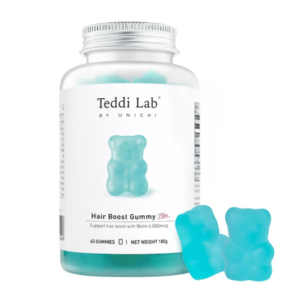
Unichi – Teddi Lab® Gummy Bears Gummy Bears for Hair Growth Upgraded Sea Salt and Green Titanium Flavour 60 Capsules
Original price was: $170.00.$125.00Current price is: $125.00. Add to basket -
Sale!
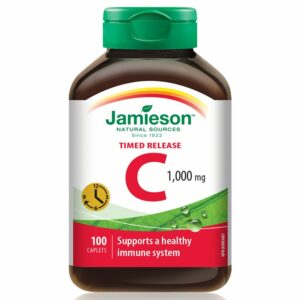
Jamieson – Long Lasting Vitamin C 1000mg 100 Tablets
Original price was: $138.00.$108.00Current price is: $108.00. Add to basket -
Sale!
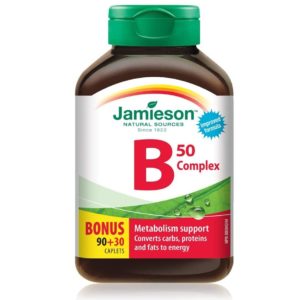
[Two or more bottles of $88] Jamieson – Natural Vitamin B Complex 50 120 capsules
Original price was: $168.00.$98.00Current price is: $98.00. Add to basket -
Related Post:
![| 香港成年人在家閱讀無品牌補充品標籤,桌上有蔬菜與水]()
Hong Kong Liver Health Product Insight Report 2024-2025: Liver-Protecting Formulas Decline, Q10 Increases
![香港成年人在家閱讀與休息,從日常習慣開始理解腦部健康]()
Hong Kong Brain Health Insight Report 2024–2025: Differentiating Fish Oil, Memory Formulas, and Vitamin B12 from 87 Products
![香港上班族在窗邊暫停看屏幕,讓雙眼休息並重新整理眼晴健康選擇]()
Eye Health Insight Report 2024-2025: Beyond Lutein – Fish Oil Accounted for 76.41% of Store Revenue Among 98 Products (TP4T)
![香港家庭查看空氣質素並整理呼吸健康資料]()
Hong Kong Respiratory Health Product Insight Report 2024–2025: Cough, Nasal Allergies, and Sore Throat Are Not the Same Thing