












































[NMN In-Depth Analysis] Why is the scientific community recommending NMN supplementation rather than direct NAD+ supplementation in 2026?
In recent years, "NMN" has almost become synonymous with anti-aging supplements. Its scientific background is not fictional—NMN is indeed a direct precursor to NAD+ (coenzyme I), and NAD+ plays a central role in cellular energy metabolism and DNA repair pathways. However, claims commonly found online such as "activating longevity genes," "repairing damaged DNA," and "the most effective supplementation pathway recognized by the scientific community" are misleading.The mechanisms observed in laboratories and animals were directly presented as established effects on humans.。
This article, based on official and academic sources, explains in order: the relationship between NMN and NAD+, why not directly supplement NAD+, the level of evidence for the mechanism of action, the current status of human clinical research, the recommended dosage, how to interpret "40000/36000" and "WHO certification" on product labels, and the contraindications and drug interactions that must be known.
II. Why not directly supplement NAD+? The practical obstacles to oral NAD+ supplementation.
III. Mechanism of Action of NMN: Sirtuins, DNA Repair, and Energy Metabolism
IV. Where is human research headed? Evidence stratification
5. Who would consider supplementing with NMN? Who should consult a doctor first?
VI. How much NMN should be taken? Commonly used range in clinical studies.
VII. Six Key Points for Interpreting NMN
VIII. Safety, Contraindications, and Drug Interactions
9. How to interpret NMN formulas: Two product examples for reference
10. Current Regulatory Status of NMN: Hong Kong and Major Markets
XI. Frequently Asked Questions (FAQ)
XII. Sources of Information
I. What is NMN? A direct precursor to NAD+.
NMN (Nicotinamide Mononucleotide)It is a derivative of vitamin B3 (nicotinamide), belonging to the nucleotide class, with a molecular weight of approximately 334 g/mol, and is naturally present in most human tissues. Its most closely watched identity is...Direct precursors of NAD+。
NAD+ (Nicotinamide Adenine Dinucleotide, oxidized coenzyme I) is an important intracellular coenzyme, playing a crucial role in its function:
- Energy metabolism:It repeatedly undergoes redox reactions during glycolysis, the tricarboxylic acid cycle, and ATP production.
- The co-acceptor of sirtuins:The SIRT1 to SIRT7 enzyme group requires NAD+ to function and is related to gene expression regulation and mitochondrial function—which is also the origin of the popular term "longevity genes".
- PARP and DNA repair pathway:Poly(ADP-ribose) polymerase (PARP) also consumes NAD+ during DNA repair.
- other:It participates in cellular stress response, inflammatory signaling, and calcium ion transduction.
With age, multiple studies have observed a decline in NAD+ levels in the body, along with changes in mitochondrial function and muscle metabolism. These observations provide a starting point for research into whether supplementing NAD+ precursors is beneficial, but...Observing a correlation does not mean that supplementation can reverse the phenomenon.。
NMN is naturally found in foods such as edamame, cabbage, tomatoes, mushrooms, soybeans, pears, oranges, cherries, shrimp, scallops, beef, and salmon. According to data compiled from a review of human clinical trials, vegetables contain approximately 0.0351 mg of NMN per 100 grams (TP1T = 1.88 mg), fruits approximately 0.0211 mg of NMN per 100 grams (TP1T = 1.6 mg), and seafood approximately 0.0291 mg of NMN per 100 grams (TP1T = 0.51 mg). In other words,The content in food is extremely lowSupplements on the market often contain hundreds of milligrams per pill, which is not in the same range as these two products.
II. Why not directly supplement NAD+? The practical obstacles to oral NAD+ supplementation.
This is a very intuitive question: since the deficiency is NAD+, why not just take NAD+ directly? The answer is...Biological barriersThis is also why global research almost unanimously follows the "precursor route".
- The molecules are too large and carry a charge:NAD+ has a molecular weight of approximately 663 g/mol, which is much larger than the range of small molecules passively absorbed by the intestines. It also carries a negative charge and has extremely low efficiency in penetrating cell membranes.
- It is first broken down in the digestive tract:After oral NAD+ enters the gastrointestinal tract, it is hydrolyzed by extracellular enzymes into metabolites such as nicotinamide, which have largely lost their original form by the time they reach the bloodstream.
- Cells cannot be used directly:Cells do not "transport" NAD+ in, but rather...Synthesized within cellsThe human body relies on the salvage pathway, in which precursors such as NMN, NR, nicotinamide (NAM), niacin (NA), and tryptophan (TRP) enter the cell and are then assembled into NAD+.
A review of human clinical trials published in PMC clearly points out:NAD+ cannot be absorbed orally, nor can it directly penetrate cell membranes.Therefore, increasing the concentration of NAD+ in the body must be achieved by supplementing its precursors.
III. Mechanism of Action of NMN: Sirtuins, DNA Repair, and Energy Metabolism
There is a considerable amount of research on the mechanisms related to NMN, and the research directions are quite concentrated. A summary is as follows—Please note the differences in the level of evidence for each mechanism.:
| Mechanism direction | content | Evidence levels |
|---|---|---|
| Increase NAD+ level | After oral administration of NMN, the concentration of NAD+ in the blood and some tissues increases. | Human studies have observed(Consistent across multiple randomized controlled trials) |
| Sirtuins path | NAD+ is a co-receptor of SIRT1–SIRT7 and is associated with gene expression regulation and mitochondrial formation. | The mechanism is clearly defined;Mostly from cell and animal research |
| DNA repair | PARP relies on NAD+ for DNA repair; in animal models, decreased NAD+ levels are associated with weakened repair capacity. | Cell and Animal ResearchThere is no direct evidence that supplementing the body improves its repair capabilities. |
| Mitochondria and Energy Metabolism | Animal studies have shown that NMN supplementation is associated with improved mitochondrial function and glucose metabolism. | Animal-basedInconsistent results of human metabolic indicators |
| Muscle and athletic performance | Animal models showed improved exercise endurance and muscle strength. | Animal researchA meta-analysis of individuals aged 60 and older has not yet yielded consistent results. |
IV. Where is human research headed? Evidence stratification
Human studies on NMN have accumulated rapidly in the past five years, with dosages ranging from 150 mg to 1,200 mg daily, and study periods mostly ranging from 4 to 24 weeks. It's clearer to analyze the current results in three layers:
(1) Consistent observation: elevated NAD+ levels in the blood.
Multiple randomized, double-blind, placebo-controlled trials have observed an increase in NAD+ levels in blood or peripheral monocytes after oral administration of NMN. A study published in 2022... Frontiers in AgingFor example, in a multicenter trial involving 66 healthy adults aged 65 years with 401 TP4T, after 300 mg daily for 60 days, serum NAD+/NADH increased by approximately 381 TP4T from baseline; during the same period, the placebo group increased by 14.31 TP4T.The difference between groups was not statistically significant.The authors also clearly stated in their paper that larger-scale, higher-dose, and longer-term trials are needed to draw definitive conclusions. This study also demonstrated good tolerability.
(2) Positive signals are concentrated in specific groups and indicators
Some individual trials have shown several noteworthy positive signals, but these are all limited by population or indicator:
- Muscle insulin sensitivity:A 10-week randomized, double-blind trial published in *Science* in 2021, involving 25 postmenopausal, overweight or obese women with prediabetes, showed improvements in muscle insulin sensitivity and insulin signaling as measured by the hyperinsulin-eukocyte clamp technique after daily administration of 250 mg of NMN. Upregulation of gene expression associated with muscle remodeling was also observed. This is currently the most robust human evidence in terms of mechanism, but it is...Specific ethnic groups, small sample size。
- Physical fitness indicators:A systematic review (10 randomized controlled trials, 437 participants, daily dose of 150–1, 200 mg, followed by 6–1 for 24 weeks) reported an average improvement in grip strength of approximately 0.6 kg.Not statistically significantHowever, some individual trials showed positive results—young athletes showed dose-related improvements in aerobic capacity at daily doses of 300, 600, and 1,200 mg; another result was that a 250 mg dose over 12 weeks resulted in better standing test results and a 900 mg dose resulted in better six-minute walking distance than a placebo.
- Sleep and other:Some trials have shown trend signals in sleep quality and arteriosclerosis indicators, but these have not yet reached statistical significance, and related research is still accumulating.
(3) Further research is needed: Muscle mass and muscle strength
A systematic review and meta-analysis published in the *Journal of Cachexia, Sarcopenia and Muscle* in 2025 specifically examined the effects of NMN and NR on skeletal muscle in individuals aged 60 and older. Results showed improvements in key indicators such as skeletal muscle index, hand grip strength, gait speed, and the five-stand test.No statistically significant effect was observed.The authors conclude that current evidence does not support the use of NMN/NR to maintain muscle mass and function in adults over 60 years of age; they also point out that future research should focus on dosage, baseline NAD+ levels before supplementation, and the combined effects with interventions such as exercise.
The key message here is not "NMN is useless," but rather...The maturity of evidence varies greatly among different indicators.The increase in NAD+ in the blood is relatively established; specific functional indicators such as muscle are still accumulating and are highly correlated with the study population, dosage, and follow-up period.
(4) Security: The most consistent aspect at present
Safety is the most consistent conclusion in the literature. A safety trial involving 31 adults aged 65 years and 201T (20–) was conducted daily... 1,250 mgThe study, conducted over a continuous 4-week period (at the highest dose reported in published trials), maintained hematological, biochemical, and physiological parameters within clinically normal ranges, with no serious adverse events. Several other trials have also reported no serious adverse reactions. However, please note:Existing research periods are mostly 4–12 weeks, and data used continuously over a long period (several years) are still limited.。
5. Who would consider supplementing with NMN? Who should consult a doctor first?
Based on current literature, NMN is mainly discussed in scenarios focusing onCellular energy metabolism and NAD+ levels decline with ageOn this line. The following are common lifestyle scenarios.This is for routine maintenance and is not an indication for a disease.:
- Those with irregular work and rest schedules, who work long hours or shift work;
- Those who are under constant high pressure and have poor sleep quality;
- Those whose diets contain a high proportion of sugar and fat, and who are concerned about metabolic health;
- Those who regularly engage in moderate to high-intensity exercise and focus on recovery and performance;
- For those aged 40 and above who are concerned about cellular energy metabolism and daily vitality.
The following ethnic groupsBe sure to consult a doctor or pharmacist before considering whether to use it.:
- Pregnant women, women planning to become pregnant, and breastfeeding women:Due to limited safety information, it is not recommended to supplement it yourself.
- Under 18 years old:It is not recommended, and most commercially available products are labeled as unsuitable for children.
- Cancer patients, especially those in advanced stages or undergoing chemotherapy or radiation therapy:NAD+ is a coenzyme required for the survival and repair of all cells, including cancer cells. Current in vitro and animal studies suggest that additional NAD+ precursor supplementation may provide metabolic substrates for tumor cells and potentially affect the sensitivity to chemotherapy drugs; however, this remains an area of research, and there are significant differences between different tumor types.There is no unified recommendationIt must be individually assessed by the attending oncologist.
- Patients with chronic diseases and those taking long-term medication:Conditions such as diabetes and liver and kidney diseases require prior evaluation.
- Those preparing to undergo surgery:It is recommended to discuss with your doctor whether it is necessary to pause.
- Short bowel syndrome patients:Some product labels indicate that their use is not recommended.
VI. How much NMN should be taken? Commonly used range in clinical studies.
First, let's clarify one thing:NMN is not an essential nutrient, and no country or international organization has established an official recommended intake (RDA or AI).The "basic effective daily intake of 250 mg TP1T500 mg" circulating online is not an official standard, but rather a statement summarized based on commonly used dosages in clinical studies.
| project | content |
|---|---|
| Clinical study dosage range | Daily dose of 1501 TP1T1, 200 mg; most trials focused on 250–600 mg |
| Highest dose tested | 1,250 mg daily for 4 consecutive weeks (31 people) showed normal safety profiles. |
| Study period length | Mostly 4–24 weeks; long-term data is limited. |
| Official recommended quantity | 無NMN is a raw material for supplements, not an essential nutrient. |
VII. Six Key Points for Interpreting NMN
(1) Confirmed to be β-NMN
The packaging ingredient list should indicate β-Nicotinamide Mononucleotide; the α configuration has lower biological activity, and achieving a high proportion of β-conversion in the manufacturing process is usually one of the quality indicators.
(2) Pay attention to the NMN content of each "capsule", not the large number on the bottle.
Products on the market often use "NMN 40000" or "NMN 36000" as product names. For example, an 82-capsule pack is labeled as 40000, which is approximately 488 mg per capsule; a 90-capsule pack is labeled as 36000, which is approximately 400 mg per capsule (the actual number is subject to the label on the packaging).These figures are the standard way to indicate the total amount in the bottle, not the amount of active ingredient per capsule.It often contains the sum of precursor ingredients from the same series. When purchasing, please look directly for the "NMN milligrams per capsule" on the ingredient list.
(3) Purity should be determined by third-party testing, not just by the label.
NMN is hygroscopic and will degrade into nicotinamide under poor storage conditions, which is why purity and stability data are highly valued. In practice, one should check whether there is a batch inspection report (CoA) issued by an independent third party (rather than the manufacturer's own laboratory), whether accelerated stability test data is provided, and whether the actual content is indicated rather than just the purity percentage.
(4) Pay attention to other NAD+ precursors in the formula.
Some formulations, in addition to NMN, also include precursors such as NR (nicotinamide riboside) or NMNH (dihydronicotinamide mononucleotide), claiming "multi-pathway synergy." This approach is reasonable, but caution is advised:There are relatively more human studies on NR, while there is significantly less human data on NMNH.When selecting ingredients, you can first confirm the actual content of each ingredient.
(5) Claims regarding dosage form technology need to be supported by data.
Claims such as "enteric-coated capsules" and "directly reaching the intestines without being damaged by stomach acid" are part of the manufacturing process. Whether they truly improve absorption should be verified by bioavailability or third-party testing data.
(6) Clarify the meaning of "WHO certification" - this is a common misunderstanding
To determine the actual background of the ingredients, you can look for: whether there are publicly published human clinical studies (which can be checked on PubMed), whether there is third-party testing, whether the New Dietary Ingredient (NDIN) has been filed with the US FDA, and whether it has obtained GRAS certification. These are all verifiable pieces of information.
VIII. Safety, Contraindications, and Drug Interactions
- Common tolerance levels:Most participants tolerated the medication well in clinical trials and no serious adverse events occurred; a small number of people may experience gastrointestinal discomfort (bloating, nausea, diarrhea), headache, etc., which usually improve after adjusting the dosage or the duration of administration.
- Sleep:Some users have reported difficulty falling asleep at higher doses, so it is generally recommended to take it in the morning to avoid taking it close to bedtime.
- Long-term data is limited:Existing research periods are mostly 4–12 weeks, and safety data for long-term continuous use (several years) still need to be accumulated, which is why caution should be exercised when making a selection.
- Cancer and During Treatment:As mentioned earlier, NAD+ is required by all cells, and in vitro and animal studies suggest that precursor supplementation may affect tumor metabolism and chemotherapy sensitivity. Patients with advanced disease or those undergoing treatment should consult an oncologist before self-medicating.
- Drug interactions:NMN may affect enzyme pathways related to NAD+ metabolism, and data on its use in combination with certain medications (including some hypoglycemic agents, anticoagulants, and immunosuppressants) is limited. Those taking this medication long-term should consult a doctor or pharmacist first.
- Before and after surgery:It is recommended to discuss with your doctor whether you need to stop taking supplements.
- Also check the product's labeling:Different formulas have different warnings. For example, some products are labeled "Not suitable for children, pregnant women and breastfeeding people", "Do not take if you have short bowel syndrome", "Do not take if you are sensitive to the ingredients". These are manufacturer safety information that must be followed.
- In parallel with lifestyle:Supplements are part of daily health maintenance, but the effects of sleep, exercise, diet, and stress management on NAD+ metabolism are equally important.
9. How to interpret NMN formulas: Two product examples for reference
The following is a summary of two commercially available formulas.Ingredients, specifications, recommended dosage and precautionsThis will help you compare the ingredients to your needs. Actual ingredients and content are subject to the information on the packaging.
🌟 Gogoherbs 2026 Professional Product Recommendations (including authoritative certifications):
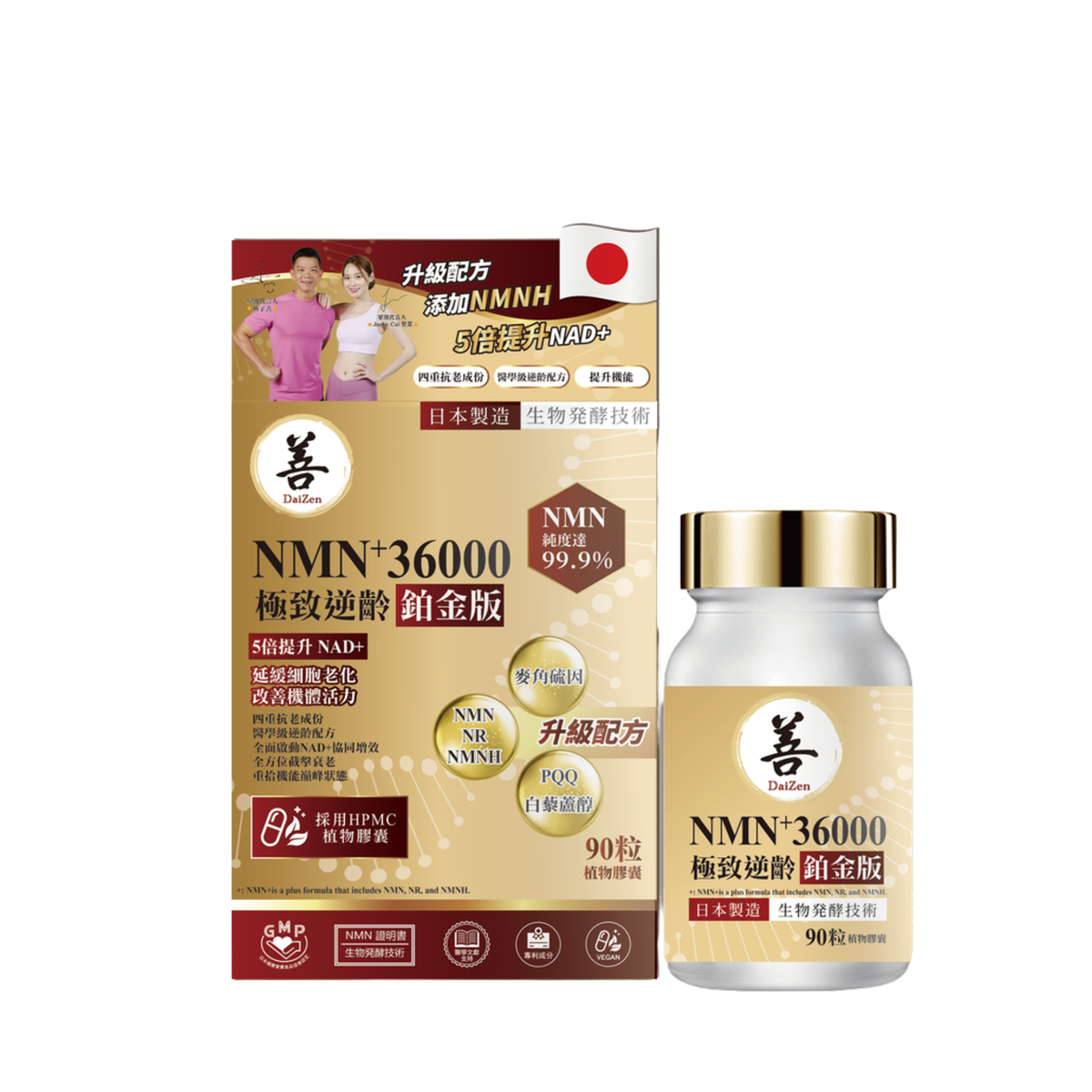
I. Top choice for anti-aging: [Da Shan – NMN+ 36000 Ultimate Anti-Aging Platinum Edition 90 Capsules]
- Authoritative Certification: JapanManufacturing, using bio-fermentation technology.
- Key data: Purity ≥ 99.91 TP4T, Japanese low-temperature whole-enzyme fermentation, no animal ingredients, safe and gentle.
- 2026 Discount Price:HK$999.00Current 。
two.Recommended for its cost-effectiveness: [Chuanyu – NMN 40000+ Platinum Edition 82 Capsules]
- Authoritative Certification: Uthever™ NMN certified by the World Health Organization (WHO)。
- Key data: Each capsule contains up to 450 mg of NMN.It fully activates cells, enhances bodily functions, and helps regain youthful vitality.
- 2026 Discount Price:HK$768.00Current (Original price $899).

10. Current Regulatory Status of NMN: Hong Kong and Major Markets
The positioning of NMN varies greatly in different markets, which is an important background factor to understand when purchasing cross-border products:
| market | Current situation |
|---|---|
| Hongkong | NMN products are generally sold as health supplements.Department of Health's explanationProducts that meet the definition of pharmaceutical products under the Pharmacy and Poisons Ordinance must be registered before they can be sold; generally speaking, products such as vitamins are not usually considered pharmaceutical products. Health food products may not claim to diagnose, treat, or prevent diseases. |
| United States of America | In late 2022, the FDA ruled that NMN was excluded from the definition of a dietary supplement, which led to its removal from major e-commerce platforms. Following petitions and lawsuits from the industry, the FDA responded to the petitions in September 2025 and changed its interpretation. In December 2025, it sent a letter to raw material suppliers confirming that NMN was no longer excluded and restoring its legal status as a dietary supplement ingredient. |
| Japan | In March 2020, β-NMN was included in the "Food and Drug Classification - Non-Pharmaceutical List", which allows it to be used as a food ingredient, but it cannot be claimed to have medicinal therapeutic effects. |
| EU | NMN falls under the category of Novel Food. In May 2026, the European Food Safety Authority (EFSA) issued a positive safety assessment on chemically synthesized β-NMN as a Novel Food ingredient. It is currently in the administrative approval process and has not yet been formally authorized. |
| Mainland China | NMN is not approved for use in domestic food products; consumers can only purchase it through cross-border e-commerce retail import channels. |
| Australia | NMN is listed as an ingredient permitted in therapeutic goods and must comply with specific dosage, population restrictions, and licensing agreements; health supplements are also regulated as therapeutic goods in the local area. |
XI. Frequently Asked Questions (FAQ)
What is NMN? What is its relationship with NAD+?
NMN (β-nicotinamide mononucleotide) is a derivative of vitamin B3 and a direct precursor of NAD+. NAD+ is a coenzyme required for cellular energy metabolism, sirtuins, and DNA repair pathways, and its levels decline with age. Since NAD+ itself cannot be absorbed orally and has difficulty penetrating cell membranes, supplementing with its precursors (such as NMN) and then allowing the cells to synthesize it themselves is currently a more feasible research approach.
Can taking NMN help fight aging?
The current evidence stratification is clear: oral NMN has been observed to increase blood NAD+ levels in multiple randomized controlled trials in humans; its safety profile is also quite consistent. Regarding specific functional indicators such as muscle mass and strength, meta-analyses of populations over 60 years of age have not yet yielded consistently positive results, and related research is still ongoing. NMN can be used as part of daily cellular energy metabolism maintenance, but it should not be considered a definitive means of anti-aging; sleep, exercise, and diet are equally crucial.
How much NMN should I take every day?
NMN is not an essential nutrient, and there is no officially recommended intake. Clinical studies have used a range of 150 mg/day (TP1T1 1,200 mg), with most studies focusing on 250 mg/day (TP1T1 600 mg). The highest tested dose was 1,250 mg/day for 4 consecutive weeks. Because NAD+ synthesis is limited by enzymes, higher doses are not necessarily better. It is recommended to start with a lower dose, take it in the morning, and observe your own response. Those with chronic diseases or taking medications should consult a doctor first.
Is a purity of 99.91% TP4T really that important?
Purity is a concern because NMN is hygroscopic and can degrade into nicotinamide if improperly stored. Therefore, whether the manufacturer provides independent third-party batch testing reports and stability data is more valuable than simply looking at the labeled percentage. It's often said online that "low-purity products significantly increase the burden on the liver and kidneys," but this claim lacks research support. In practice, what really needs to be verified is...Does the actual content conform to the label?1. Whether there are impurities and contaminants.
Is it true that it is "certified by WHO"?
The WHO does not certify health food products or ingredients. According to the official statement of the WHO International Clinical Trials Registry Platform (ICTRP), the WHO itself is not a clinical trial registry, and trial data posted on the platform is not recognized by the WHO. Official terms and conditions also prohibit the use of the WHO name for commercial promotion. "WHO registration" on a product label usually means that its ingredients have been registered for clinical trials on a qualified platform—this indicates that human studies have been conducted.This does not equate to obtaining WHO certification or efficacy approval.。
What are the differences between NMN and NR? Which one should I choose?
Both are precursors to NAD+, but their pathways differ slightly: NR needs to be converted to NMN after entering the cell before NAD+ can be synthesized; NMN is considered to be closer to a direct precursor. There are more human trials of NR, while human studies of NMN have been rapidly accumulating in recent years. Both can increase blood NAD+ levels. Currently, there is insufficient evidence to show a significant difference in efficacy between the two in humans; the choice should be based on individual needs, formulation design, and raw material testing information.
Who should not take NMN?
This supplement is not recommended for pregnant women, women planning to become pregnant or breastfeeding, or individuals under the age of 18. Cancer patients (especially those in advanced stages or undergoing chemotherapy or radiation therapy), patients with chronic diseases, those taking long-term medications, those preparing for surgery, and those with short bowel syndrome should consult a doctor before taking this supplement. If gastrointestinal discomfort or sleep disturbances occur after taking this supplement, it is recommended to adjust the dosage or timing of administration and consult a professional.
XII. Sources of Information
- The Safety and Antiaging Effects of Nicotinamide Mononucleotide in Human Clinical Trials: An Update (PMC Human Clinical Trial Review)—NAD+ cannot be absorbed orally, precursor supplementation pathways, controversies surrounding NMN absorption mechanisms, food content, lack of officially recommended dosage.
- Yoshino et al., Science 2021|Nicotinamide mononucleotide increases muscle insulin sensitivity in prediabetic women—250 mg daily for 10 weeks in postmenopausal women with prediabetes.
- Huang, Frontiers in Aging 2022|Uthever NMN Multicenter Randomized Double-Blind Placebo-Controlled Trial—Analysis of NAD+/NADH and safety results at 300 mg daily for 60 days in 62 participants
- Prokopidis et al., Journal of Cachexia, Sarcopenia and Muscle 2025|A Systematic Review and Summary Analysis of NMN and NR on Skeletal Muscle
- Wen et al. Systematic Review | NMN and Physical Performance (10 randomized controlled trials, 437 participants)
- World Health Organization | International Clinical Trials Registry Platform (ICTRP)—Official statement: WHO is not a clinical trial registry, and the platform's data is not recognized by WHO.
- US FDA | Letter to Raw Material Suppliers dated December 2, 2025 (regulations.gov)— Confirmed that NMN is no longer excluded from the definition of dietary supplements.
- Compilation of NMN Regulatory Status in Various Countries by the World Trade Organization Affairs Center of the Ministry of Commerce of China—Regulatory status and EFSA safety assessment progress in the United States, Mainland China, the European Union, Japan, and Australia
- Hong Kong Department of Health, Drug Office | Supplementary Guidance on the Regulation of Six Types of Health Claims in Oral Products
- Hong Kong Consumer Council | Vitamins and Dietary Supplements Special Report (including opinions from the Department of Health and the Hong Kong Dietitians Association)
- DaiZen Official Product Page | NMN+ 36000 Ultimate Anti-Aging Platinum Edition 90 Capsules—Ingredients, country of origin, recommended dosage and precautions
- TY Science Official Product Page | NMN 40000+ Platinum Edition 82 Capsules—Ingredients, specifications and recommended dosage
- Uthever® Official Website (Effepharm)—Brand ingredient background and publicly available clinical research information
Disclaimer:This article provides information on health and nutrition for reference only and does not constitute medical advice, diagnosis, or treatment. Dietary supplements cannot replace a balanced diet, regular exercise, and a normal sleep schedule, nor are they intended to diagnose, prevent, or treat any disease. NMN products are generally sold as health supplements in Hong Kong and are not registered pharmaceutical products. Pregnant women, breastfeeding women, individuals under 18 years of age, cancer patients, patients with chronic diseases, and those taking long-term medications should consult a doctor or pharmacist before use. If any discomfort occurs, please stop taking the product immediately and seek medical attention.
Related reading:NMNONE 1200: A Trustworthy Anti-Aging Supplement and NAD+ Promoter
Related Products:
-
Sale!
Chuanyu – NMN 40000+ Platinum Edition 82 Capsules
Original price was: $899.00.$768.00Current price is: $768.00. Add to basket -
Sale!
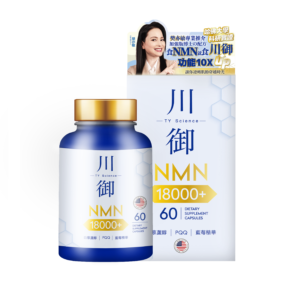
Chuanyu – NMN 18000+ Anti-aging Version 60 Capsules
Original price was: $499.00.$358.00Current price is: $358.00. Add to basket -
Sale!
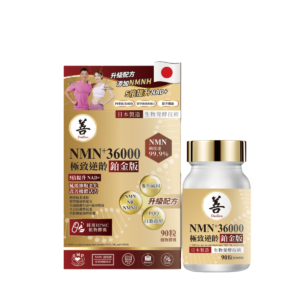
Da Shan – NMN+ 36000 Ultimate Anti-Aging Platinum Edition 90 Capsules
Original price was: $1,980.00.$999.00Current price is: $999.00. Add to basket -
Sale!
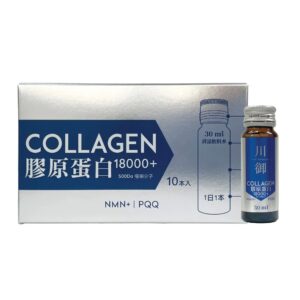
Chuanyu – Collagen 18000+ 10 bottles
Original price was: $239.00.$160.00Current price is: $160.00. Add to basket
Related Post:
![世界心臟日護心飲食場景,香港中年夫婦享用豆漿、豆腐、雞蛋與堅果,旁有心臟及細胞膜卡通示意]()
World Heart Day: Heart Health in Hong Kong Starts with Daily Life | What are the Benefits of Lecithin? Which of Three 1200mg Products to Choose From?
![香港家居餐桌上有人閱讀無品牌補充品標籤,旁邊有蔬菜]()
2024-2025 Gut Health Product Insight Report: How to Choose? First Look at Diet, Then Clarify Five Product Pathways
![| 香港成年人在家閱讀無品牌補充品標籤,桌上有蔬菜與水]()
Hong Kong Liver Health Product Insight Report 2024-2025: Liver-Protecting Formulas Decline, Q10 Increases
![香港成年人在家閱讀與休息,從日常習慣開始理解腦部健康]()
Hong Kong Brain Health Insight Report 2024–2025: Differentiating Fish Oil, Memory Formulas, and Vitamin B12 from 87 Products