






































































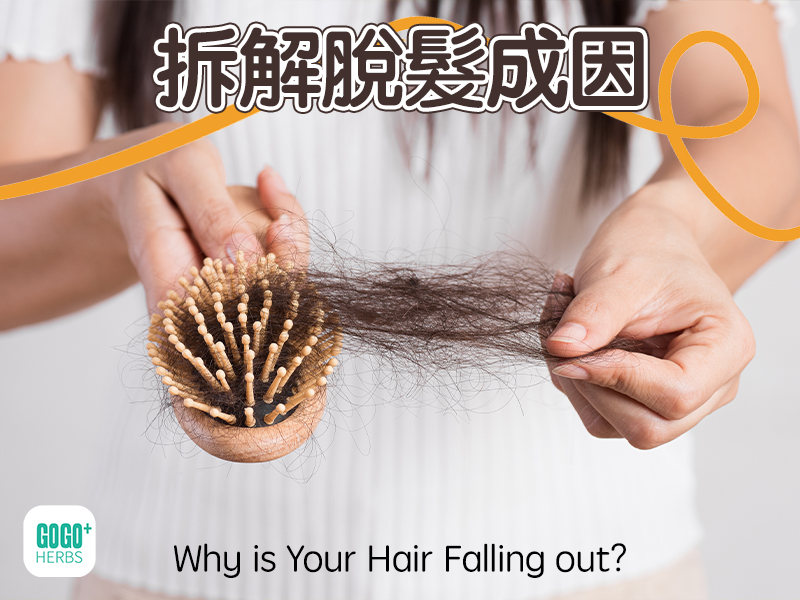
After washing your hair and looking at the hair draining from the tap, most people will have the same question in their mind: Does this count as hair loss? The answer is half good news—losing 50 to 100 strands a day is normal metabolism. If it looks like you've lost a lot on a particular day, it's just that you've washed out all the hair that was already in the resting phase. What you really need to pay attention to are two signs other than the "amount": hair becoming thinner and hair becoming increasingly sparse in a certain area.
Hair loss is not a disease, but a group of conditions with completely different causes. Androgenetic alopecia, alopecia areata, and telogen effluvium have different mechanisms, pathways, and treatments. Mixing them up will lead to the useless conclusion that "it's all just hair loss anyway." The following is arranged in the order that you would encounter in a real consultation: first, how to determine the severity; then, breaking down the three causes one by one; next, medication, shampoos and conditioners, nourishing products, and scalp micropigmentation; and finally, when you should see a doctor.
The medical opinions in this article are from Dr. Hu Huifu, a dermatologist and venereologist (Quay-Research Dermatology Centre). The sources of figures and research are indicated separately for your convenience.
Table of contents
- Hair loss and hair shedding are actually two different things.
- How to count 50 to 100 sticks? Three more practical observations.
- Three common causes, clearly explained in one table
- Androgenetic alopecia: not "excess androgens"
- Alopecia areata (spot baldness): The hair follicles were not destroyed.
- Telogen effluvium: Two to three months after a stressful event
- Other causes to be ruled out
- "Hair follicles shrink after six months" needs to be explained by different types.
- Medication: Androgenetic alopecia
- Medication: Alopecia areata
- Telogen effluvium: Removing the triggers is the main solution
- Hair care: Doing it right versus doing too much
- Hair dyeing and perming cause breakage, not hair loss.
- Ginger, brandy, and anti-hair loss shampoo
- Start at the dining table: protein, iron, zinc
- Nutritional supplementation: When are supplements needed?
- Scalp micropigmentation: Improves appearance without altering hair follicles.
- When should I see a doctor?
- Frequently Asked Questions
- Further Reading
- Source of information
- Health Reminder
1. Hair loss and hair shedding are actually two different things.
The American Academy of Dermatology makes a clear distinction between the two:Hair sheddingIt means that the hair prematurely enters the resting phase from the growth phase and then falls out; the hair follicle itself is not the problem.Hair lossIt means that the hair follicles are blocked from growing for some reason, and the hair cannot grow. The former will usually stop on its own, while the latter usually requires addressing the underlying cause to improve the situation.
This distinction is very useful in clinical practice. Postpartum hair loss, hair loss after a serious illness, or hair loss after rapid weight loss fall into the former category, with a clear timeline and usually recovering within six to nine months. Hair loss that recedes year by year, with the scalp gradually becoming visible on the crown, falls into the latter category and won't stop on its own. Both can also occur simultaneously—for example, someone with androgenetic alopecia might experience both thinning and sudden, significant hair loss after a serious illness.
Dr. Hu Huifu's statement is consistent with this: hair has a metabolic process, with hair falling out and new hair growing every day; the total number of human hairs is about 100,000, with an average of 50 to 100 hairs falling out every day; hair loss is considered to have occurred when the daily loss exceeds 100 hairs, or when the hair becomes thinner.
2. How to count 50 to 100 sticks? Three more practical observations.
50 to 100 roots is an internationally accepted reference value, but nobody actually counts them every day. There are actually several more feasible methods of observation.
2.1 Hair pulling test: Under normal circumstances, no more than two strands should be pulled.
Take a small section of hair (about fifty or sixty strands) from the top of your head and gently but steadily pull it from the root in the direction of growth. A study of 181 people found that, on average, only a few strands are pulled out each time. 0.44 roots,97.2% of people eat no more than two sticks.The study also found that,The time spent washing and combing your hair does not affect the result.The previous rule that "you cannot wash your hair within five days before the test" can be relaxed. In other words, if you lose more than five or six strands each time you pull your hair, it is worth further examination.
2.2 Don't just look at the number for one day.
Hair loss is significantly higher on days you wash your hair than on days you don't, because the resting hairs that have accumulated in the scalp are washed out all at once; for people with long hair, fifty strands will appear as a large clump; hair loss is also generally more in autumn than in spring. These are all normal fluctuations. What's truly worth recording is...For two or three consecutive weeksIt's about the trend, not the number on a particular day.
2.3 The concept of "from coarse to fine" appeared earlier than the concept of quantity.
The characteristic of androgenetic alopecia is the gradual miniaturization of hair follicles: hairs growing from the same follicle become thinner and shorter with each subsequent growth. This change begins even when the amount of hair loss is still normal, so "softer temples to the touch and noticeably thinner hairs when tied up" are earlier signs than counting the hairs.
A small thing you can do at home:Take a photo of the top of your head and hairline every month from the same location and under the same light source. Subjective feelings are unreliable, but before-and-after comparisons are very reliable. Taking this photo to a doctor is more useful than just talking about it.

3. Three common causes, clearly explained in one table.
| androgenetic alopecia | Alopecia areata (spot baldness) | Telogen effluvium | |
|---|---|---|---|
| mechanism | Hair follicles are sensitive to DHT and gradually become miniaturized. | The autoimmune system attacks hair follicles in the growth phase. | A large number of hair follicles prematurely enter the resting phase. |
| Appearance | A receding hairline (M-shaped forehead) and thinning hair on the crown; in women, this is often diffuse thinning on the crown while the hairline remains intact. | Well-defined circular bald patches with smooth skin | The overall bald patches become thinner and less noticeable, and fixed bald spots will not appear. |
| Timeline | Several years to ten years, gradually | It suddenly appeared several days to several weeks ago. | About two to three months after the trigger |
| Hair follicle status | Miniaturized, but still in | Inflammation, but stem cells preserved | It's normal, the cycle is just disrupted. |
| Will it get better on its own? | No, it will only become more and more obvious. | Partial meetings, depending on the scope. | In most cases, after removing the trigger... |
4. Androgenetic alopecia: not "excess androgens"
This is the most common explanation, and also the most vaguely explained. The common explanation is "excessive androgen production in the hair follicles leads to follicle atrophy"—this is a misinterpretation. The patient...Blood androgen levels are usually normalThe problem lies with the hair follicles themselves: the hair follicles in the bald areas of the scalp have...More androgen receptors、High 5α-reductase activityTherefore, the same concentration of testosterone is more efficiently converted into dihydrotestosterone (DHT) locally. DHT has a stronger affinity for receptors than testosterone, which shortens the growth phase and causes hair follicles to shrink in successive cycles.
Understanding this will automatically resolve many questions. Why isn't it a matter of "tonifying the kidneys"? Because it's not a hormone deficiency. Why don't men who are castrated before puberty go bald, or people with androgen insensitivity syndrome? Because the entire process...Androgen receptor activationWhy is Finasteride effective? Because it blocks the conversion of testosterone into DHT.
4.1 Men and women behave differently
In men, hair loss typically begins at the temples, forming an M-shaped hairline, before affecting the crown, clinically described using the Norwood-Hamilton classification. In women, hair loss is more often characterized by diffuse thinning at the crown, with the hairline relatively preserved, and is classified using the Ludwig classification. The rate of hair loss in women increases significantly after menopause.
In terms of prevalence, the difference was greatest among white men: approximately50% are over 50 years old、Eighty percent are around seventy years oldAffected; approximately 42% are women. The rate is lower among Asians, but the trend is consistent and also increases with age. If the father is bald, the relative risk for his son is about the same as the general population. 5 to 6 times。
4.2 What did that thirty-year-old patient illustrate?
Initially attributed to lack of sleep and high work pressure, it turned out that the father and brother had the same issue—the key point of this case is not "stress can cause hair loss," but rather...Stress can coexist, but it is not the primary cause.When there is a clear family history of hair loss and the hair loss presents a typical pattern, even if life stress is really high, simply adjusting your lifestyle will not change the course of the disease.

5. Alopecia areata (spot baldness): The hair follicles have not been destroyed.
Alopecia areata is caused by the autoimmune system attacking hair follicles in the growth phase, causing hair to suddenly stop growing. It typically presents as well-defined, circular bald patches with smooth, non-scaly skin, and short, broken hairs ("exclamation mark" hairs) at the edges. Some people experience itching or stinging before the bald patches appear. Pitting on the nails is a common accompanying sign and a useful clue.
Prevalence rate approximately 0.1% to 0.2%Lifetime risk 1.7% to 2%.about 5% It can progress to total baldness (alopecia totalis) or universal baldness (alopecia universalis). Some literature estimates the upper limit to 10% - the original "about 10%" is the upper limit, not the average.
Is it related to stress? Yes, but the causal relationship is not established. Stress can be one of the triggering factors, but it is not the only explanation, so alopecia areata should not be taken as proof of "extreme stress," nor should you blame yourself.
5.1 The statement "Half of the people will recover within a year" needs to be updated.
Older observational studies have indeed reported this. 34% to 50% The patients spontaneously grew their hair back within a year. However, a systematic review and meta-analysis in 2025, which instead analyzed actual data from the placebo control group—15 studies, 893 patients receiving placebo—resulted in much more conservative results: only a fraction achieved a more than 30% improvement (SALT30). 8.19%Only those reaching over 90% (SALT90) 1.59%。
Both sets of figures are necessary because they answer different questions. The older figures come from outpatient observations, and most cases were mild or localized; the newer figures come from the placebo group in clinical trials, and most cases were moderate to severe. A reasonable interpretation is:Small, single bald patches have a fairly good chance of reversing on their own; however, large, long-standing, or completely bald patches have a much lower chance of reversing on their own.Therefore, the "observe for a year before making a decision" approach is not suitable for everyone, especially for those whose scope continues to expand.
6. Telogen effluvium: Two to three months after a stressful event.
This type of cause and effect is the clearest, but also the easiest to overlook, because by the time hair loss occurs, the culprit has usually already been there for two or three months.
The American Academy of Dermatology lists the following typical triggers:Lose 20 pounds (approximately 9 kilograms) or more.Significant stressors such as childbirth, long-term care for a sick person, divorce, or unemployment; high fever; surgery; recovery from a serious illness (especially if there was a high fever); and discontinuation of birth control pills. In addition, severe infections, malnutrition, and certain medications (such as some antihypertensive drugs, lithium salts, and oral retinoids) can also trigger it.
The postpartum timeline is quite representative: approximately postpartumTwo monthsI've started to experience noticeable hair loss.Four monthsIt reaches its peak around the left and right sides, then decreases as the body adjusts.Six to nine monthsThe thickness has roughly returned to its original level. The original statement that it would "automatically recover after six months" was correct, but in reality, most people take six to nine months. Saying it too quickly might make mothers think that if it hasn't recovered, there's a problem.
If the triggering factors persist (such as long-term caregiver stress or continuous dieting), hair loss can last for months or even years, a condition clinically known as chronic telogen effluvium. The focus of treatment remains the same: identify and remove the triggering factors, rather than constantly changing shampoos.
7. Other reasons to be ruled out
Diffusion alopecia is not necessarily one of the three types mentioned above. The following types should be considered together because their treatments are completely different.
7.1 Medical conditions related to hair loss
Iron deficiency anemia, hyperthyroidism or hypothyroidism, lupus, and chronic diseases such as liver and kidney failure can all affect hair follicle growth. Testing ferritin levels is valuable for patients with diffuse hair loss, as it can rule out iron deficiency; however, it's important to note that ferritin is an acute-phase reactant, and its levels can be falsely elevated when the body is inflamed. Therefore, it's crucial to consider the overall picture, including heme and transferrin saturation, rather than relying on a single number.
7.2 Traction alopecia
Tying your hair too tightly for extended periods or applying pressure to the same spot (ponies, buns, hair extensions, tight headscarves) can cause traction alopecia. This type of hair loss...It is reversible in the early stages.However, continued stress can lead to permanent scarring alopecia. Children and people who maintain the same hairstyle for a long time should pay particular attention; changing hairstyles regularly and reducing the pressure are the most effective ways to prevent this.
7.3 Scarring alopecia: A type that is truly "once missed, can never be regained".
Cicatricial alopecia, such as frontal fibrosing alopecia, involves permanent damage to hair follicles due to inflammation, preventing new hair growth. It is characterized by several features: a receding hairline, smooth and shiny skin, and gradually thinning eyebrows. This type must...ASAPAs assessed by a dermatologist, since existing hair loss will not recur, the goal of treatment is to preserve hair follicles that are not yet affected.
8. "Hair follicles shrink after six months" needs to be explained by different types.
The statement "If hair loss continues for six months, the hair follicles will begin to shrink, and the effect of medication may not be ideal after that" is correct in its direction—early treatment is indeed important—but applying the same six-month timeframe to all hair loss can lead to two misunderstandings: one is that alopecia areata and telogen effluvium are also "hopeless after six months," and the other is that androgenetic alopecia has a clear six-month deadline.
The actual situation needs to be analyzed by type:
- androgenetic alopeciaMiniaturization is a gradual process, measured in years. The earlier the intervention, the more hair follicles can be preserved, but there is no "become ineffective after a certain month or day".
- Alopecia areataThe stem cell area of the hair follicle is usually not destroyed, so even if the area is large, there is still a possibility that it will grow back; however, the longer the course of the disease and the wider the area, the lower the chance of recovery, which is the real reason for "early".
- Telogen effluviumThe hair follicles themselves are normal and will recover after the cause is removed; there is no issue of atrophy.
- scarring alopeciaThis type is truly "once missed, gone forever," and progress can be very fast, so it is most important to identify it as early as possible.
In other words, the reason for "treating it early" is not that "the hair follicles will die after six months," but that "the reversibility window is different for different causes, and the most urgent one is most easily mistaken for ordinary hair loss in appearance."
9. Medication: Androgenetic alopecia
Currently, there are two classes of medications approved by the U.S. Food and Drug Administration (FDA) for androgenetic alopecia, in addition to auxiliary options such as hair transplantation and low-energy laser treatment. Be prepared: the effects of these methods are...Maintenance and ImprovementIt doesn't make hair follicles "regenerate," and it requires continuous use.
9.1 Minoxidil (for external use)
The mechanism of action is not fully understood, but it is known to open potassium ion channels, relax vascular smooth muscle, increase blood, oxygen and nutrient supply to hair follicles, and prolong the growth phase. The explanation of "promoting scalp blood circulation and providing nutrients" is correct, but simply dilating blood vessels is not enough to explain the full effect—it also affects the growth factor and prostaglandin pathways of hair follicle cells.
There are three points to clarify regarding its use:
- It takes about four to six months to see results.This number is often mistakenly interpreted as "it takes a year to be effective," but in fact, four to six months is sufficient.Changes began to appearThe treatment itself takes years.
- To continue usingAfter discontinuing use, the newly grown hair will gradually fall out within a few months, returning to its original state. This is not a "rebound," but rather a loss of support.
- Higher concentrations result in stronger effects, but also increase the chances of irritation, itching, and dry scalp. The concentrations used by women differ from those used by men and should be advised by a doctor or pharmacist based on individual circumstances.
9.2 Finasteride (oral)
它It's not about "suppressing male hormones".Instead, it inhibits 5α-reductase type II, preventing the conversion of testosterone into DHT. The usual dose is 1 mg daily. The effect is more pronounced on the crown than the forehead, and changes are generally seen after four to six months of treatment. Severe cases may require hair transplantation in conjunction with medication—the medication and hair transplantation are complementary rather than replacements: the medication preserves hair follicles that have not yet miniaturized, while the transplantation replenishes areas that have stopped growing.
Three things you must know before using Finasteride:
- Sexual dysfunction side effectsA meta-analysis of 15 randomized, double-blind, placebo-controlled trials involving 4,495 participants showed that 5α-reductase inhibitors increased the risk of sexual dysfunction by approximately [missing information]. 1.57 times(Finasteride alone is calculated as 1.66 times). Most cases improve with continued use, but there are also case reports of persistent effects after discontinuation.
- Impact on prostate cancer screeningThis will lower prostate-specific antigen (PSA) levels by about half. Corrections should be made based on this level when interpreting results; otherwise, detection may be delayed. Men over 50 should inform their doctor that they are taking this medication.
- Women of childbearing age should not come into contact with it.This medication is classified as Pregnancy Category X. Broken tablets can be absorbed through the skin and pose a risk of genital abnormalities to male fetuses. Pregnant women or those planning to become pregnant should not handle broken tablets.
9.3 Female androgenetic alopecia
For women, the first line of treatment is also topical minoxidil. If the effect is insufficient, the doctor may consider anti-androgen drugs (such as spironolactone), which are prescription and off-label use and require monitoring of blood pressure and blood potassium; Finasteride is contraindicated in women of reproductive age. It is important to note that:Do not buy medicine or increase the dosage on your own.This is especially true for women who plan to have children.
9.4 Hair transplantation and low-energy laser
Hair transplantation involves transplanting hair follicles from the back of the head, which are not sensitive to DHT, to the balding areas. The results are long-lasting, but...It will not stop existing hair from falling out.Therefore, most people still need to use medication. Those with insufficient donor area hair follicle density (generally requiring more than 40 follicular units per square centimeter) may not be suitable. Low-energy laser is an auxiliary option; some studies show it can increase hair volume, and its effects are gentler than medication, making it a supplement for those who are not suitable for medication.
10. Medication: Alopecia areata
For small, localized patches of alopecia areata, the first-line treatment is topical or injectable steroids, which work by suppressing inflammation around the hair follicles. Injections are typically given every four to six weeks, and new hair growth usually begins to appear after about four to six weeks. For larger or rapidly progressing patches, doctors may consider oral steroids, topical immunotherapy, or JAK inhibitors, which have been approved in recent years.
JAK inhibitors represent the most significant advancement of the past decade. For example, two phase III randomized controlled trials of baricitinib (BRAVE-AA1 and BRAVE-AA2, involving a total of 1,200 adults with severe alopecia areata) showed that taking 4 mg up to week 36 resulted in approximately... 38.8% 與 35.9% For those achieving a SALT score below 20 (i.e., scalp hair loss of no more than 20%), the placebo group was respectively 6.2% 與 3.3%This was an option that was practically nonexistent a few years ago in serious cases.
However, these medications are prescribed by specialists and require prior screening (such as tuberculosis and blood tests) and regular monitoring. They also carry risks of infection and blood clots; it's not a "guaranteed cure" situation. Whether a medication is suitable depends on the extent, course of the disease, age, and other conditions, as determined by a dermatologist. Severe cases may also require oral medications or immunotherapy, offering a much wider range of options than ten years ago, but each has its own monitoring requirements.
11. Telogen effluvium: Removing the triggers is the main solution.
This type doesn't require hair regrowth medication. The core of the treatment is to identify and remove the underlying cause: address anemia, adjust thyroid medication, improve diet, slow down weight loss, and manage ongoing stress. After removal, hair usually regrows six to nine months after the surgery or event. If there is no improvement after six months, it's necessary to reassess whether there are still untreated underlying causes, or if it's simply another type of hair loss.
12. Hair care: Doing it right versus doing too much
Let's start with the most common misconception:Washing your hair won't cause you to lose more hair.The hair that falls out during shampooing is hair that was already in the resting phase and would have fallen out anyway; it's just being washed out in a concentrated manner. The hair-pulling test study mentioned earlier also found that the time spent shampooing and combing did not affect the test results. Reducing shampooing out of fear of hair loss can actually lead to a buildup of oil and dandruff, potentially triggering seborrheic dermatitis.
There are a few things worth doing:
- The water temperature should not be too hot.Warm water is sufficient; excessively hot water will dry out and irritate the scalp.
- Massage with your fingertips, not your nails.Scratching the scalp can cause tiny wounds and inflammation.
- First, lather the shampoo in your hands.Apply to the scalp to reduce excessive local concentration.
- Apply conditioner only to the hair strands, avoiding the scalp.Rinse thoroughly; decorative products should be cleaned on the same day.
- Do not use a hairdryer on a high heat setting directly against your scalp.Maintain distance and use medium to low temperatures.
- Do not tie it too tightly for extended periods.Long-term stress on the same spot can cause traction alopecia.
The advice to use a mild, fragrance-free shampoo for sensitive or dry scalps is reasonable. If you have dandruff or seborrheic dermatitis, shampoos containing ketoconazole, zinc pyrithione, or selenium sulfide can help manage your scalp – but it's important to understand that they treat dandruff.Scalp inflammation and dandruffIt's not the hair follicle cycle.
13. Hair dyeing and perming cause breakage, not hair loss.
Bleaching, dyeing, and perming do not directly stop hair follicles from growing. However, it's important to distinguish them more precisely: bleaching, dyeing, and perming cause hair follicles to stop growing.Damaged and broken hair shaftIt may look like hair loss, but the hair follicles are fine, and the broken parts will be replaced by new growth. What really causes hair loss is severe contact dermatitis caused by hair dye (the common allergen is paraphenylenediamine PPD), or secondary bacterial infection after scratching, which damages the hair follicles.
Practical advice: Leave sufficient time between two dyeing/perming treatments, perform a skin sensitivity test, avoid leaving the dye on the scalp for too long, and do not perform the treatment if you have wounds or eczema flare-ups. This will protect your hair quality and reduce the chance of scalp inflammation.
14. Ginger, brandy, and anti-hair loss shampoo
The claim that "ginger contains gingerol, which can promote scalp blood circulation and stimulate hair follicle regeneration" is not only unsupported by evidence, but may even be the opposite. One study used 6-gingerol, the main active ingredient in ginger, in cultured human hair follicles and mice, and found that...inhibitionIt promotes hair growth, inhibits the proliferation of dermal papilla cells, and prolongs the resting phase in mice; the authors conclude that it is closer to a "substance that inhibits hair growth." Another practical risk of vigorously rubbing the scalp with ginger is irritation and contact dermatitis.
There is also no evidence that brandy promotes hair growth. Alcohol can dry out the scalp and hair, and further irritate damaged skin, making the condition worse.
As for anti-hair loss shampoos and conditioners: their role is to cleanse and condition, not to change the hair follicle cycle. Saying "shampoo can't promote hair growth" is inaccurate to mean "shampoo is useless"—good shampoos can reduce scalp inflammation, improve dandruff, and help with overall scalp health; but relying on them to make hair follicles thicken again is beyond their capabilities. Ingredients that can truly change the hair follicle cycle are medications.
Regarding scalp massage, a small study recruited nine men who received a standardized 4-minute massage daily for 24 weeks. The results...Increased hair diameter,butHair volume and growth rate did not improve.Massage can be a relaxing habit that promotes local circulation, but it is not suitable as a method for promoting hair growth.
15. Start at the dining table: protein, iron, zinc
Hair is primarily composed of protein, and hair follicle cell division requires iron, zinc, and various vitamins. This doesn't mean "eating more of a certain food will promote hair growth," but rather...Long-term insufficient intake can affect hair growth.This situation is most common in people who are dieting, have unbalanced diets, are postpartum, or are trying to lose weight rapidly.
The Department of Health's recommendations are very specific: Adults and adolescents aged 12 to 17 should eat at least [amount missing] daily.Two servings of fruit and three servings of vegetables("Two plus three every day"). One serving of fruit is roughly equivalent to one medium apple, two kiwis, or half a bowl of diced fruit; one serving of vegetables is roughly equivalent to half a bowl of cooked melons or a bowl of salad. The reality is that the 2020-2022 Population Health Survey showed that only [a certain percentage] of people aged 15 and over [had certain health conditions]. 1.5% Reaching this level of intake—so the question is usually not "whether to buy supplements," but "whether you are taking them regularly."
For protein, fish, meat, eggs, tofu, and milk are all good sources. The protein content of tofu depends on its firmness: firmer tofu contains [amount missing] per 100 grams. 15 grams or moreGenerally, firm tofu is mostly made in 8 to 11 gramsBetween these, soft tofu is even lower—so pay attention to which type you're referring to when looking at the numbers. As for iron, red meat, dark green vegetables, and legumes all provide it; plant-based iron has a lower absorption rate, so pairing it with vitamin C-rich fruits is better.
What should be avoided is a rapid drop in weight. As mentioned earlier, losing 20 pounds or more is a known trigger for telogen effluvium, so weight management should be slow, with 0.5 to 1 kilogram per week being a more prudent pace.
16. Nutritional Supplementation: When are supplements needed?
Let's clarify the boundaries first:Androgenetic alopecia is not caused by nutritional deficiency, and supplements will not change its course.It cannot replace minoxidil or finasteride. If someone tells you that you can skip medication by taking a certain formula, that statement itself is questionable.
The real place for supplements is in two situations: "insufficient dietary intake" and "specific deficiencies": long-term dieting, poor appetite after childbirth, vegetarian diets with insufficient protein and iron intake, and periods of rapid weight loss. In these cases, focus on restoring your diet first; if diet alone is not enough, using a hair care formula with transparent ingredients as a supplement is a reasonable approach.
| PRODUCTS | Main ingredients (per capsule) | Take daily | Suitable for |
|---|---|---|---|
| Swisse Ultiboost Men's Hair Nourishing Capsules 60 Capsules (SWI021) | Saw palmetto dried fruit 250 mg, biotin, vitamins A/C/D, zinc, copper, manganese, silicon dioxide. | 2 pills | Men who are concerned about scalp and hair health; those with insufficient protein and mineral intake in their diet. |
| Swisse Beauty Women's Hair Nourishing Capsules 60 Capsules (SWI022) | Chasteberry extract 100 mg, grape seed extract 12 g, iron, zinc, biotin, vitamin B5/B12, silicon dioxide | 2 pills | Women whose hair has thinned after childbirth or dieting, and who are also concerned about hair quality and shine. |
| WHC White Moonlight Quadruple Omega Fish Oil 60 Capsules (WHC008) | Each 2 capsules contain 498 mg of Omega-3 (280 mg of EPA, 190 mg of DHA), 200 mg of GLA, and 187 mg of Omega-7. | 2 capsules (for ages 14 and up) | Those who are deficient in daily Omega-3 intake and are concerned about skin and hair condition; not recommended for pregnant or breastfeeding women. |
Dosage reminder:SWI021 contains 37.5 mg of zinc per capsule, take 2 capsules daily. 75 mgThis exceeds the daily upper limit of 40 mg for adults. Long-term daily intake of more than 50 mg can interfere with copper absorption, therefore...Do not take multivitamins, zinc tablets, or other zinc supplements at the same time.If you are currently taking any medication (especially antibiotics, iron supplements, or anticoagulants), consult your doctor or pharmacist first.
There is another point that everyone should know before getting a blood test:High doses of biotin can interfere with tests.The National Institutes of Health (NIH) points out that a single dose of 10 mg of biotin is enough to affect thyroid function tests and can also cause falsely high or low results for 25-hydroxyvitamin D and cardiac troponin. The U.S. Food and Drug Administration has received cases where biotin interference caused falsely low cardiac troponin levels, delaying diagnosis. Therefore, it is advisable to stop taking high-dose biotin supplements for at least several days before a blood test and to inform healthcare professionals. As for biotin itself, current research focuses on deficiency and individual cases; for people with normal diets, the key is to ensure adequate overall intake rather than simply increasing the dose.
17. Scalp micropigmentation: Improves appearance without altering hair follicles.
Scalp micropigmentation (SMP) works on a similar principle to tattooing: dense dotting and coloring is applied to the hairline and sparse areas to simulate the appearance of hair follicles and short hair, making the overall appearance appear thicker.It does not change the state of the hair follicles and does not grow real hair.It belongs to the category of appearance modification.
The pigment will gradually fade with skin metabolism, generally lasting for several years (depending on skin type, pigment, and skincare), or it may only lighten rather than completely disappear. Removal can be done with laser treatment, but it may not be completed in one session. Because it involves puncturing the skin with needles, infection, allergies, and pigment diffusion are all real risks. A survey of patients at a hair loss clinic found that all respondents who had undergone scalp micropigmentation...Non-medical facilitiesThe procedure was performed, and over 80% of those who had never undergone scalp micropigmentation indicated a preference for environments with medical supervision. When choosing a location, hygiene standards and the qualifications of the operators were more important than price.
18. When should I see a doctor?
If any of the following symptoms occur, it's worth making an appointment with a dermatologist rather than simply switching to a different shampoo:
- Daily hair loss exceeding 100 strands for more than two to three weeks
- The appearance of well-defined circular bald patches, or their expansion within a short period of time.
- A receding hairline, sparse eyebrows, and a smooth, shiny scalp (this may be scarring alopecia, and should be addressed as soon as possible)
- Hair becomes thinner and the scalp becomes clearly visible on the top of the head.
- Accompanying symptoms include fatigue, sensitivity to cold or heat, weight changes, joint pain, and skin rashes (which may be related to thyroid issues, anemia, or autoimmune disorders).
- Redness, swelling, pain, pustules, or severe itching of the scalp
- No response after more than nine months postpartum or after a serious illness
- Hair loss or bald patches in children
When you seek medical attention, the doctor may perform a hair pull test, dermoscopy, and, if necessary, blood tests (heme, ferritin, thyroid function, and autoimmune antibodies). Bringing before-and-after photos will be very helpful.
19. Frequently Asked Questions
Does washing your hair every day make hair loss worse?
No. The hair that falls out when you wash your hair is hair that has already entered the resting phase; it would fall out anyway, even if you didn't wash it, while combing your hair or on your pillow. Studies also show that the time spent washing and combing your hair does not affect the results of hair pull tests. On the contrary, not washing your hair for a long time will cause oil and dandruff to accumulate, increasing the chances of seborrheic dermatitis and scalp inflammation. What you really need to avoid is excessively hot water, scratching your scalp with your nails, and not rinsing thoroughly after washing.
The amount of hair loss is normal, but the hair is noticeably thinner. Does this count as hair loss?
Yes. The early characteristic of androgenetic alopecia is "normal number of hairs, but finer texture," because the hair follicles are miniaturizing, and each new hair that grows is finer than the last. In this case, simply looking at the amount of hair loss will miss the problem; you should look at photos comparing changes in hair diameter with those of the crown and hairline. The earlier it is treated, the more hair follicles can be saved.
Will alopecia areata heal on its own? How long will it take?
It depends on the extent. Older observational studies reported spontaneous regrowth in approximately 34% to 50% of cases within a year, but a 2025 meta-analysis of placebo-controlled studies (15 studies, 893 participants) found that only 8.19% experienced improvement of more than 30%. Small, single patches of baldness have a considerable chance of spontaneous reversal; large, prolonged, or total bald patches have a much lower chance. If the bald patch continues to expand, waiting is not recommended.
How long does it take for Minoxidil to show results? What happens if I stop using it?
Initial changes are typically seen after four to six months, not just after two weeks of use. After discontinuing use, the hair sustained by the product will gradually fall out over several months, returning to its original state. Therefore, this is a long-term, consistent approach, and you should carefully consider whether you can tolerate it before starting.
Does Finasteride affect fertility or sexual function?
Finasteride is classified as Pregnancy Category X. Women of childbearing age should not come into contact with broken tablets, as this may affect the development of a male fetus. In men, meta-analysis showed an approximately 1.57-fold increased risk of erectile dysfunction; most cases improved with continued use, but there are also case reports of persistent symptoms after discontinuation. It also reduces prostate-specific antigen (PSA) levels by about half; men over 50 should inform their doctor. Individual risks should be discussed with a doctor before using this medication.
Can rubbing ginger and brandy on the scalp promote hair growth?
There is no evidence to support this. The main active ingredient in ginger, 6-gingerol, actually showed no activity in human hair follicle cultures and mouse experiments.inhibitionHair growth; the alcohol in brandy can dry out the scalp and hair. Both can cause irritation or contact dermatitis, making the scalp condition worse.
Are anti-hair loss shampoos effective?
It's important to distinguish between different uses. Shampoo's purpose is to cleanse the scalp and improve its environment. Formulas containing ketoconazole, zinc pyrithione, or selenium sulfide can treat dandruff and seborrheic dermatitis, contributing to overall scalp health; however, they do not alter the hair follicle cycle and cannot make miniaturized hair follicles grow back thicker. Ingredients that can alter the hair follicle cycle are considered medications and require a doctor's evaluation.
Do hair dyeing and perming cause hair loss?
It won't directly stop hair follicles from growing, but it will cause damage and breakage of the hair shaft, making it appear as if hair is falling out. The real risk is severe contact dermatitis caused by hair dye (common allergen is PPD), or secondary infection after scratching. The recommended approach is to increase the interval between dyeing and perming, perform sensitivity tests, and stop if there are wounds on the scalp or if eczema flares up.
Can taking biotin promote hair growth?
It can be helpful for people who are indeed deficient in biotin, but severe deficiency is extremely rare in people with normal diets. For people with normal diets, current research focuses mostly on deficiency symptoms and individual cases; rather than increasing the dosage alone, it is better to first ensure that the overall diet and other nutrients are sufficient, and if supplementation is necessary, it is more appropriate to choose a hair care formula with complete ingredients. It is also important to note that high doses of biotin can interfere with thyroid function, vitamin D, and cardiac troponin tests, so it should be discontinued and medical staff should be informed before blood tests.
Can scalp micropigmentation replace hair regrowth methods?
No. Hair micropigmentation is a cosmetic procedure that involves pricking and coloring the scalp to mimic the appearance of hair follicles. It will not produce real hair and will not change the hair loss process. The pigment will fade over time and require touch-ups; it can be removed with laser treatment, but this may not be completed in one session. Because it involves puncturing the skin, infection and allergies are real risks, so you should choose a place that meets hygiene standards.
20. Further Reading
- Traditional Chinese Medicine Treatment for Hair Loss and Gray Hair: Liver and Kidney Qi and Blood, Three Herbs and the Liver Risks of Polygonum Multiflorum—From the perspective of traditional Chinese medicine diagnosis, and the safety boundaries of using Polygonum multiflorum.
- Good habits save your hair— This checklist, which organizes personal care and daily life details, is suitable for use as a routine.
- What health supplements should men with hair loss take? The role of nutrients and key points for selection.—The roles of nutrients such as protein, B6, and biotin, and the order in which to purchase them.
- Can biotin promote hair growth? Evidence of efficacy, dosage, and one essential thing to know before a blood test.—The empirical evidence and testing interference of biotin are discussed in more detail.
21. Source of information
- American Academy of Dermatology — Do you have hair loss or hair shedding?(50 to 100 hairs per day; telogen effluvium causes and recovery in 6 to 9 months)
- StatPearls (NCBI Bookshelf) — Androgenetic Alopecia(DHT, 5α-reductase type II, receptor; prevalence; Norwood-Hamilton and Ludwig classification; Minoxidil takes effect in four to six months; Finasteride 1 mg, PSA and pregnancy classification X)
- Kanti V, et al. — Evidence-based (S3) guideline for the treatment of androgenetic alopecia in women and in men(JDDG 2018; White men accounted for up to 80% and women for 42%)
- McDonald KA, et al. — Hair pull test: Evidence-based update and revision of guidelines(J Am Acad Dermatol 2017; 181 people, normally no more than two strands, washing and combing hair do not affect the results)
- Jastrząb-Miśkiewicz B, et al. — Is Spontaneous Regrowth in Alopecia Areata Possible: A Systematic Review and Meta-analysis of Placebo-controlled Studies(Acta Derm Venereol 2025; 15 studies, 893 participants; SALT30 8.19%, SALT90 1.59%; previous observations 34% to 50%)
- King B, et al. — Two Phase 3 Trials of Baricitinib for Alopecia Areata(N Engl J Med 2022; BRAVE-AA1/AA2; SALT ≤ 20 at week 36: 38.8% vs. 35.9%, placebo: 6.2% vs. 3.3%)
- Lee S, et al. — Adverse Sexual Effects of Treatment with Finasteride or Dutasteride for Male Androgenetic Alopecia: A Systematic Review and Meta-analysis(Acta Derm Venereol 2019; 15 RCTs, 4,495 participants; overall 1.57 times)
- Iorizzo M, et al. — Telogen effluvium: a 360 degree review(Ital J Dermatol Venereol 2023)
- Bassino E, et al. — 6-Gingerol inhibits hair shaft growth in cultured human hair follicles and modulates hair growth in mice(PLoS One 2013; Ginger components inhibit rather than promote hair growth)
- Pulickal JK, et al. — Review of traction alopecia in the pediatric patient: Diagnosis, prevention, and management(Pediatr Dermatol 2021)
- Zhang D, et al. — Serum Ferritin Levels: A Clinical Guide in Patients With Hair Loss(Cutis 2023; Limitations of ferritin as an acute-phase reactant)
- Patel DP, et al. — A Review of the Use of Biotin for Hair Loss(Skin Appendage Disord 2017)
- National Institutes of Health, Office of Dietary Supplements — Biotin — Health Professional Fact Sheet(Deficiency syndrome, limited evidence, test interference)
- Koyama T, et al. — Standardized Scalp Massage Results in Increased Hair Thickness by Inducing Stretching Forces to Dermal Papilla Cells(Eplasty 2016; 9 people, 24 weeks, no improvement in hair diameter, hair volume, or growth rate)
- Perceptions and Experiences of Scalp Micropigmentation Among Dermatology Outpatients With Hair Loss — Ann Dermatol 2025
- Prieto-Merino D, et al. (Alopecia areata Epidemiological Review) — Cumulative Life Course Impairment of Alopecia Areata(Prevalence rate 0.1% to 0.2%, lifetime risk 2%, approximately 5% to progress to total baldness)
- Centre for Health Protection — Summary of Healthy Eating Principles(Food portion conversion: one serving of fruit, one serving of vegetables)
- Department of Health— The essential elements of a healthy diet: fruits and vegetables(At least two servings of fruit and three servings of vegetables daily; only 1.5% of adults meet this requirement)
22. Health Reminder
When should you seek medical attention as soon as possible?If you experience widespread bald patches within a short period, continuously expanding bald patches, a receding hairline accompanied by sparse eyebrows, red, swollen, and painful scalp or pustules, or hair loss in children, or hair loss accompanied by systemic symptoms such as fatigue, weight changes, joint pain, and rashes, please call immediately if you experience any emergencies such as difficulty breathing or severe allergic reactions. 999。
This article provides general health education information and should not replace a doctor's diagnosis and individualized advice. Hair loss can have multiple causes simultaneously, and medications (including topical and oral medications) have their own indications, contraindications, and side effects, which should be evaluated by a doctor before prescription. Pregnant women, those planning to become pregnant, breastfeeding mothers, children, the elderly, and those with chronic illnesses should consult a doctor or pharmacist before using any medication or supplement.
This article is for health education purposes only and does not constitute medical diagnosis, treatment advice, or a guarantee of product efficacy. For any health problems and medication decisions, please consult a registered physician, dermatologist, or pharmacist. Product information is subject to the product page and packaging label.
Related Products:
-
Sale!
Swisse – Ultiboost Men's Hair Capsules 60 Capsules
Original price was: $168.00.$118.00Current price is: $118.00. Add to basket -
-
Sale!

Unichi – Teddi Lab® Gummy Bears Gummy Bears for Hair Growth Upgraded Sea Salt and Green Titanium Flavour 60 Capsules
Original price was: $170.00.$125.00Current price is: $125.00. Add to basket -
Sale!

Webber Naturals – Men's Ultra Prostate Formula (1 capsule daily) 180 capsules
Original price was: $298.00.$250.00Current price is: $250.00. Add to basket
Related Post:
![肌酸點食?每日 5 克、100 日份量與選購要點]()
Creatine supplementation? 5 grams daily, 100-day supply, and key points for selection.
![網購保健品付款前,先核對這 8 件事]()
Before paying for health supplements online, check these 8 things first.
![葡萄糖胺軟骨素MSM點揀?食極都痛先檢查每日劑量]()
Glucosamine chondroitin MSM selection? Eating causes pain; first check the daily dosage.
![gogoherbs-mens-hair-cover]()
How to Choose Hair Care Supplements for Men? A Comparison of 8 Biotin, Saw Palmetto, and Collagen Products