


































































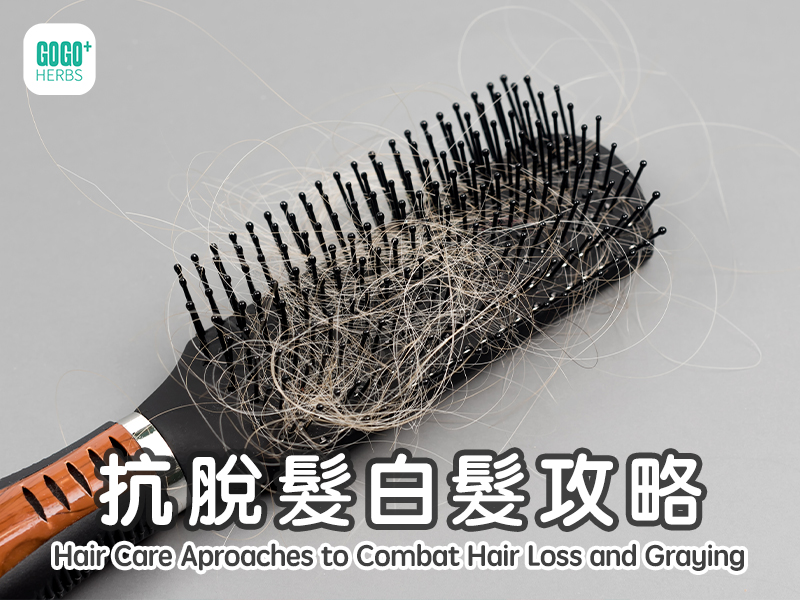
When washing their hair and looking at the clump of hair hanging out of the drain, many people will think the same thing: Is it kidney deficiency?
This idea isn't wrong, it's just jumping off the rails too quickly. Traditional Chinese medicine connects hair with the liver, kidneys, and qi and blood, based on a long period of accumulated observation; it talks about the relationship between the body's condition and hair, not "taking a certain medicine will make your hair grow." There are several steps in between: what type of hair loss do you have, are your hair follicles still there, and are there any other diseases acting at the same time?
First, correct a year that is often mispronounced, and the rest will go much more smoothly.
I. 28 and 32 are not the starting points of decline, but rather the peaks described in the *Suwen*.
The *Huangdi Neijing Suwen* (Yellow Emperor's Inner Classic), in its chapter "On the Primordial Innocence of Antiquity," separates men and women and uses seven and eight as rhythms. The text reads:
| age | woman | age | man |
|---|---|---|---|
| 28 (47) | Strong bones and muscles, long hair, and a robust physique. | 32 (forty-eight) | Strong bones and muscles |
| 35 (Fifth Seven) | When the Yangming meridian weakens, the face begins to turn sallow.The beginning of fall | 40 (58) | Kidney Qi deficiencyHair loss and brittle teeth |
| 42 (six or seven) | When the three Yang meridians are weak in the upper body, the face appears sallow.Hair begins to turn white | 48 (sixty-eight) | When the yang energy is depleted in the upper body, the face becomes sallow.graying temples |
Look closely at this chart: for women aged 28, it says "extremely long hair," and for men aged 32, it says "fully muscular." Both are...The most prosperous yearIt wasn't the year that the decline began.
The phrase "hair begins to fall" is actually written for women at age 35 (when the Yangming meridian declines) and men at age 40 (when kidney qi declines); the phrase "hair begins to turn white" is written for women at age 42 and men at age 48. To describe 28 and 32 as "the body's functions begin to weaken" is like reading a peak as a decline.
This isn't just a matter of age difference; it has two real consequences: people around 30 years old think they've already missed their chance; while those between 35 and 40 years old who are actually starting to lose their hair feel that "it's not my turn yet."
The curves of modern epidemiology generally fall at the same point. About 30% of white men in their 30s, 40% in their 40s, and 50% in their 50s develop male pattern baldness. The overall prevalence is lower in Asia—a national survey in China showed 21.3% for men and 6.0% for women (regardless of age), with women generally developing the condition later than men. The turning point of the curve is not at age 28, but rather in the mid-to-late 30s.
Second, what does "The kidneys store essence, and its manifestation is in the hair" mean?
The *Suwen* (Plain Questions) chapter "On the Six Sections and Visceral Manifestations" states: "The kidney governs hibernation, is the root of storage, and is the abode of essence. Its manifestation is in the hair, and its fullness is in the bones." The *Suwen* chapter "On the Generation of the Five Viscera" also states: "The kidney is associated with the bones, and its manifestation is in the hair."
As for the commonly heard phrase "hair is the surplus of blood," it is not an original sentence from the *Neijing* (Inner Canon of Medicine), but rather a later elaboration. Hua Shou, in his commentary on the *Suwen* (Plain Questions) during the Yuan Dynasty, said, "Hair is the surplus of blood," which was quoted by Li Shizhen in his *Compendium of Materia Medica*, thus solidifying the phrase. Today, placing it alongside "its radiance lies in the hair" is a reasonable arrangement, but the source must be clearly distinguished.
This theory has two layers: kidney essence is related to the rhythm of growth and aging, and liver blood is related to the material basis of nourishment. Clinically, it is further divided into syndromes such as liver and kidney yin deficiency, qi and blood deficiency, damp heat, and blood stasis, and the direction of medication is completely different—two people may receive different prescriptions for the same head of sparse hair.
The overlap with modern language lies in the concept of "sensitivity." Hair follicles are among the most metabolically active tissues in the body, with rapid cell division in the hair matrix. They are sensitive to proteins, iron, zinc, vitamin D, vitamin B12, and thyroid hormones. Iron deficiency, thyroid dysfunction, postpartum conditions, and rapid weight loss can all cause a large number of hair follicles to simultaneously enter the resting phase, which then disappears all at once after two or three months.
People often explain this by saying that "the skin is the last part to receive nutrients." However, the human body doesn't have this specific order of distribution. A more accurate explanation is that hair follicles react earlier to nutrient and endocrine deficiencies, so hair often senses a health problem before the body does. While phenomena can be compared, the mechanisms are not interchangeable—in Traditional Chinese Medicine, "qi and blood" are not synonymous with blood circulation.
Third, first determine which category it falls into before discussing treatment.
Traditional Chinese medicine diagnosis and dermatological classification are two separate languages and cannot be translated one-to-one. In practice, both must be used: first determine the condition of the hair follicles, and then decide on the patient's constitution.
| type | Typical manifestations | progress | Main direction |
|---|---|---|---|
| Male pattern baldness/female pattern baldness | Male: M-shaped forehead, sparse hair on the crown; Female: Widening of the hairline, sparse hair on the crown but retaining the forehead line. | Gradual progression, related to genetics and dihydrotestosterone (DHT) | Topical minoxidil; oral finasteride may be considered for men, but it is not suitable for women. |
| Telogen effluvium | It becomes thinner overall, and a lot of hair falls out when washing or combing it. | It usually appears – months after the event is triggered, and most responses take – months. | Identify triggering factors: iron deficiency, fever, postpartum, rapid weight loss, stress. |
| Alopecia areata | Circular, well-defined bald patches with normal skin appearance. | It can heal on its own, or it can recur or worsen. | Dermatological evaluation; some cases require topical steroids. |
| traction alopecia | Sparse hairline at the forehead, sideburns, and hairline | Early relaxation can restore the hairstyle; long-term relaxation can lead to scarring. | Stop pulling and change your hairstyle |
| scarring alopecia | Red scalp, flaking, pustules, or smooth, poreless scalp | The hair follicles have been damaged and cannot be restored. | Early intervention by dermatologists can control inflammation. |
Of the five types, male pattern baldness and early-stage traction alopecia are "allowing for early intervention to preserve existing hair follicles"; once scarring occurs, the hair follicles are destroyed, and no treatment can revive them. Therefore, the statement "hair follicles still have the ability to grow hair even if they are not completely dead" needs an additional condition:Non-scarringHair loss.
Another practical issue: The "M-shaped" hairline and "Mediterranean" pattern commonly seen in Hong Kong are mostly male pattern baldness, related to genetics and DHT; the female pattern is often characterized by a wider parting line and thinning on the crown. The medication choices for these two types differ; women should not use finasteride. This falls under the category of Western medicine, and traditional Chinese medicine cannot replace it.

4. Gray hair: It's not that the melanin has "run out," it's that stem cells are stuck.
The color of a hair comes from melanocytes at the base of the hair follicle; these cells are replenished by melanocyte stem cells (McSCs) within the hair follicle. A 2023 mouse study published in *Nature* found that McSCs move back and forth between different compartments of the hair follicle, differentiating and dedifferentiating as they move. As hair follicles age, more and more cells become stuck in the bulge area, unable to receive differentiation signals and unable to return to their original positions, resulting in hair that grows without pigment.PMID 37076619)。
Another set of figures can correct a widely circulated claim. It's often said that "half the people have half their hair gray by age 50," but this 50/50/50 rule doesn't hold true in a multinational survey of 4,192 people: only 6% to 23% had at least half their hair gray by age 50, depending on ethnicity and hair color; 74% of those aged 45 to 65 had gray hair, an average coverage of 27%; more men had gray hair than women; and fewer Asians and Africans had gray hair than whites, and it also happened later.PMID 22716034)。
Can gray hair be reversed? A 2021 study reconstructed a timeline using pigment distribution from individual hairs, observing that some gray hairs naturally regained pigment between life events (14 people), and proposed a "threshold-based, temporarily reversible" model.PMID 34155974This shows that gray hair isn't a one-way switch; stress and physical condition do play a role. But it also illustrates another point: currently, no one can specify which method or which section of hair can be turned back to black.
What can be done is to remove the accelerating factors. Repeated plucking of hair in mouse experiments accelerates hair follicle aging—the proportion of stem cells stuck in the ridge area and unable to mature increases from 10% to 50%. So while the idea that "plucking one hair will cause three to grow back" is wrong, plucking gray hairs is definitely not a good habit.
V. The positions of the three herbs: prepared Polygonum multiflorum, Angelica sinensis, and Ganoderma lucidum.
These three herbs are often categorized together in the market as "tonifying the liver and kidneys, and darkening the hair," but their functions, evidence, and risks are not the same.
| medicinal herbs | Traditional Chinese medicine functions | Modern research direction | Common dosage | Main risks |
|---|---|---|---|---|
| Processed Polygonum multiflorum | It nourishes the liver and kidneys, replenishes essence and blood, darkens hair, and strengthens muscles and bones. | Stilbene glycosides (THSG) affect the hair follicle growth cycle and have antioxidant effects in cell and animal models. | Decoct and take – grams. | Liver damageUse with caution if you have loose stools or phlegm; avoid using iron utensils. |
| reunification | It nourishes blood, promotes blood circulation, regulates menstruation, relieves pain, and moistens the intestines to relieve constipation. | Ferulic acid and Angelica sinensis polysaccharides; there are currently no randomized controlled trials in humans for the treatment of hair loss. | Decoct and take – grams. | Concomitant use with warfarin may increase INR; photosensitivity; use with caution in pregnant women. |
| Ganoderma lucidum | Replenishes Qi, calms the mind, relieves cough and asthma | Triterpenoids and polysaccharides (immunomodulation); Human studies without hair growth | Extracts are typically 500 mg to 3 g. | Rare reports of liver damage; possible interactions with anticoagulants and immunosuppressants; must be discontinued before surgery. |
Of the three herbs, only processed He Shou Wu (Polygonum multiflorum) has its traditional function directly listed as "darkening hair," which is why it has long been ranked first. However, its risks are also ranked first, while this is often the least mentioned in popular descriptions.
VI. Liver risks associated with Polygonum multiflorum: How does the Hong Kong government describe this?
This herb is worth examining carefully because it directly contradicts the impression that "traditional Chinese medicine is mild and has no side effects."
The Office of Traditional Chinese Medicine Regulation of the Department of HealthPolygonum multiflorum and processed Polygonum multiflorumIt's written very clearly:
- Polygonum multiflorum and processed Polygonum multiflorumDifferent functions and indicationsPolygonum multiflorum is used for detoxification, reducing swelling, and relieving constipation; processed Polygonum multiflorum is used to nourish the liver and kidneys, replenish essence and blood, darken hair, and strengthen muscles and bones.
- There are three causes of poisoning: excessive or prolonged use; mistakenly taking Polygonum multiflorum as a substitute for processed Polygonum multiflorum; and improper processing of processed Polygonum multiflorum.
- Toxic components areAnthraquinone derivativesIt has a toxic effect on the liver.
- The literature on adverse reactions is mainly found in Polygonum multiflorum.Polygonum multiflorum is more toxic than processed Polygonum multiflorum.。
- Symptoms of poisoning include liver damage (loss of appetite, fatigue, jaundice), upper gastrointestinal bleeding (melena), and photophobia; the treatment is to seek medical attention immediately.
The systematic review yielded more specific figures: 76 articles, 450 cases of liver injury related to Polygonum multiflorum, including 2 cases requiring liver transplantation, 7 deaths, and the remaining 441 cases recovering or improving after discontinuation of the drug and receiving supportive care; symptoms mostly appeared about one month after starting medication.PMID 25648693)。
Translate these into five actionable steps:
- Do not buy long-term medication on your own.Before taking the medicine, a registered Chinese medicine practitioner must first diagnose the patient and record the start date.
- Use processed Polygonum multiflorum, not raw Polygonum multiflorum.These are not the same medicine; their functions and toxicities are different.
- Liver function test before taking the medicationThose who take the medication continuously should have a follow-up examination approximately every four weeks.
- AppearTea-colored urine, yellowing of the whites of the eyes or skin, unusual fatigue, and a significant decrease in appetite.Stop taking the medication immediately and seek medical attention.
- If you are taking statins, antifungal drugs, or some antituberculosis drugs that are metabolized by the liver, consult your doctor or pharmacist first.
One more thing must be made clear: no Chinese medicine should be described as "without side effects." This particular herb has a clear risk to the liver; that's what official Hong Kong data states. Explaining the risks doesn't mean it can't be used, but rather that we need to know how to use it, for how long, and when to stop.
VII. Angelica and Ganoderma: Two Easily Overlooked Interactions
The case report on Angelica sinensis and warfarin is quite typical: a 46-year-old woman, with a stable warfarin dose and controlled INR, self-administered Angelica sinensis for four weeks, and her prothrombin time and INR more than doubled; after discontinuing it for one month, they returned to an acceptable range.PMID 10417036Case reports cannot be taken as incidence rates, but they are sufficient to support the practice that people taking anticoagulants should be asked before adding any traditional Chinese medicine.
The issues with Ganoderma lucidum vary. LiverTox in the US summarized that in small, short-term trials, Ganoderma lucidum was generally well-tolerated, with no significant changes in transaminase levels; however, there were a few reports of liver injury in China, Japan, Thailand, India, and other regions, mostly occurring within one to two months, recovering within one to three months after discontinuation, with an attribution score of "probable but rare."LiverToxThe same document also cautions that the various claimed effects of Ganoderma lucidum still require confirmation through larger-scale and more rigorously designed trials—this is not to deny its research direction, but rather to say that the current scale is insufficient to support exaggerated claims.
In practice, there is another point: if you are preparing to undergo surgery, tooth extraction, or any invasive procedure, you should proactively inform your doctor which Chinese herbal medicines and supplements you are taking, and they will usually advise you to stop taking them in advance.
It is common practice to take Chinese and Western medicines two hours apart, which can reduce the interaction at the gastrointestinal level; however, the help of staggering the time is limited for the interaction of liver enzyme metabolism.

8. Acupressure: How to massage three acupoints
The acupoints Zusanli, Sanyinjiao, and Taichong are frequently mentioned in popular medical texts. Their traditional locations are as follows:
- ZusanliIt is located three inches below the knee joint and one finger-width lateral to the anterior border of the tibia. It belongs to the Stomach Meridian of Foot Yangming and is traditionally used to replenish qi and blood and strengthen the spleen.
- SanyinjiaoLocated three cun above the tip of the medial malleolus, posterior to the medial border of the tibia. It belongs to the Foot Taiyin Spleen Meridian, where the Liver, Spleen, and Kidney Meridians intersect.
- TaichongLocated between the first and second metatarsal bones on the dorsum of the foot, extending from the toes towards the ankle to the depression. It belongs to the Foot Jueyin Liver Meridian.
Technique: Press vertically with the pad of your thumb until you feel a slight soreness but no pain, for 30 to 60 seconds per acupoint, once or twice a day. After pressing, you can gently massage your scalp with your fingertips for about four minutes. Pregnant women should not press the Sanyinjiao acupoint (traditional contraindication). Avoid pressing the affected area if you have broken skin or scalp inflammation.
The evidence needs to be clear: A study of nine healthy men who massaged their scalps for four minutes daily with a standardized device for 24 weeks showed an increase in hair diameter from 0.085 mm to 0.092 mm, but no improvement in hair volume or growth rate, and the study was not blinded.PMID 26904154Acupressure for hair loss is currently based primarily on clinical experience. This doesn't mean it's meaningless, but rather that it should be positioned as a "low-risk adjunct"—it can be done daily at almost zero cost, but it cannot replace diagnosis and proper treatment.
9. Where is the evidence for using traditional Chinese medicine to treat hair loss?
The largest meta-analysis to date included 30 randomized controlled trials and 2,615 patients with male pattern baldness, comparing traditional Chinese medicine (TCM) with conventional medications. The TCM group had a higher overall response rate (OR 3.34, 95% CI 2.75–4.05), lower symptom scores, and no significant difference in adverse reactions (OR 0.55, 95% CI 0.29–1.05, P=0.07).PMID 31781285)。
The numbers look good, but the limitations must be considered: almost all included studies were conducted in mainland China; most outcomes were composite indicators like "efficacy" determined by researchers, rather than standardized measurements of hair density or diameter; descriptions of randomization, blinding, and allocation concealment were generally insufficient; and follow-up periods were short. The authors themselves stated in their conclusions that longer-term, higher-quality trials are needed.
Another review of herbal medicines placed the "more human evidence" position on a turmeric plant (Curcuma aeruginosaSaw palmetto, pumpkin seeds, red clover, and ginseng; Polygonum multiflorum is not at the top of this list, and its evidence mainly remains at the cellular and animal levels.PMID 31680216)。
Putting these two paragraphs together, a more balanced understanding is that preliminary human data has been obtained regarding the auxiliary role of traditional Chinese medicine compound prescriptions in treating male pattern baldness; however, the practice of using single-herb Polygonum multiflorum, fixed dosage, and universal application requires further research and confirmation. This brings us back to the original approach of traditional Chinese medicine—differentiation of syndromes, rather than buying a box of capsules with identical ingredients.
10. What you can and shouldn't do in daily life
shampooWash your hair daily or every other day with lukewarm water, using your fingertips, not your nails. The clump of hair that falls out while washing your hair is resting hair that was going to fall out anyway, not hair that was washed away; rather, it's folliculitis caused by long-term lack of cleaning that really affects the hair follicles.
hairstyleAvoid wearing tight ponytails, braids that cling to the scalp, and hair extensions for extended periods. Pull traction alopecia first appears at the forehead and temples; loosening the hairstyle in the early stages can restore hair, but prolonged exposure can lead to scarring. Styling products are not directly related to hair follicle damage, but not washing your scalp before bed and keeping your scalp covered for extended periods can easily trigger folliculitis and dandruff.
Blow-drying and permingMedium to low temperature, distance of more than 15 centimeters; eight to twelve weeks between dyeing and perming.
NutritionProtein is the building block of hair, and adults need about 0.8 to 1.0 grams per kilogram of body weight daily. Iron, zinc, vitamin D, and vitamin B12 are common deficiencies, with vegetarians paying particular attention to B12. Unless a blood test shows a deficiency, long-term high-dose supplementation is not recommended—fat-soluble vitamins and iron have upper limits.
Sleep and StressLack of sleep and chronic stress can push hair follicles into the resting phase, accelerating graying. There are no shortcuts or substitutes for this.
Quit smokingMultiple observational studies have linked smoking to premature graying of hair, but the causal relationship has not been established. However, there is no shortage of reasons to quit smoking.
Don't pluck gray hairs.Mouse experiments show that repeated plucking accelerates hair follicle aging, causing more stem cells to get stuck in locations where they cannot receive signals.
As for "hair-darkening foods" like black sesame seeds, walnuts, and he shou wu powder, while they may be nutritious foods, they are not a solution for darkening hair. Black sesame seeds are good for consuming due to their calcium and fatty acid content, but their connection to gray hair is another matter; see [link to article].Nutritional comparison between black sesame and white sesame〉。

11. When should I see a doctor, and which specialist should I see?
Let's first look at the dermatology department's situation:
- Sudden, excessive hair loss, exceeding one hundred strands per day, lasting for several weeks.
- Circular, well-defined bald patches, or multiple bald patches appearing in a short period of time.
- Redness, swelling, pain, pustules, or peeling of the scalp, or scarring.
- Accompanied by nail pitting and deformation
- Symptoms include weight changes, sensitivity to cold and heat, menstrual irregularities, and extreme fatigue (which may indicate thyroid problems or anemia).
The doctor may order a complete blood count, ferritin, thyroid function tests, and vitamins D and B12; not all of these are necessary, depending on the situation. The NHS's advice is straightforward: first, consult a doctor to determine the cause, then consider commercial hair regrowth centers.NHS)。
For Traditional Chinese Medicine (TCM), the focus is on diagnosis and medication safety. There are two ways to verify qualifications: check the Hong Kong Chinese Medicine Council website.List of registered TCM practitionersA valid practicing certificate should be posted in the clinic. As of the end of 2022, there were 8,296 registered Chinese medicine practitioners and 2,436 listed Chinese medicine practitioners in Hong Kong. You can also call the Secretariat of the Management Committee to verify (2121 1888).
The division of labor can be understood as follows: medications and hair transplants for male pattern baldness fall under the category of Western medicine, and traditional Chinese medicine cannot replace them; the focus of traditional Chinese medicine is on conditioning the body constitution, sleep, digestive system and overall condition, and it can be used in parallel with Western medicine, but both need to know what you are taking.
If you experience severe allergic reactions such as facial swelling, difficulty breathing, or a full-body rash, call immediately. 999。
Frequently Asked Questions
Is traditional Chinese medicine really effective in treating hair loss?
The largest meta-analysis to date included 30 randomized controlled trials and 2,615 patients with male pattern baldness. The overall response rate in the traditional Chinese medicine (TCM) group was higher than that in the conventional drug group (OR 3.34), with no significant difference in adverse reactions. However, the quality of the included studies was generally low, with outcome measures mostly based on subjective scores and short follow-up periods. A more accurate understanding is that TCM compound prescriptions can be used as an adjunct, and their effectiveness is related to individual constitution and syndrome differentiation, and is not the same for everyone. They cannot replace topical minoxidil or oral finasteride.
Can processed Polygonum multiflorum be taken long-term? How long should it be taken?
Long-term self-medication is not recommended. The Hong Kong Department of Health's Office of Chinese Medicine Regulation states that causes of poisoning from Polygonum multiflorum include "overdose or prolonged use," and that its toxic components are anthraquinone derivatives that can lead to liver damage. If prescribed by a registered Chinese medicine practitioner, liver function should be tested before starting treatment, and follow-up tests should be conducted approximately every four weeks for those taking it continuously. If symptoms such as tea-colored urine, jaundice, unusual fatigue, or a significant decrease in appetite occur, discontinue use immediately and seek medical attention. The duration of treatment is determined by the physician based on diagnosis; there is no universal answer to "completing the course of treatment after three months."
Can gray hair turn black?
Some methods can work, but not with a single approach. A 2023 mouse study showed that gray hair is related to melanin stem cells getting stuck in the hair follicle protuberance and unable to receive differentiation signals; a 2021 human observation recorded that some gray hairs naturally regained pigment between life events, which is considered "temporarily reversible." In practice, address manageable factors first: iron deficiency, vitamin B12 insufficiency, thyroid problems, chronic stress, and lack of sleep; and stop plucking gray hairs, as repeated plucking accelerates hair follicle aging. As for using a specific medicine to turn gray hair black, this is still in the research stage.
Is it too late to start losing hair at thirty?
No. The *Suwen* (Plain Questions) chapter "On the Primordial Innocence of Antiquity" states that women's hair begins to fall out at age 35, and men's hair falls out and teeth become brittle at age 40. Age 30 is still near the peak described in the text. From a follicular perspective, non-scarring alopecia offers the greatest potential for intervention before the hair follicles become fibrotic; starting treatment at age 30 provides more options than starting at age 40. Conversely, what truly warrants attention are "sudden, excessive hair loss" and "circular bald patches." These require prompt medical attention, not the purchase of supplements.
Can traditional Chinese medicine and Western medicine be taken together?
It depends on the specific type. There are case reports of Angelica sinensis (Dang Gui) and warfarin causing INR to more than double when used together; Ganoderma lucidum (Lingzhi) may interact with anticoagulants and immunosuppressants; Polygonum multiflorum (He Shou Wu) itself has hepatotoxicity, and its combination with other drugs metabolized by the liver increases the risk. The general practice is to separate Chinese and Western medicines by two hours, but this only reduces the impact at the gastrointestinal level and offers limited help in addressing interactions caused by hepatic enzymes. The safest approach is to make a list of all medications and Chinese herbal medicines you are currently taking and have it reviewed by your doctor or pharmacist.
I lose a lot of hair when I wash my hair. Is this hair loss?
Not necessarily. A normal person loses 50 to 100 hairs per day; washing and combing only remove hairs that have entered the resting phase. To determine if it's abnormal, look at "how long it lasts" and "whether it's thinning": Further examination is warranted if it significantly exceeds 100 hairs per day for several weeks, or if the parting line widens and dandruff is visible on the top of the head. If accompanied by weight changes, sensitivity to cold or heat, menstrual irregularities, or extreme fatigue, thyroid and iron levels should also be checked.
Source of information
- The complete text of "Huangdi Neijing Suwen: Shanggu Tianzhen Lun" (The Yellow Emperor's Inner Classic: Plain Questions: On the Primordial Innocence of Heaven)Huangdi Neijing Website)
- Hong Kong Department of Health, Office of Chinese Medicine Regulation:Polygonum multiflorum and processed Polygonum multiflorum〉
- Hong Kong Department of Health, Office of Chinese Medicine Regulation:Reference materials on Chinese medicinal herbs that have caused adverse reactions in Hong Kong〉
- Hong Kong Chinese Medicine Council:Verification of the list of registered TCM practitioners and their practice certificates
- NHS:Hair loss
- Sun Q, Lee W, Hu H, et al. Dedifferentiation maintains melanocyte stem cells in a dynamic niche. Nature 2023;616:774 – 782 (PMID 37076619)
- Panhard S, Lozano I, Loussouarn G. Greying of the human hair: a worldwide survey, revisiting the ’50’ rule of thumb. Br J Dermatol 2012PMID 22716034)
- Rosenberg AM, Rausser S, Ren J, et al. Quantitative mapping of human hair graying and reversal in relation to life stress. eLife 2021;10:e67437(PMID 34155974)
- You Q, Li L, Ma X, et al. Meta-Analysis on the Efficacy and Safety of Traditional Chinese Medicine as Adjuvant Therapy for Refractory Androgenetic Alopecia. Evid Based Complement Alternate Med 2019;2019:9274148(PMID 31781285)
- Lei X, Chen J, Ren J, et al. Liver Damage Associated with Polygonum multiflorum Thunb.: A Systematic Review of Case Reports and Case Series. Evid Based Complement Alternate Med 2015;2015:459749 (PMID 25648693)
- Zgonc Škulj A, Poljšak N, Kočevar Glavač N, Kreft S. Herbal preparations for the treatment of hair loss. Arch Dermatol Res 2020;312(6):395 – 406(PMID 31680216)
- Koyama T, Kobayashi K, Hama T, et al. Standardized Scalp Massage Results in Increased Hair Thickness. Eplasty 2016;16:e8(PMID 26904154)
- Page RL, Lawrence JD. Potentiation of warfarin by dong quai. Pharmacotherapy 1999;19(7):870 – 876(PMID 10417036)
- LiverTox: Clinical and Research Information on Drug-Induced Liver Injury — Lingzhi, Reishi(NIH, updated 2024-10-05)
Further Reading
- Disassembling the causes of hair lossA dermatologist discusses how to assess daily hair loss.
- Good habits save your hairHair care and daily life details
- What health supplements should men with hair loss take?The roles of protein, biotin, and vitamin B6
- 5 Natural Ways to Prevent Male Pattern BaldnessGenetics, hormones, and daily habits
- What to do about hair lossAppearance pressure and psychological adjustment
Disclaimer
This article is a compilation of health information and does not constitute medical diagnosis, medical advice, or personalized recommendations. Everyone's hair loss type, constitution, liver and kidney function, and current medications are different. Prescriptions and dosages of any Chinese herbal medicines should be determined by a registered Chinese medicine practitioner on an individual basis, and should be discussed with a Western medicine doctor. If you experience jaundice, dark urine, unusual fatigue, persistent abdominal pain, or severe allergic reactions such as facial swelling or difficulty breathing, please seek immediate medical attention or call 999.
Related Products:
-
Sale!

Unichi – Teddi Lab® Gummy Bears Gummy Bears for Hair Growth Upgraded Sea Salt and Green Titanium Flavour 60 Capsules
Original price was: $170.00.$125.00Current price is: $125.00. Add to basket -
Sale!
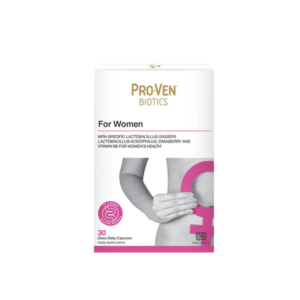
ProVen – Women's Dedicated Probiotic + Cranberry 3600 30 Capsules
Original price was: $198.00.$138.00Current price is: $138.00. Add to basket -
Sale!
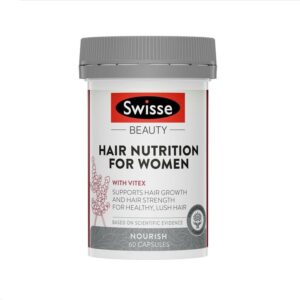
Swisse – Beauty Women's Hair Nutritional Capsules 60 Capsules
Original price was: $168.00.$118.00Current price is: $118.00. Add to basket -
Sale!

Unichi – Teddi Lab® Smokamine Whitening Gummy Bears Jasmine & Grapefruit Flavour 60 capsules
Original price was: $170.00.$125.00Current price is: $125.00. Add to basket
Related Post:
![肌酸點食?每日 5 克、100 日份量與選購要點]()
Creatine supplementation? 5 grams daily, 100-day supply, and key points for selection.
![網購保健品付款前,先核對這 8 件事]()
Before paying for health supplements online, check these 8 things first.
![葡萄糖胺軟骨素MSM點揀?食極都痛先檢查每日劑量]()
Glucosamine chondroitin MSM selection? Eating causes pain; first check the daily dosage.
![gogoherbs-mens-hair-cover]()
How to Choose Hair Care Supplements for Men? A Comparison of 8 Biotin, Saw Palmetto, and Collagen Products