
































































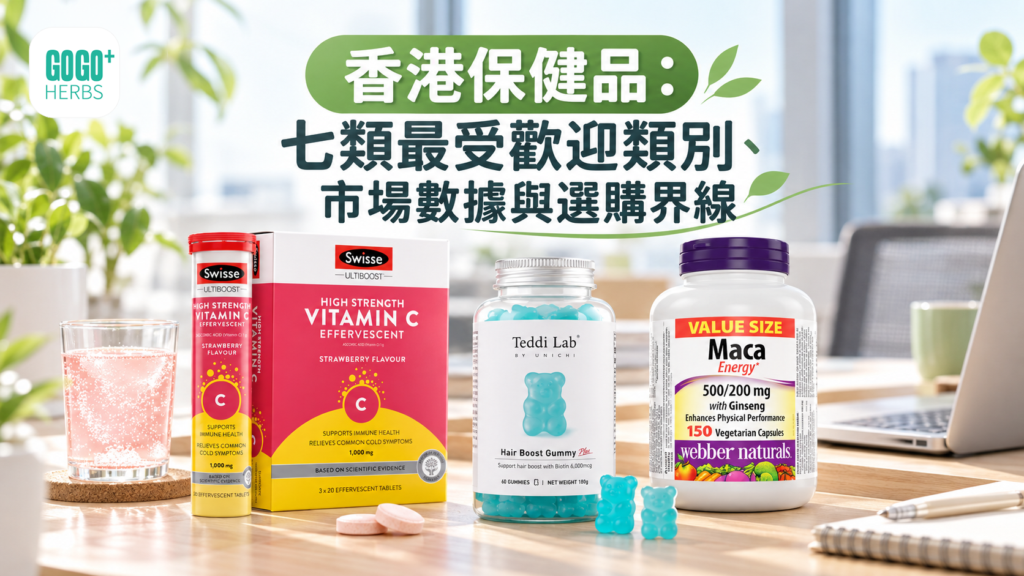
Here's the answer. According to the latest large-scale survey across Hong Kong, the percentage of Hong Kong adults who have taken health supplements in the past six months is... 62.9%This translates to approximately 3.939 million people; the three most popular categories are, in order:Vitamins and minerals (56.21 TP4T), probiotics (36.81 TP4T), Chinese health supplements (26.81 TP4T)Average monthly expenditure per person HK$781.59The total expenditure for the first half of the year is estimated at approximately HK$18.5 billion.
But "many people taking it" and "it suits you" are two different things. Bestseller status only indicates widespread demand, not that a particular bottle, drug, or medical record is suitable for your constitution, or for your specific needs. This article will break down the seven main categories of choices one by one: who is taking it, why it is popular, what to actually pay attention to, and replace empty talk like "the market is booming" with data from the same survey.
At the same time, several widely circulated claims need to be corrected: Hong Kong health productsThere is no such thing as "legal certification".Vitamin C is not "without side effects"; oral hair growth gummies supplement nutrients, not treat hair loss; pain relief ointments and cooling oils have clear restrictions for young children and people with G6PD deficiency (favism).
| category | Main users | The most important thing to pay attention to |
|---|---|---|
| Vitamins and minerals | Long-term users are the most numerous across almost all age groups. | Fat-soluble vitamins can accumulate; effervescent tablets contain sodium and sugar alcohols. |
| probiotics | Pay attention to the digestive system, immunity, and post-antibiotic recovery. | Its effects are strain-specific; the word "probiotic" alone is not enough. |
| Chinese health food and traditional Chinese medicine | Middle-aged and elderly people, those recovering from illness, and those with weak constitutions | Traditional Chinese medicine preparations must be registered; they may interact with Western medicines such as blood thinners. |
| Herbs and adaptogens (Maca, Ginseng) | Working professionals, athletes, and those around menopause | Ginseng affects blood sugar, blood pressure, and blood clotting; some people should avoid it. |
| Beauty, skincare and oral hair care | Men and women aged 20 to 50 | Topical applications only work on the surface; evidence for oral cosmetic and hair health benefits is mixed. |
| Health monitoring device | Athletes, the elderly, and families with chronic illnesses | Screening tools should not be used as diagnoses. |
| Traditional household topical medicated oils | Almost every family medicine cabinet has one. | Camphor poses risks to children under 2 years old and those with G6PD deficiency. |
First, let's look at the data: How do Hong Kong people actually buy and eat?
The following figures are from a citywide telephone survey conducted by the Hong Kong Institute of Asia-Pacific Studies at the Chinese University of Hong Kong, commissioned by the Hong Kong Health Food Association, from May to July 2024. 1,005 citizens aged 18 and above were successfully interviewed. This is currently the most representative and publicly available survey of its kind, and is more reliable than any "understandable" or "industry estimate."
| project | number |
|---|---|
| Have you taken health supplements in the past 6 months? | 62.9%(Approximately 3.939 million people) |
| Able to clearly distinguish between health food and non-health food | 83.7% |
| Most popular category: Vitamins and minerals | 56.2% |
| probiotics | 36.8% |
| Chinese health food | 26.8% |
| Take daily | 50.6% |
| When choosing a product, "efficacy" is the most important factor. | 58.5%; secondly, price/performance ratio 35.1%, reputation 25.4%. |
| Average monthly expenditure | HK$781.59 (Chinese style $904.54 / Western style and others $577.00) |
| Estimated total expenditure for half a year | Approximately HK$18.5 billion |
| Purchase channels | Chain stores: 49.61 TP 4T; Brand specialty stores: 22.41 TP 4T; Pharmacies: 20.41 TP 4T |
| Information source | Friends or family: 42.11 TP4T; TV: 27.41 TP4T; Social media: 27.21 TP4T |
| I bought more after the pandemic / I'm more concerned about immunity | 23.0% / 29.8% |
Three signals are worth noting. First,"Efficacy" outweighs priceNearly 60% of respondents prioritized efficacy, but at the same time, their primary source of information was friends and family (42.1%), not professionals. This indicates that many purchasing decisions are based on word-of-mouth, which easily equates "someone found it good" with "effectiveness." Secondly,Nearly half of the people still buy from chain storesHowever, the online proportion continues to rise, making it easier to compare prices and ingredients, and increasingly requiring consumers to be able to read labels. Third,More than half of the daily usersLong-term use means cumulative and interactive risks, rather than a "one or two times" problem.
II. Vitamins and minerals: The largest category, and also the easiest to overeat.
The usage rate of 56.2% makes it the most popular type in Hong Kong, with products ranging from single-ingredient vitamin C costing tens of dollars to multivitamins costing hundreds of dollars. The advantage of its widespread use is price transparency, but the disadvantage is that it is very common to "take multiple bottles at once".
| Things to be aware of | Why |
|---|---|
| Take multiple multivitamins at the same time | Fat-soluble vitamins (A, D, E, K) can accumulate in the body, and taking them in combination can easily lead to excessive levels. |
| Long-term high-dose vitamin C | The daily upper limit for adults is generally set at 2,000 mg; those who exceed this limit should be especially cautious if they experience common diarrhea, gastrointestinal discomfort, or a history of kidney stones. |
| Effervescent tablets | Each tablet contains acidity regulators (such as sodium bicarbonate) and sugar alcohols; sodium and gastrointestinal tolerance must be calculated; some formulas contain barley (gluten). |
| Calcium, magnesium, and iron taken together | Minerals compete with each other for absorption; iron supplements should especially be taken as directed by a doctor and should not be taken long-term on your own. |
| Taking medication | Calcium can affect the absorption of some antibiotics and thyroid medications, usually requiring an interval of more than two hours. |
The practical advice is simple:Get a blood test first, then decide whether or not you need supplements.In particular, vitamins D, B12, and iron cannot be judged by feeling; long-term high-dose supplementation even when there is no deficiency can not only cost money but also bring unnecessary risks.
3. Probiotics: Fastest growth, but it depends on the strain.
With a usage rate of 36.81% for TP4T, probiotics have become the second largest category. Its popularity has practical reasons: common scenarios for consumption include after antibiotic treatment, during travel, and during recurring gastrointestinal discomfort. The problem lies in the fact that "probiotics" is a category name, not an ingredient.
- Strains are more important than strainsDifferent strains of the same species can have completely different effects. The label should include the strain number (e.g., ...). Lactobacillus rhamnosus (GG), instead of just writing "lactic acid bacteria".
- Bacterial count is not the only indicatorThe number of bacteria at the time of manufacture and the number of live bacteria on the expiration date are two different things. Whether the packaging indicates the "number of live bacteria on the expiration date" is more valuable than the advertised "50 billion".
- People with immunosuppression should be careful.Those undergoing chemotherapy, post-organ transplant, long-term use of immunosuppressants, or with a central venous catheter must consult a doctor before taking this medication.
- Not every gastrointestinal problem is suitable forPersistent abdominal pain, weight loss, bloody stools, and fever are warning signs that require examination and should not be treated with probiotics on your own.
IV. Chinese Health Foods and Traditional Chinese Medicine: These have the deepest roots and require the most thorough registration checks.
The usage rate of 26.81 TP4T, coupled with an average monthly expenditure of 904.54 HKD per 1 TP5T (significantly higher than the 577.00 HKD per 1 TP5T for Western supplements), indicates that Hong Kong people are willing to pay a higher price for Chinese-style health supplements. The purchasing logic for this type of supplement differs from that for Western supplements.Looking at the registration process is more important than looking at the advertisements.。
In Hong Kong,Traditional Chinese medicine preparations must be registered.The packaging should have a registration number (HKC/HKP, etc.) and be regulated by the Chinese Medicine Ordinance; relevant requirements can be found online.Chinese medicine regulatory system of the Hong Kong Chinese Medicine CouncilAs for general "health food products," Hong Kong does not have a specific registration system, which will be explained in detail in Section 10.
Another commonly used term needs to be corrected:The "detoxification" in "detoxifying herbal tea" is not a modern medical concept.Herbal teas are traditional folk drinks, and some of their ingredients (such as ephedra-like substances and bitter and cold herbs) are not suitable for long-term or excessive consumption. Pregnant women, people with G6PD deficiency (favism), and those with poor liver or kidney function should consult a traditional Chinese medicine practitioner or doctor before drinking them. Furthermore, interactions between traditional Chinese medicine and Western medicine are real—for example, traditional Chinese medicines with blood-activating effects, such as danshen, ginkgo, and angelica, can increase the risk of bleeding when used with blood-thinning medications.
V. Herbs and Adaptogens: The Actual Location of Maca and Ginseng
This category includes ginseng, maca, rhodiola rosea, ganoderma lucidum, schisandra chinensis, etc., often collectively referred to as "adaptogens," which are claimed to boost physical strength, reduce stress, and improve mental well-being. They have a long history of use in Latin America and Asia, but...Human studies are generally small in scale and yield inconsistent results.。
| ingredient | Common claims | Actual situation | Be careful |
|---|---|---|---|
| Ginseng | Boosts energy, combats fatigue, and enhances physical strength | Some small studies support short-term improvements in subjective fatigue; long-term effects have not been established. | It may affect blood sugar, blood pressure, and blood clotting; those taking blood thinners, antihypertensive drugs, hypoglycemic drugs, or digoxin should consult a doctor first. |
| Maka | Improves energy, sexual function, and menopausal discomfort. | Most studies are small-scale and short-term, resulting in inconsistent findings. | People with thyroid problems should be cautious; carefully check the source of the substance and heavy metal testing results. |
| Ganoderma lucidum | Immune regulation and liver protection | Mostly in vitro and animal studies | It may affect blood clotting; it should be discontinued before surgery. |
If you are taking antidepressants, blood thinners, blood pressure reducers, or blood sugar reducers, this type of product is the most likely to cause a "drug clash." Having your entire medication list checked by a pharmacist before purchasing is much simpler than trying to fix it afterward.
VI. Beauty, Skin Care, and Oral Hair Growth Supplements: The Boundary Between External and Internal Use
Hong Kong people, regardless of gender, invest heavily in their skin and hair, which is directly reflected in store shelves: cleansing, toning, moisturizing, serum, and sunscreen are the basic five steps. In recent years, oral collagen, hyaluronic acid, glutathione, and hair-strengthening formulas packaged in gummy bear form have also been added. A few things need to be clarified:
- Topical products act on the stratum corneumMoisturizers increase the hydration level of the stratum corneum, making the skin look plump and reducing the appearance of fine lines. This effect can appear within ten minutes and disappear after washing your face. It improves appearance and barrier function, rather than "eliminating" wrinkles.
- "Organic certification" does not equate to greater effectiveness.Certifications such as ACO and OFC indicate that the raw materials are grown and produced in accordance with organic standards, but are unrelated to therapeutic effects; natural ingredients can also cause allergies.
- Evidence for oral cosmetics is inconsistent.Research on collagen peptides is mostly funded by manufacturers and involves small sample sizes; instead of spending money, it's better to focus on sun protection first—ultraviolet radiation is the most certain factor in skin aging.
- Hair growth gummies are for "nutritional supplementation," not for "treating hair loss."Biotin, zinc, pantothenic acid, and vitamins A, C, and E are involved in the normal metabolism of hair and skin. Supplementation is beneficial if your intake is insufficient. However, male pattern baldness, iron deficiency anemia, thyroid problems, and stress-related hair loss each have their own causes and gummy candies will not solve them. If you experience a significant increase in daily hair loss, localized thinning, or red, itchy, and flaky scalp, you should consult a doctor first.
- Hidden Costs of Gummy FormulationTo make them taste better, most contain sugar alcohols (maltitol, sorbitol, etc.), and excessive consumption at one time can easily cause diarrhea; some formulas use gelatin, so vegetarians should check the ingredients carefully.
- Do a small patch test first if you have sensitive skin.The skin around the eyes is thin; if stinging or redness occurs, discontinue use immediately. If redness, swelling, or peeling persists, consult a doctor.
VII. Health monitoring devices: The data is useful, but the diagnosis is inadequate.
Smartwatches and fitness trackers have become rapidly popular in Hong Kong because they turn the "invisible" into numbers: steps, resting heart rate, sleep duration, and blood oxygen saturation. This data is actually helpful in establishing habits—especially activity levels; many people are seeing for the first time that they only walk 3,000 steps a day.
But the boundaries must be clear:Atrial fibrillation detection in consumer-grade devices is a screening indicator, not a diagnosis.A watch displaying "irregular heartbeat" does not mean you have atrial fibrillation, nor does it mean you don't. If you experience palpitations, dizziness, chest pain, or shortness of breath, you should seek medical attention immediately for an electrocardiogram (ECG) instead of repeatedly checking your watch. Similarly, sleep scores cannot diagnose insomnia or sleep apnea, and blood oxygen saturation readings can be inaccurate when your fingers are cold, when you are wearing nail polish, or when your watch is loose.
8. Household external medicated oils: the most common, but also the easiest to use incorrectly.
Pain-relieving ointments, herbal patches, and cooling balms are staples in Hong Kong family medicine cabinets. They are inexpensive, readily available, and practical for treating headaches, muscle aches, and insect bites. However, they are not things that "make things better faster by applying more."
| ingredient | effect | limit |
|---|---|---|
| Camphor | Cooling sensation, mild pain relief | Not applicable to children under 2 years oldIndividuals with G6PD deficiency (favism) should avoid this treatment; do not apply to broken skin or use over large areas. |
| Menthol | Cooling sensation | Avoid applying to the face of newborns and young children to prevent affecting their breathing. |
| Methyl salicylate | Deep pain relief | Extensive, long-term use may result in skin absorption; it is not suitable for use in large quantities by those taking blood thinning medications or by children. |
Two additional practical tips: Wash your hands after application and avoid rubbing your eyes; do not wear patch products for extended periods while sleeping, and do not use them simultaneously with a heating pad to avoid burns. If you experience a rash, blisters, or breathing difficulties after use, discontinue use immediately and seek medical attention.
IX. Three Common Products: Ingredients, Dosage, and Target Audience
The following three products address the three most common needs mentioned above: daily vitamin C supplementation, hair and skin nourishment, and herbal formulas for physical and mental well-being. Ingredients and specifications are subject to the information on the official website; please see the product page for pricing and availability.
| Swisse High Concentration Vitamin C Effervescent Tablets | Unichi Teddi Lab Hair Growth Gummy Bears (Upgraded Version) | Vebo Health Maca + Ginseng | |
|---|---|---|---|
| type | Oral supplements (effervescent tablets) | Oral supplements (gummy candies) | Oral supplements (vegetarian capsules) |
| Specification | 1,000 mg x 60 tablets | 60 gummies | 500/200 mg × 150 tablets |
| Each unit of ingredients | Vitamin C 1 gram; sweeteners E967, E420, E955, E960; acidity regulator E500; contains barley. | Biotin, zinc, pantothenic acid, vitamins A/C/E, and Silicassence™ complex; sugar-free, but based on sugar alcohols such as maltitol; contains gelatin. | Maca powder 500 mg, Korean ginseng powder 200 mg |
| usage | Take one tablet daily, dissolved in water. | Take 2 tablets daily, chew. | Take 1 capsule 3 times daily with meals. |
| Suitable | Adults who have difficulty swallowing pills and want to supplement their daily vitamin C intake. | For those who want to supplement hair health nutrients in an easily digestible way and pay attention to hair strength and scalp health | Focus on physical and mental well-being, vegetarians |
| Be careful | Contains sodium and sugar alcohols; those with a history of kidney stones, those who restrict sodium intake, pregnant or breastfeeding women, children, and those taking this medication should consult first. | Excessive sugar alcohol intake may cause diarrhea; contains gelatin (non-vegetarian); not suitable for children under 12; may contain trace amounts of gluten, crustaceans, soy, milk, fish, and tree nuts. | Consult a doctor first if you are taking blood thinners, digoxin, antidepressants, or have endocrine problems; discontinue use if insomnia or anxiety occurs. |
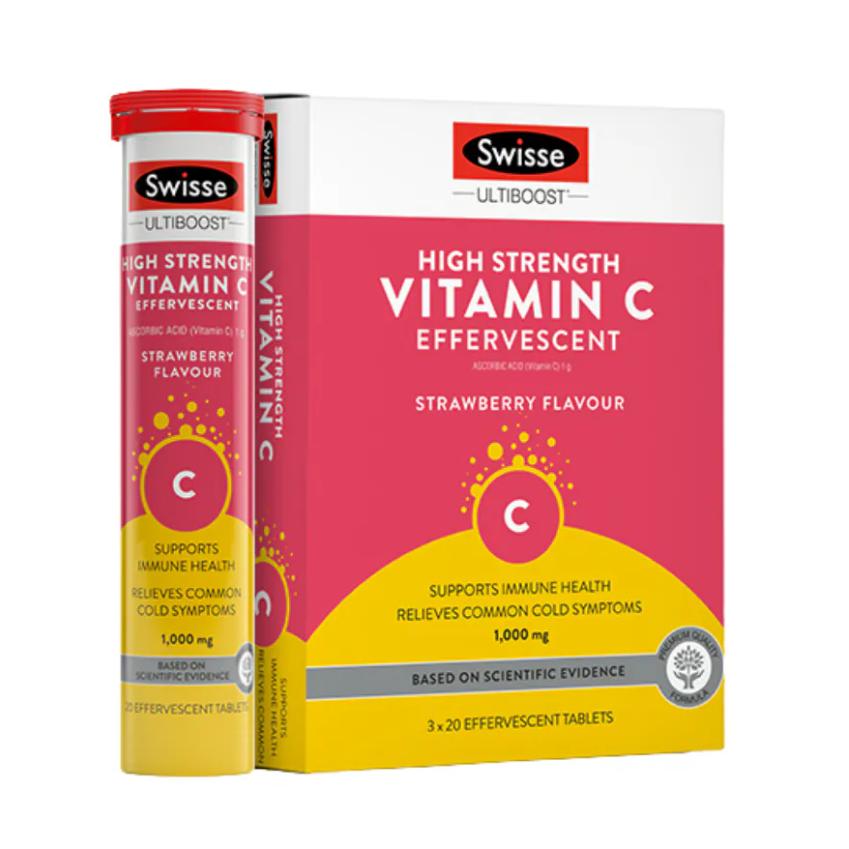
Swisse — High Concentration Vitamin C Effervescent Tablets 1000 mg 60 Tablets
The positioning is clear: to make a daily dose of 1 gram of Vitamin C into an effervescent tablet that can be dissolved in water, suitable for people who can't swallow large tablets. The downside is that the formula includes various sweeteners and acidity modifiers to improve taste.People who need to limit sodium or pay attention to sugar alcohol intake should read carefully.It also contains barley, so those with gluten sensitivity should avoid it. Vitamin C helps the immune system function properly and promotes collagen formation; these are basic functions of nutrients, but eating it doesn't mean you won't catch a cold.
Unichi — Teddi Lab Hair Growth Gummy Bears (Upgraded Version) 60 pieces
The formula combines six hair-related nutrients (biotin, zinc, pantothenic acid, vitamins A, C, and E) with the brand's proprietary Silicassence™ complex, creating a sea salt-flavored gummy. Two gummies are taken daily, suitable for those who can't swallow capsules or don't want to take several pills at once. It's important to clarify that:These are the nutrients needed for normal hair growth; they replenish the "raw materials," not a "treatment."If hair loss is caused by iron deficiency, thyroid problems, or male pattern baldness, gummies alone will not improve the condition; a doctor should be consulted to determine the underlying cause. Additionally, the formula is sugar alcohol-based and contains gelatin (non-vegetarian); excessive consumption can easily cause diarrhea, and it is not recommended for children under 12 years old.

View the ingredients, specifications, and latest price of Unichi Teddi Lab hair growth gummy bears.
Vebogen - Maca + Ginseng 500/200 mg 150 capsules Vegetarian Capsules
Each capsule contains 500 mg of maca powder and 200 mg of Korean ginseng powder. Positioned as a daily support for physical and mental well-being, these vegetarian capsules are vegetarian-friendly. It should be clarified that:Studies on maca and ginseng are mostly small-scale and short-term, with limited evidence regarding their effects on menopausal discomfort and immunity.The real risk lies in the interactions—ginseng may affect blood clotting, blood sugar, and blood pressure. The packaging also states that those taking blood thinners, digoxin, anti-mood drugs, or those with endocrine problems should consult a doctor first; if insomnia or anxiety occurs after taking it, it should be discontinued.

View the ingredients, specifications, and latest price of Vepogen Maca + Ginseng.
10. Selecting Five Inspection Points: The Regulatory Reality in Hong Kong
Let me clarify one thing first, because many advertisements on the market are wrong:Hong Kong does not have specific legislation or registration system for "health food products".Therefore, it's impossible for all supplements to be legally certified. Products may be regulated by the following laws depending on their ingredients and claims:
| Laws/Institutions | Applicable situations |
|---|---|
| Traditional Chinese Medicine Ordinance / Hong Kong Chinese Medicine Council | Traditional Chinese medicine preparations must be registered, and the packaging must have a registration number. |
| Pharmacy and Poisons Ordinance / Department of Health, Drug Office | Products containing pharmaceutical ingredients or making medical claims may be considered drugs. |
| Public Health and Municipal Regulations and related rules | Labels, ingredient lists, and nutrition claims for food products |
| Trade Descriptions Ordinance | False or misleading product descriptions, including exaggerated claims about efficacy. |
Within this framework, there are five practical checkpoints that can be implemented:
- Make sure you understand whether it's a "registered traditional Chinese medicine" or a "general health food".The former has a registration number, while the latter does not; the two have vastly different levels of verification.
- Check the quantity of each serving, instead of just looking at the large print.The label "5000" may indicate the amount of raw materials, not the dosage of the active ingredient. Check the information on "how much per capsule" and "recommended daily dosage".
- See the full ingredient list and allergensSweeteners, sodium, gluten, soy, and dairy derivatives are all listed in fine print.
- Compare with the drug listList all the prescription drugs, over-the-counter drugs, and traditional Chinese medicines you are currently taking, and give them to the pharmacist for verification and interaction.
- Be skeptical of claims of "quick results," "guarantee," and "no side effects."Such terms should not appear on health food products in any jurisdiction.
XI. Frequently Asked Questions
Do health supplements in Hong Kong have government registration or "legal certification"?
There is no unified "health supplement registration system." Traditional Chinese medicines must be registered with the Hong Kong Chinese Medicine Council, and their packaging must bear a registration number. Generally, dietary supplements such as vitamins, minerals, and probiotics do not require registration and are only regulated by laws related to general consumer goods, food labeling, and product descriptions. Therefore, claims such as "government certified" or "legally certified" should not be taken at face value unless specific registration or certification is specified.
What type of health supplements do most Hong Kong people consume?
According to a 2024 Hong Kong-wide survey, the percentage of people who had taken health supplements in the past six months was 62.91 TP4T. Among the categories, vitamins and minerals had the highest percentage (56.21 TP4T), followed by probiotics (36.81 TP4T) and traditional Chinese health supplements (26.81 TP4T). These three categories combined covered the vast majority of users.
Is it safe to take 1,000 mg of Vitamin C daily?
For most healthy adults, 1,000 mg daily is acceptable, with the upper limit generally set at 2,000 mg daily. Common side effects include gastrointestinal discomfort such as diarrhea and bloating. Individuals with a history of kidney stones, poor kidney function, undergoing chemotherapy, or requiring sodium restriction (effervescent tablets contain sodium) should consult a doctor before taking this product. Vitamin C does not prevent chickenpox or the flu; regarding the common cold, studies on regular supplementation only show a possible slight shortening of the illness duration, with no significant effect observed when starting supplementation after the onset of symptoms.
Do I need to take probiotics long-term? How should I choose them?
There is no single answer; it depends on the purpose. For conditions like antibiotic-associated diarrhea, short-term use is usually sufficient; for routine maintenance, intermittent use is acceptable as needed. When purchasing, check three things: whether the strain number is clearly marked, whether the expiration date and live bacteria count are indicated, and whether there are human studies supporting the problem you want to address. Individuals with immunosuppression or severe conditions must consult a doctor before use.
Can traditional Chinese medicine and Western medicine be taken together?
Not necessarily; each item needs to be checked. Using blood-activating Chinese herbs (such as Danshen, Danggui, and Ginkgo) concurrently with blood-thinning medications can increase the risk of bleeding; some Chinese herbs can affect blood pressure, blood sugar, or liver enzymes. The safest approach is to provide your doctor or pharmacist with a list of both Chinese and Western medicines, informing them of the recommended times to take them, ideally at least two hours apart. Do not stop taking your prescription medications on your own to "try Chinese medicine."
Can maca and ginseng improve menopausal discomfort?
Existing human studies are small in scale and short in duration, with inconsistent results, insufficient to support a definitive claim that it can "improve menopausal discomfort." Ginseng may affect blood clotting, blood sugar, and blood pressure, and maca should be used with caution by individuals with thyroid problems. If menopausal symptoms significantly impact daily life, one should consult a doctor to discuss evidence-based treatments, rather than relying solely on herbal supplements.
Can oral hair growth gummies improve hair loss?
It depends on the cause of hair loss. If it's related to insufficient nutrient intake (such as long-term dieting, low protein, zinc, or biotin intake), supplementing with nutrients is helpful. However, androgenetic alopecia, iron deficiency anemia, thyroid disease, postpartum, or stress-related hair loss each require different treatments, and gummies cannot replace a doctor's diagnosis and prescription. If daily hair loss increases significantly, or if there are localized thinning or circular bald patches on the scalp, or redness, itching, and flaking, you should consult a doctor to find the cause and not continue to supplement on your own without investigating the underlying cause.
Is it serious if my smartwatch detects an irregular heartbeat?
A watch's heart rate indicator is a screening tool, not a diagnostic tool. It can produce false positives (indicating abnormality when the heart rate is actually normal) and false negatives (indicating a problem but not reporting it). If you experience palpitations, dizziness, chest pain, shortness of breath, or fainting, you should seek medical attention immediately for an electrocardiogram (ECG). Even if you receive repeated heart rate indicators without symptoms, it's worth mentioning this to your doctor so they can determine if further testing is necessary.
What are the contraindications for pain relief ointments and mentholatum?
It mainly depends on the ingredients. Products containing camphor should not be used on children under 2 years old, and people with G6PD deficiency (favism) should also avoid them; products containing menthol should not be applied near the face of infants and young children; products containing methyl salicylate should not be used over large areas or for a long time, and caution should be exercised especially by those taking blood thinning medications or children. All topical oils should not be used on broken skin, and hands should be washed after application. Do not leave the patch on for a long time while sleeping or use it in conjunction with hot compresses.
XII. Sources of Information
- Hong Kong Health Food Association:Results of the 2024 Hong Kong Health Food Market Survey(Sample of 1,005 people, usage rate of each category, monthly expenditure, purchase channels and information sources)
- Hong Kong Chinese Medicine Council:Traditional Chinese Medicine Regulations(Requirements for registration of traditional Chinese medicine)
- Department of Health, Drug Office:Drug regulation and consumer information
- Office of Dietary Supplements, National Institutes of Health, USA:Vitamin C (Professional Version)(Adult maximum dose: 2,000 mg; adverse reactions and precautions)
- U.S. National Center for Complementary and Integrative Health:Ginseng(Current research status and drug interactions)
Further Reading
- Gogoherbs: Hong Kong's Trusted Online Health Supplement Store
- What is celery seed? Nutritional and efficacy evidence, and a guide to choosing supplements.
- Common natural extracts added to health supplements: celery seed, Kakadu plum, cranberry, pomegranate seed
Health Declaration:This article is a market information and health education compilation and does not constitute medical advice, nor can it replace a doctor's diagnosis and prescription. Health supplements are not drugs and are not intended to diagnose, treat, or prevent any disease. The survey figures in this article are from a 2024 survey by the Hong Kong Health Food Association and are based on respondents' self-reported data; product ingredients, specifications, and prices are subject to the information displayed on the official product page on the day of publication. Pregnant women, breastfeeding mothers, children, the elderly, those with G6PD deficiency, patients with chronic diseases, and those taking prescription medications (especially blood thinners, antihypertensive drugs, hypoglycemic drugs, and antidepressants) should consult a doctor or registered pharmacist before taking any supplements or topical oils. If you experience chest pain, shortness of breath, palpitations, severe allergic reactions, large areas of redness and swelling of the skin with blisters, or other acute symptoms, seek medical attention as soon as possible; in case of emergency, please call 999.
Related Post:
![通宵一晚,血壓會升多少?]()
Staying up late and blood pressure: How much will blood pressure rise after staying up all night on Halloween? Interpreting cardiovascular risk data.
![均衡備餐與體重管理]()
Weight Management Shopping Guide: 8 Selected Probiotics, Apple Cider Vinegar, and Herbal Formulas
![我們的選品標準與定價說明]()
Health supplement selection? Our product selection criteria and pricing guidelines
![從整理日常需要開始,讓選購與休息安排都有方向]()
Choosing between B50 and B100: Starting with the ingredients; Comparison of 8 stress-relief supplements.