










































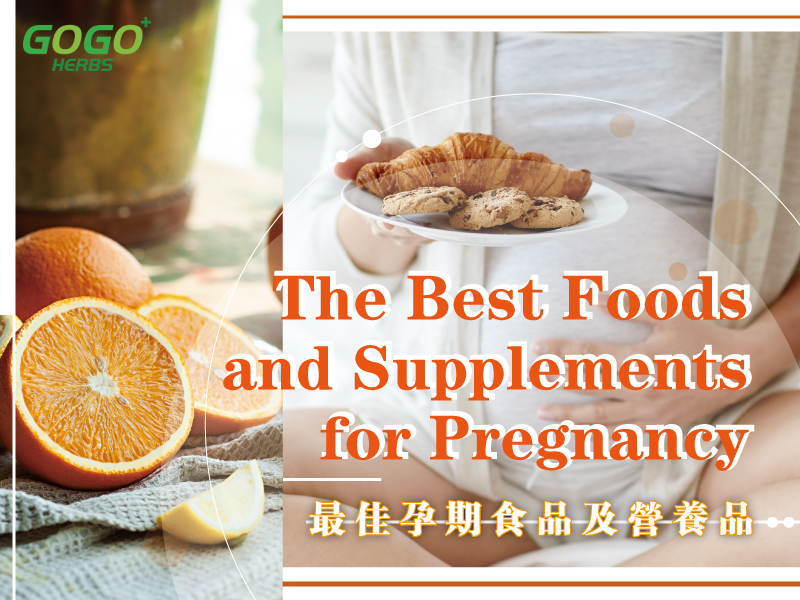
Best Pregnancy Health Foods and Nutritional Supplements
Congratulations on your pregnancy! To ensure a healthy and smooth pregnancy for both you and your baby, you may have already started looking for things that are beneficial during pregnancy.Health food和Nutritional supplementsPregnant women do have various nutritional needs, but what are their specific needs, and what foods should they eat for the health of both mother and baby?
Nutritional needs during pregnancy
After becoming pregnant, women need to supplementMore calcium, folic acid, iron, and proteinDuring early pregnancy (the first three months), a pregnant woman's calorie needs are the same as before pregnancy. During the second and third trimesters (months 4-6 and 7-9), only an additional 200-300 calories per day are required. Most of the nutrients mentioned above can be obtained through food, but if you are deficient in a certain vitamin or have special dietary habits, you can also supplement with supplements. For example, if you are a vegetarian, you may not get enough vitamin B12 from your daily diet, or if you don't get enough iron from your food, you are more prone to anemia. Furthermore, vitamin D is often deficient, so your doctor may recommend appropriate vitamin D supplementation.
folate
Folic acid, or vitamin B9, is an essential vitamin for infant brain development and the prevention of birth defects in the brain and spinal cord. It's generally difficult to obtain enough folic acid from food, so doctors often recommend supplements. Women trying to conceive can consume more folic acid than usual, while pregnant women should follow their doctor's advice regarding daily intake.
Foods rich in folic acid during pregnancy:
- Legumes
- Citrus fruits
- Dark leafy green vegetables
- cereals containing folic acid
- Whole wheat bread, pasta, and regular noodles
Calcium and Vitamin D
Calcium is crucial for pregnant women because if they don't get enough calcium, the baby will have to draw calcium from their own bones, potentially leading to osteoporosis and other bone-related diseases in the new mother. Vitamin D is also important, as it works with calcium to support bone and teeth development.
Foods rich in calcium and vitamin D during pregnancy:
- High-calcium milk and soy milk
- Yogurt
- cheese
- Sardines or salmon with bones
- cabbage
- Chinese cabbage
- Mushrooms (Vitamin D)
iron
Pregnant women need more iron because they require more blood to oxygenate their babies. To promote iron absorption, pregnant women should also consume vitamin C when taking iron-rich foods or supplements, as vitamin C can enhance the body's ability to absorb iron. Insufficient iron intake during pregnancy can lead to anemia and even severe fatigue and muscle weakness.
Iron-rich foods during pregnancy:
- Red meat
- poultry
- 魚
- Legumes
- Tofu or fermented soybean products
- Pumpkin seeds, almonds, cashews
- Dark leafy green vegetables (kale, spinach)
protein
Protein helps form and repair muscles and tissues, and is also key to the development of an infant's organs, brain, and heart.
Foods high in protein during pregnancy:
- Red meat
- poultry
- 魚
- Legumes
- 蛋
- nut
- Tofu or fermented soybean products
- Pumpkin seeds, almonds, cashews
- Dark leafy green vegetables (kale, spinach)
Foods to avoid during pregnancy
This is a guide to precautions during pregnancy. If you are unsure whether you can eat a certain food or supplement, be sure to consult your doctor before taking it.
caffeine
While not strictly prohibited, pregnant women are generally advised to reduce their caffeine intake. This is because although caffeine can be absorbed through the placenta, the fetus cannot metabolize it, and long-term consumption may affect fetal development. It is recommended that pregnant women limit themselves to a maximum of 2-3 cups of caffeine per day.。
High-mercury fish
Unfortunately, due to increasing marine pollution, the mercury content in some fish has also risen. Tuna, mackerel, shark, and kingfish are among the fish with relatively high mercury levels. Because high concentrations of mercury are very harmful to the human body, pregnant women are advised to avoid eating fish with high mercury content. However, not all fish contain large amounts of mercury; consuming low-mercury fish can provide pregnant women and their babies with necessary protein and omega-3 fatty acids.
Undercooked or raw meat/fish
Raw fish, especially shellfish, can cause various infections. Pregnant women are 20 times more likely to contract Listeria and other diseases than the general population. Even if a pregnant woman shows no signs or symptoms, Listeria may have already entered the uterus through the mother's body. Listeria can cause premature birth, miscarriage, and even stillbirth. Raw and processed meats can also cause various infections that can lead to stillbirth and serious neurological disorders.
Alcohol
Drinking alcohol can affect fetal development and increase the risk of miscarriage and stillbirth. Because there is no clearly defined safe amount of alcohol to drink, pregnant women are advised to avoid alcohol completely.
Unpasteurized food
Unpasteurized foods and beverages, such as raw milk or juice, increase the risk of Listeria infection in pregnant women, who are highly susceptible to Listeria infection, as mentioned earlier.
reunification
In China, although angelica is a commonly used medicine for treating dysmenorrhea and poor cardiovascular index, it is not suitable for pregnant women because it can cause uterine contractions, thereby increasing the risk of miscarriage.
Undercooked eggs
Raw or undercooked eggs may contain Salmonella, which can cause gastrointestinal infections, leading to vomiting, diarrhea, and fever. In severe cases, it can cause uterine cramps, resulting in premature birth or fetal death. Only fully cooked and sterilized eggs are suitable for pregnant women.
Foods that typically contain raw eggs:
- Scrambled eggs
- poached eggs
- Hollandaise sauce
- Homemade mayonnaise
- Salad dressing
- Homemade soft serve ice cream
- Cake icing