




























































During flu season or pandemics, everyone asks, "What can I eat to boost my immunity?" Rather than aiming to "maximum" immunity, a more practical and responsive approach, closer to how the body functions, is...Allow the immune system to steadily receive the nutrients it needs.—Sufficient, moderate, and daily supply. This article compiles information on several vitamins and minerals most closely related to the immune system, 10 everyday foods rich in these nutrients, and when supplements should be considered. First, it should be noted that a balanced diet is the foundation of immune support; no food or supplement can prevent or treat disease, nor can it replace vaccines, medications, or a doctor's advice.
II. 10 Everyday Foods to Support Immunity
III. Should I take supplements? How do I choose them?
IV. Safety Boundaries and Medical Advice
V. Frequently Asked Questions (FAQ)
I. What nutrients does the immune system need?
The immune system is a system that requires a "long-term supply of nutrients." The following nutrients have been confirmed in official nutrition literature to participate in immune-related physiological functions:
- Vitamin C:The US NIH Office of Dietary Supplements (ODS) points outIn addition to its antioxidant and synthetic functions, vitamin C plays an important role in immune function.
- Vitamin D:ODS DescriptionIn addition to assisting calcium absorption and bone health, vitamin D also participates in regulating processes such as inflammation, cell growth, and immune function.
- Vitamin E:ODS points outVitamin E is a fat-soluble antioxidant that, in addition to its antioxidant properties, also participates in immune function.
- Zinc:ODS points outZinc is required for the activity of hundreds of enzymes and is involved in enhancing immune function; insufficient zinc intake can also affect the immune system.
- Selenium:ODS points outSelenium is involved in antioxidant defense and immune-related functions, but the upper limit of intake should be noted (400 micrograms per day for adults).
- Magnesium, Vitamin A:These are nutrients required for various metabolic processes and the health of epithelial tissues, and can usually be obtained from a regular diet.
It is worth noting that:The role of these nutrients is to "maintain normal functioning," not to "prevent illness by eating them."Studies show that a lack of these nutrients can indeed affect immune function; however, for those who already have sufficient intake, additional large amounts of supplementation do not provide extra protection.
II. 10 Everyday Foods to Support Immunity
The following 10 foods each provide one or more of the nutrients mentioned above. Rotating them into your daily menu is more practical than relying on just one "superfood."
1. Red bell pepper
When it comes to Vitamin C, most people think of oranges first, but red bell peppers actually have a higher content—one cup of red bell peppers provides about 2111 TP4T of Vitamin C, roughly twice that of an orange (1061 TP4T). Besides its role in immune function, Vitamin C also participates in the growth and repair of various tissues in the body. It should be noted that...Evidence compiled by ODS showsRegular vitamin C supplementation in the general population does not reduce the incidence of colds, but may only slightly shorten the course of the illness (about 81 TP4T shorter in adults) - so its value lies in "sufficient daily supply", rather than large doses when sick.
2. Chickpeas
Chickpeas provide dietary fiber, plant-based protein, and zinc. Zinc is...ODS confirmed to be involved in immune functionChickpeas are rich in minerals, while fiber and protein are essential for maintaining gut and muscle health. They are suitable for salads, nut butters, and stews, and are a convenient source of zinc for vegetarians.
3. Garlic
Garlic has a long history, and modern research has indeed found some positive signals.The US NCCIH pointed outGarlic supplements may slightly lower total cholesterol and LDL cholesterol in people with high cholesterol, and there is also preliminary evidence that they may slightly lower blood pressure and slightly affect blood sugar. However, regarding "boosting immunity and fighting colds," the NCCIH has clearly stated...There are very few related studies.A 2022 review found only two studies suggesting potential benefits, but both had small sample sizes and weak study designs. Therefore, while garlic is a great culinary ingredient and flavor source, it should not be used as a means of preventing colds.
4. Ginger
Ginger is quite common in Chinese cuisine and traditional remedies. Based on current evidence,NCCIH pointed outThe most supported areas of research are nausea and vomiting (especially pregnancy-related nausea and vomiting), menstrual cramps, and relief of knee discomfort; as for the commonly circulated claims of "lowering cholesterol and blood sugar," the evidence is currently insufficient. Drinking a cup of ginger tea to warm up and soothe a sore throat on a cold day is a very comfortable daily choice.
5. Mushrooms
Mushrooms are one of the few food sources that can provide vitamin D. Vitamin D is mainly synthesized by the skin through sun exposure, and dietary sources are relatively limited.ODS DescriptionIn addition to aiding calcium absorption and maintaining bone health, it also participates in the regulation of immune function. Common observational studies have found an association between low vitamin D levels and the risk of respiratory infections, but this association does not mean that "supplementing with vitamin D can prevent infection"—ODS's vitamin D page does not list the prevention of respiratory infections as an established benefit.
6. Spinach
Spinach is rich in vitamin C, beta-carotene (a major precursor to vitamin A in the diet), and various antioxidants. Beta-carotene is converted into vitamin A in the body, which helps maintain the health of mucous membranes and epithelial tissues and is also one of the first physical barriers of the immune system. Quickly stir-frying or blanching spinach retains more nutrients than prolonged boiling.
7. Green tea
Green tea contains catechin flavonoids, among which EGCG is the most noteworthy. Compared to black tea, green tea is unfermented and retains more of these antioxidants. Green tea also contains the amino acid L-theanine, and preliminary studies are exploring its association with immune cells, but this is still in the research stage and its effects are not yet documented. Green tea also contains caffeine, so those who are caffeine-sensitive or are controlling their intake should be cautious.
8. Broccoli
Broccoli is one of the most nutrient-dense vegetables, containing vitamins A, C, and E, various antioxidants, and dietary fiber. Like spinach, it retains its nutrients best when eaten raw or lightly blanched; overcooking will result in the loss of more vitamin C.
9. Sunflower seeds
Sunflower seeds provide fiber, phosphorus, magnesium, B vitamins, and are also an excellent source of vitamin E—about 28 grams of sunflower seeds can provide the recommended daily intake of about 491 TP4T of vitamin E.ODS points outVitamin E is an antioxidant and participates in immune function, but it's important to note that clinical trials have not proven that regular vitamin E supplementation can prevent chronic diseases such as cardiovascular disease. The daily upper limit for adults is 1,000 mg. Obtaining it from nuts and seeds is much safer than high-dose supplements.
10. Plain Yogurt
Cheese provides protein and calcium, and some products also contain vitamin D and probiotics.NCCIH pointed outProbiotics may affect the body's immune response; a 2015 review of 12 studies involving 3,720 people showed that those supplementing with probiotics may have fewer upper respiratory tract infections and shorter durations of illness, but...Low quality of evidenceThe NCCIH also cautions that while probiotics have shown potential in preventing antibiotic-associated diarrhea, ulcerative colitis, and other gut health issues, it remains unclear which strain, dosage, and individual is most effective. Plain, unsweetened yogurt is ideal, and you can add fruit or nuts as desired.
III. Should I take supplements? How do I choose them?
For most people with a balanced diet, key nutrients are sufficient to be obtained from food; the value of supplements lies primarily in...It is indeed possible that there is insufficient intake.The following are two of the most common examples in practice:
Vitamin D: The most common deficiency in modern people
Vitamin D is primarily obtained from sunlight, but modern people spend most of their time indoors and take thorough sun protection measures, so deficiency is quite common. If you spend a lot of time indoors, have little sun exposure, or live in an area with significantly less sunlight in winter, vitamin D supplements are worth considering.ODS ReminderThe daily upper limit for adults is 100 micrograms (4,000 IU). Excessive supplementation may lead to problems such as hypercalcemia, so it is not recommended to take high doses for a long period of time on your own.
Zinc and multivitamins: Depend on your diet
Vegans, lacto-ovo vegetarians, picky eaters, and the elderly are more likely to have deficiencies in certain nutrients. In these cases, it's advisable to discuss with a doctor or registered dietitian whether a multivitamin or single mineral supplement is necessary. It's important to note that more zinc is not necessarily better.ODS points outThe daily upper limit for adults is 40 mg. Consuming more than 50 mg daily for several consecutive weeks may interfere with copper absorption and reduce immune function.
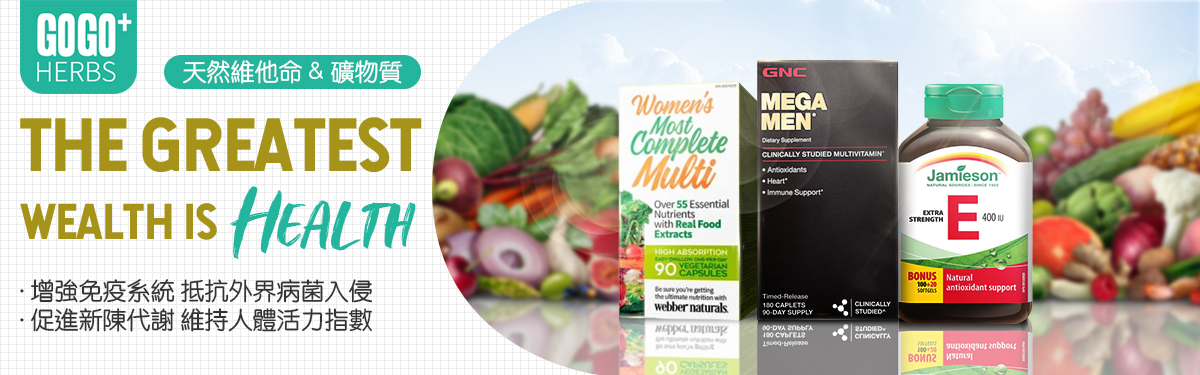
Selection principles: Carefully check the ingredients and content per serving; choose reputable brands that provide third-party testing reports; and be aware of any interactions with medications you are currently taking. The above guidelines are for daily nutritional and health maintenance and should not replace medication or medical advice.
IV. Safety Boundaries and Medical Advice
- Supplements are not the same as medicines:NCCIH ReminderUnlike pharmaceuticals, dietary supplements are not reviewed and approved before being marketed. Manufacturers are responsible for ensuring product safety and accurate labeling. It is crucial to inform your doctor about all supplements you are currently taking before choosing any supplements.
- There should be an upper limit to the dosage:The recommended daily intake for adults is as follows: Vitamin C: 2,000 mg/day; Vitamin D: 100 mcg (4,000 IU)/day; Vitamin E: 1,000 mg/day; Zinc: 40 mg/day; Selenium: 400 mcg/day. It is easiest to accidentally exceed the recommended daily intake when combining multiple products.
- Interactions between herbal supplements such as garlic and ginger and medications:Garlic may increase the risk of bleeding; patients should inform medical staff before taking anticoagulants, aspirin, or undergoing surgery. It is also recommended to consult with a doctor before taking high-dose supplements of ginger.
- If these symptoms occur, please seek medical attention and do not attempt to treat them yourself with diet or supplements:Persistent high fever, difficulty breathing or chest pain, symptoms that do not improve for more than one to two weeks, recurrent infections, unexplained weight loss, or a history of chronic illness, immune-related conditions, or being pregnant or breastfeeding.
- Please follow official guidelines for epidemic prevention measures:A balanced diet, sufficient sleep, regular physical activity, and hand hygiene are the foundation for maintaining daily health; please consult healthcare professionals regarding decisions related to vaccines and medications.
V. Frequently Asked Questions (FAQ)
Can taking vitamin C prevent colds?
According to evidence compiled by ODS, regular vitamin C supplementation in the general population does not reduce the incidence of colds, but may slightly shorten the duration of the illness (approximately 81 TP4T for adults and 141 TP4T for children). The value of vitamin C lies in ensuring adequate daily intake and supporting the normal functioning of the immune system, rather than being used as a method to prevent or treat colds.
Can garlic really fight colds and viruses?
The NCCIH explicitly points out that garlic supplements are often marketed as immune boosters, but research in this area is extremely limited—a 2022 review found only two studies showing potential benefits, both with small sample sizes and flawed designs. Garlic's more significant research evidence suggests minor effects on cholesterol, blood pressure, and blood sugar; it's ideal as a cooking ingredient but should not be considered a means of infection prevention.
Can ginger lower cholesterol and blood sugar?
The evidence is currently insufficient. The NCCIH points out that ginger has more supported research in relieving nausea and vomiting (especially pregnancy-related), menstrual cramps, and knee discomfort. If you have medical issues related to cholesterol or blood sugar, please follow your doctor's diagnosis and treatment plan and do not use ginger as a substitute.
Should everyone take vitamin D supplements?
Vitamin D deficiency is quite common in modern times, and those who spend long periods indoors, have insufficient sun exposure, or live in high-latitude areas are particularly prone to deficiency. The benefits of supplementation are more clearly seen in these individuals. However, ODS also reminds that the daily upper limit for adults is 100 micrograms (4,000 IU), as excessive intake may cause problems such as hypercalcemia. If you are unsure whether you are deficient, you can consult a doctor for an assessment.
Do probiotics help with immunity?
The NCCIH points out that probiotics may affect the immune response, and preliminary studies suggest that upper respiratory tract infections may be less frequent and have a shorter duration, but the quality of evidence is low. It remains unclear which strain, dosage, and individual is most effective. Individuals with severe illness or compromised immune systems are at higher risk and should consult a healthcare professional before supplementation.
Does taking more supplements necessarily mean a stronger immune system?
No. The immune system needs a stable, adequate, but not excessive, supply of nutrients. Supplementation is indeed helpful when deficient; however, for those with already sufficient levels, excessive supplementation not only fails to provide additional protection but may also cause side effects or drug interactions. There are daily intake limits for vitamins C, D, E, zinc, and selenium, so extra caution should be taken when combining multiple supplements.
- NIH ODS — Vitamin C (Immune function, evidence of colds, upper limit of intake)
- NIH ODS — Vitamin D (Bone and Immune Regulation, Upper Limit of Intake)
- NIH ODS — Vitamin E (Antioxidant and Immune Function, Upper Limit of Intake)
- NIH ODS — Zinc (Immune function, effects of deficiency, upper limit of intake)
- NIH ODS — Selenium (Antioxidant and Immunity, Upper Limit of Intake)
- NCCIH — Garlic (Strength of Evidence, Bleeding Risk, and Interactions)
- NCCIH — Ginger (Evidence on nausea, vomiting, and menstrual pain; safety)
- NCCIH — Probiotics (Immune and Gut Evidence, High-Risk Group Reminder)
- NCCIH — Using Dietary Supplements Wisely
This article is a compilation of nutrition and health information for general reference only and does not constitute medical advice, diagnosis, or treatment. Dietary supplements cannot prevent, treat, or cure any disease, nor should they replace medications or vaccines prescribed by a doctor. Pregnant women, breastfeeding mothers, children, the elderly, those with a history of chronic illness, or those currently taking medication should consult a doctor, pharmacist, or registered dietitian before starting any supplements. Please refer to the packaging label for the ingredients and dosages of individual products.
Related Products:
-
Sale!
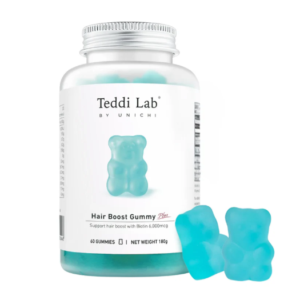
Unichi – Teddi Lab® Gummy Bears Gummy Bears for Hair Growth Upgraded Sea Salt and Green Titanium Flavour 60 Capsules
Original price was: $170.00.$125.00Current price is: $125.00. Add to basket -
Sale!
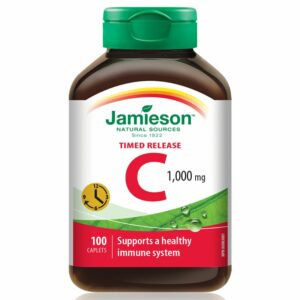
Jamieson – Long Lasting Vitamin C 1000mg 100 Tablets
Original price was: $138.00.$108.00Current price is: $108.00. Add to basket -
Sale!
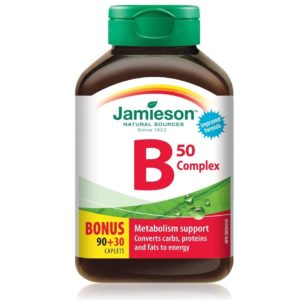
Jamieson – Natural Vitamins B complex 50 120 capsules
Original price was: $168.00.$98.00Current price is: $98.00. Add to basket -
Related Post:
![通宵一晚,血壓會升多少?]()
Staying up late and blood pressure: How much will blood pressure rise after staying up all night on Halloween? Interpreting cardiovascular risk data.
![均衡備餐與體重管理]()
Weight Management Shopping Guide: 8 Selected Probiotics, Apple Cider Vinegar, and Herbal Formulas
![我們的選品標準與定價說明]()
Health supplement selection? Our product selection criteria and pricing guidelines
![從整理日常需要開始,讓選購與休息安排都有方向]()
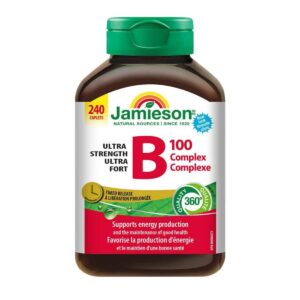
Choosing between B50 and B100: Starting with the ingredients; Comparison of 8 stress-relief supplements.