

























































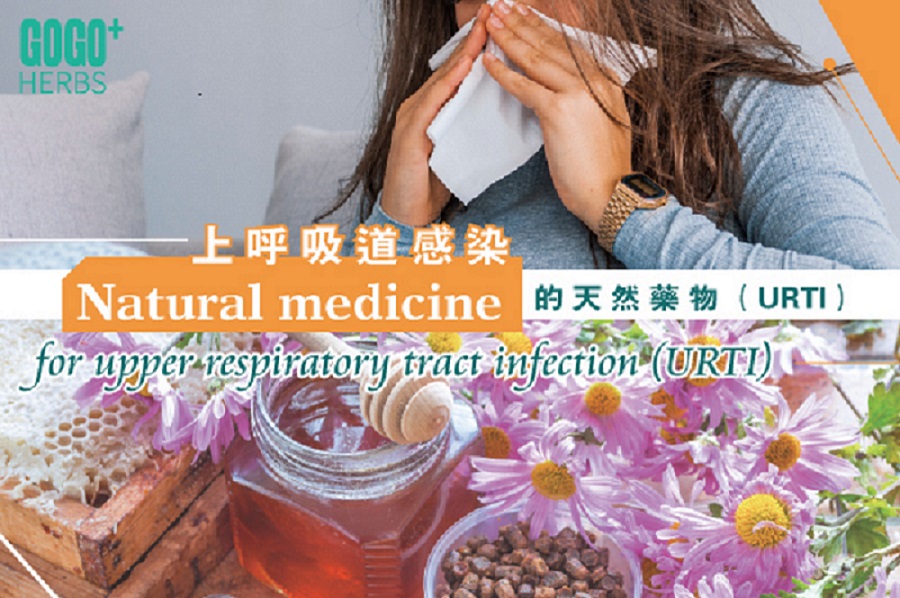
Upper respiratory tract infection (URTI) and natural herbs: symptoms, prevention and gentle support
Upper respiratory tract infection (URT) is one of the most common illnesses, ranging from the common cold to sore throat, runny nose, nasal congestion, and sneezing. Most are caused by viruses and usually resolve on their own within 11-12 weeks. In recent years, many people have used herbal remedies and other natural methods as part of their soothing and supplementary health care. This article summarizes common symptoms, prevention methods, and the evidence and safety limits of several common natural herbs. It is important to emphasize that natural herbs are "adjunctive therapy," not "treatment," and should not replace a doctor's diagnosis and regular medical care.
II. Prevention: Start with lifestyle habits
III. Four common natural herbal remedies
IV. Safety Boundaries: Herbs are not "completely safe"
V. When should I see a doctor?
VI. Frequently Asked Questions (FAQ)
I. What is an upper respiratory tract infection (URTI)?
Upper respiratory tract infections affect the nose, throat, trachea, and other parts of the upper respiratory tract. Common symptoms include runny nose, nasal congestion, sneezing, sore throat, cough, headache, and low-grade fever. Most cases are caused by viruses (a few by bacteria or other causes) and are transmitted through droplets and contact. Children may experience 41-6 colds per year, and adults about 21-3 colds per year, which is common. However, for the elderly, those with weakened immune systems, or those with chronic diseases, infections can sometimes have more serious consequences and should not be taken lightly.
II. Prevention: Start with lifestyle habits
Because there are many viral strains that cause the common cold, there is currently no vaccine specifically for the common cold. However, doctors usually recommend vaccinations such as the flu vaccine or the pneumococcal vaccine for the elderly, those with weakened immune systems, or those with chronic illnesses to prevent specific serious respiratory infections. Everyday preventative measures include:
- Wash your hands frequently:Washing your hands properly with soap and water is one of the most basic and effective ways to prevent infection.
- Cough etiquette and reducing transmission:Cover your mouth and nose with a tissue, discard it immediately after use, and avoid sharing towels and cups.
- Stay away from smoke and polluted air:Smoking and secondhand smoke can irritate the respiratory tract; try to avoid being in environments with poor air quality and a lot of dust.
- Maintain a regular sleep schedule and exercise:Sufficient sleep and moderate activity help maintain general physical health.
III. Four common natural herbal remedies
The following herbs are commonly used in traditional or research practice as adjunctive care for respiratory issues. Please note: the evidence varies, and most are described as "potentially soothing" rather than "curing"; please heed all safety warnings before use.
1. Echinacea
Echinacea is a herb native to North America and has traditionally been used for respiratory health. Regarding evidence for its effectiveness against the common cold...NCCIH (National Center for Complementary and Integrative Health)It is pointed out that:
- ConeflowerIt may slightly reduce the chance of catching a cold.However, it is still unclear whether this can shorten the duration of a cold and requires further research to confirm.
- In terms of safety, most adults consume it for a short period of time. E. purpurea The extract may be safe, butSome people may experience allergic reactions.(Potentially quite serious) Common side effects include gastrointestinal discomfort such as abdominal pain and nausea.
- It may interact with some drugs that are metabolized by the liver, immunosuppressants, or caffeine; pregnant women, breastfeeding women, and children should consult a healthcare professional before use.
2. Astragalus
Astragalus is a commonly used herb in traditional Chinese medicine, often used to support respiratory health and overall physical well-being. Some commercially available "respiratory health" formulas combine it with other herbs and vitamins. However, high-quality human studies on the prevention or treatment of colds with astragalus are still limited; its safety profile has not been fully established. Because astragalus may affect immune-related responses, individuals with autoimmune diseases, those taking immunosuppressants, or those preparing for surgery should consult their doctor before using it.
3. Bee Propolis
Propolis, also known as "bee resin," is a substance made by bees from a mixture of resins and other materials collected by them. Traditionally used to soothe mild sore throats and oral discomfort, its natural antibacterial properties have also garnered attention. However, relevant clinical evidence remains limited; most importantly…People allergic to bee products (honey, propolis, bee venom) should avoid using them.To avoid triggering allergic reactions, it is also recommended to consult a healthcare professional before using on children.
4. Spirulina
Spirulina is a blue-green algae often used as a source of plant-based protein and antioxidants. Some studies have explored its auxiliary role in allergy-related symptoms such as allergic rhinitis (sneezing, nasal congestion), but overall evidence remains limited. Special attention should be paid to the fact that the quality of spirulina varies greatly, and products from poor sources may pose a risk of contamination such as microcystin toxins. When purchasing, prioritize products from reputable manufacturers with third-party testing.
IV. Safety Boundaries: Herbs are not "completely safe"
The original statement that "natural medicines are completely safe" is incorrect. Whether herbal or supplemental, there is always a risk of side effects, allergies, or drug interactions.NCCIH ReminderDietary supplements do not undergo FDA safety and efficacy reviews before being marketed like pharmaceuticals. Manufacturers are responsible for product safety and labeling. Before use, you should proactively inform your healthcare provider about any supplements and medications you are consuming.
- Who needs to be especially careful:Pregnant women, breastfeeding women, children, the elderly, and those with chronic diseases, autoimmune diseases, or those currently taking medications (such as immunosuppressants, anticoagulants, or hypoglycemic agents).
- Avoid self-medicating:Herbs can be used as an aid to daily life and diet, but they cannot be used to diagnose, treat or prevent diseases; if symptoms are obvious or persistent, please consult a medical professional.
- Selection principles:Prioritize products with clear labeling, third-party testing, and a good reputation, and consume them according to the label instructions. Discontinue use immediately if any discomfort occurs.
V. When should I see a doctor?
Most upper respiratory tract infections resolve on their own, but if you experience any of the following symptoms, please seek medical attention or consult a pharmacist as soon as possible (see reference). NHS Common Cold Guidelines):
- High fever lasting more than 3 days, or extremely high body temperature, fluctuating hot and cold with shivering;
- Shortness of breath, chest pain, or difficulty breathing;
- A cough lasting more than 3 weeks, or cold symptoms that do not improve or even worsen after 10 days;
- Those who have diabetes, chronic diseases such as heart/lung/kidney, or are undergoing chemotherapy, which may lead to a weakened immune system;
- When the symptoms of infants and children worry you.
VI. Frequently Asked Questions (FAQ)
Can eating echinacea flowers prevent colds?
The evidence is limited. The NCCIH points out that echinacea may slightly reduce the chance of catching a cold, but it is unclear whether it can shorten the course of the illness; the NHS also warns that there is insufficient evidence to suggest that supplements such as vitamin C, echinacea, and garlic can prevent or accelerate recovery.
Can propolis cure a sore throat?
Propolis is traditionally used to soothe mild throat discomfort, but clinical evidence is limited; those allergic to bee products should avoid its use. If the sore throat is severe or accompanied by high fever or difficulty breathing, please seek medical attention.
Are all natural herbs safer than medicine?
No. Herbal supplements can also have side effects, allergies, and drug interactions; supplements do not undergo the same rigorous safety and efficacy reviews as pharmaceuticals before being marketed. Consult a healthcare professional before use, especially if you are currently taking medication or have a chronic illness.
Are there vaccines that can prevent the common cold?
No. The common cold is caused by multiple viral strains, and there is currently no vaccine for it. However, the elderly, those with weakened immune systems, or those with chronic illnesses can consult a doctor about getting vaccinated against influenza, pneumococcal disease, or other serious respiratory infections.
Can herbal remedies replace medications prescribed by a doctor?
No. Herbal remedies are for supplementary health maintenance and cannot diagnose, treat, or prevent disease, nor can they replace regular medical care and advice. Please consult a doctor or pharmacist if you have any health concerns.
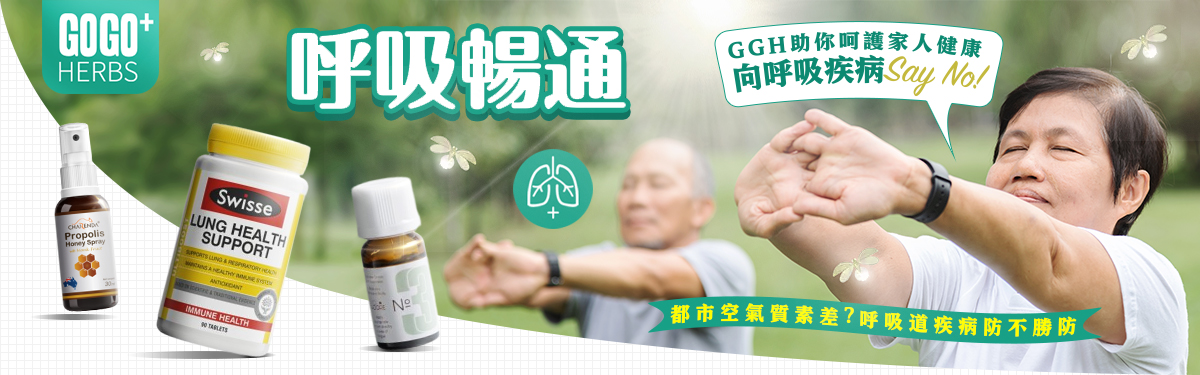
Related products: Natural herbal care for the respiratory tract
To learn more about natural herbal skincare products containing ingredients such as echinacea, astragalus, and propolis, please browse the relevant categories on GogoHerbs; actual stock, specifications, and prices are subject to the latest information on the product page.
Source of information
- NHS — Common cold: symptoms, self-care, red flag signs, vaccine information, limited evidence for supplements:nhs.uk/conditions/common-cold/
- NCCIH — Echinacea (Echinacea Evidence and Safety: May Slightly Reduce Chance of Colds, Allergies, and Interaction Risks):nccih.nih.gov/health/echinacea
- NCCIH — Using Dietary Supplements Wisely (Supplements are not subject to premarket review, drug interactions, or healthcare consultation):nccih.nih.gov/health/supplements/wiseuse.htm
Disclaimer: This article is for health and nutrition information sharing and does not constitute medical diagnosis or advice. Everyone's health condition and medication situation are different. If you have a chronic illness, are currently taking medication, are pregnant or breastfeeding, have a history of allergies, or have a weakened immune system, please consult a doctor or pharmacist before starting any herbal or supplemental products. If you experience a high fever, difficulty breathing, chest pain, or if your symptoms continue to worsen, please seek medical attention as soon as possible.
Related Products:
-

-
-
-
Sale!

Unichi – Teddi Lab® Elderberry Immunity Boosting Gummy Bears Mixed Berry Flavour 60 capsules
Original price was: $150.00.$105.00Current price is: $105.00. Add to basket
Related Post:
![母親用滴管把少量植物藻油滴在食物匙上,幼兒坐在餐桌旁]()
A Complete Guide to Plant-Based Algae Oil Omega-3: Odorless, Vegetarian, and Suitable Omega-3 Choices for Pregnant Women and Infants
![牛樟芝子實體與膠囊製品示意]()
What is Antrodia camphorata? A complete guide to its ingredients, research evidence, and precautions for consumption.
![世界心臟日護心飲食場景,香港中年夫婦享用豆漿、豆腐、雞蛋與堅果,旁有心臟及細胞膜卡通示意]()
World Heart Day: Heart Health in Hong Kong Starts with Daily Life | What are the Benefits of Lecithin? Which of Three 1200mg Products to Choose From?
![香港成年人在家閱讀與休息,從日常習慣開始理解腦部健康]()
Fish oil, mini capsules, or B12? Formulas and daily choices for 8 best-selling brain health products.