Five essential nutrients for children: Vitamins A, C, B complex, calcium, and iodine.
Every parent hopes their child will grow up healthy and intelligent. From weaning to puberty, a child's height, organs, and cognition develop rapidly, andSufficient nutrition is the foundation of these developments.It supports the growth of the brain, bones, muscles, skin, and organs, and also maintains the normal functioning of the immune system. However, the reality is that many parents have busy schedules and may not be able to prepare balanced home-cooked meals regularly; some children are also particularly picky eaters. This article summarizes the 5 nutrients that children need to pay most attention to, as well as practical safety tips for snacks and supplements.But please remember: a balanced diet should always take precedence over supplements, and children's supplements must be used according to age and dosage.
- Why do children need balanced nutrition?
- A list of 5 essential nutrients
- Vitamin A: Vision, immunity, and growth
- Vitamin C: Antioxidant, wound healing, and iron absorption
- B vitamins: energy metabolism and the nervous system
- Calcium: the foundation of bones and teeth
- Iodine: Thyroid gland, brain, and growth and development
- Safety guidelines for snacks and supplements
- When should I see a doctor?
- Selection and Product Recommendations
- Frequently Asked Questions (FAQ)
- Source of information
1. Why do children need balanced nutrition?
A child's growth is measured by "developmental milestones"—not just height, but also physical and cognitive changes. Sufficient and balanced nutrition is crucial for the development of the brain, bones, muscles, skin, and organs, and also helps maintain a healthy immune system. Every child should enjoy a balanced diet, but in reality, some situations can make it difficult to meet the required levels of certain nutrients, so parents need to pay close attention:
- Vegan or vegan children:They are more prone to deficiencies in iron, calcium, and vitamin B12, and need to make a conscious effort to find alternative sources.
- Children who frequently eat fast food, processed foods, or soft drinks:It can easily lead to nutritional imbalances.
- Picky eaters:A narrow range of food choices makes it difficult to obtain comprehensive nutrition.
- Children with chronic illnesses (such as asthma, gastrointestinal problems):Nutritional needs and absorption may be affected and should be assessed individually by a doctor or nutritionist.
These children may need more diverse and appealing sources of healthy food to meet their needs. However, "food first" remains the principle—start with diet and only consider supplements under professional guidance when necessary.
2. A list of 5 essential nutrients
| Nutrients | Main characters | Common food sources | Children's Recommended Intake (Daily) |
|---|---|---|---|
| Vitamin A | Normal vision, immune system, growth and development | Dairy products, eggs, liver, carrots, sweet potatoes, spinach, mangoes | 1–3 years old 300mcg; 4–8 years old 400mcg (RAE) |
| Vitamin C | Antioxidant, collagen production (wound healing), promotes iron absorption | Oranges, kiwis, strawberries, bell peppers, broccoli, tomatoes | 1– for 3-year-olds: 15mg; 4– for 8-year-olds: 25mg |
| Vitamin B complex | It releases energy from food, maintains nerve and skin health, and helps red blood cell formation. | Whole grains, meat, fish, eggs, dairy, beans, and dark green vegetables | Different B groups have different needs, which can mostly be met by natural foods. |
| 鈣 | Bone and teeth development, muscle contraction and nerve conduction | Milk, cheese, yogurt, tofu, dark green vegetables, fortified foods | 1– for 3-year-olds: approximately 700mg; 4– for 8-year-olds: approximately 1,000mg |
| 碘 | It produces thyroid hormones, which affect metabolism, brain and bone development. | Dairy products, eggs, seafood, iodized salt | 1– 8 years old 90mcg; 9– 13 years old 120mcg |
Note: The above are general reference values. Guidelines may vary slightly in different countries. Please consult medical staff for specific needs of individual children.
3. Vitamin A: Vision, immunity, and growth
Vitamin A is a fat-soluble vitamin, and it is beneficial for...Normal vision, immune system, growth and development, and reproductionAll of these are extremely important and help organs such as the heart and lungs function properly. It also helps maintain the health of mucous membrane (epithelial) tissue—the first line of defense for the respiratory and digestive tracts (according to...).US NIH data)。
Vitamin A has two sources:Pre-formed Vitamin A(Animal sources such as liver, dairy products, eggs, and some fish), andProvitamin A, such as beta-carotene(From plants such as carrots, sweet potatoes, spinach, and mangoes). The body will convert the latter into Vitamin A. Severe deficiency can affect vision (such as night blindness and dry eye), but this is quite rare in developed areas where a balanced diet is usually sufficient.
4. Vitamin C: Antioxidant, wound healing, and iron absorption.
Vitamin C (ascorbic acid) is a water-soluble nutrient that acts as a natural protective agent in the body.antioxidantIt protects cells from free radical damage; the body also needs it to produce...CollagenIt helps wounds heal and canPromote the absorption of iron from plant-based foodsAnd to assist the immune system in functioning properly.
Vitamin C is mainly found in fruits and vegetables (oranges, kiwis, strawberries, bell peppers, broccoli, tomatoes, etc.). It also helps maintain healthy skin, gums, teeth, bones, and cartilage. Daily recommended dosage for children: 400mg for children aged 3 years and 650mg for children aged 8 years; excessive intake may cause diarrhea, nausea, and stomach pain.
5. B vitamins: energy metabolism and the nervous system
B vitamins are a large family, including B1, B2, B3, B6, B12, folic acid, etc.The UK National Health Service (NHS)They work together to helpConvert food into energy that the body can use.,maintainNervous system and skin healthVitamin B6 is involved in the formation of red blood cells. It also helps the body utilize proteins and carbohydrates, as well as produce hemoglobin that carries oxygen.
Group B is widely found in whole grains, meat, fish, eggs, dairy products, legumes, and dark green vegetables.A varied and balanced diet is usually sufficient to meet the needs.Vitamin B12 is mainly derived from animal-based foods, so vegan families should pay special attention (they can choose fortified foods or supplements, but it is recommended to consult a professional first). It's important to note that B vitamins are not for "controlling cholesterol"—that's a common misconception, and supplements cannot replace a balanced diet.
6. Calcium: The foundation of bones and teeth
Calcium is a major mineral for bones and teeth, and it also helps with muscle contraction and normal nerve function, allowing children to run, jump, and play freely.NHSThe main source of calcium isDairy products(Milk, cheese, yogurt), dark green leafy vegetables, tofu, and calcium-fortified plant-based milk and cereal breakfasts;Whole grains are not a primary source of calcium.(This is a common misconception).
A 3-year-old child needs approximately 700mg of calcium daily (1–), while an 8-year-old needs approximately 1,000mg (4–). Vitamin D aids calcium absorption, so both should be considered. Infants can start taking it from 6 months of age.Pasteurized full-fat cheese(such as cheddar, cottage cheese, cream cheese); however, avoid unpasteurized cheeses and moldy soft cheeses (such as brioche, Camembert, blue cheese) to reduce the risk of Listeria infection.
7. Iodine: Thyroid gland, brain, and growth and development.
Iodine is produced by the body.thyroid hormonesThe necessary minerals, while thyroid hormones regulate metabolism and...Skeletal and brain development during pregnancy and infancyIt is of utmost importance (according to)US NIH dataSevere iodine deficiency in children can impair brain and nervous system development, while even mild iodine deficiency may affect cognitive development.
Food sources of iodine includeDairy products, eggs, seafood (such as cod, tuna, and shrimp), seaweed, and iodized salt.An 8-year-old child needs approximately 90 mcg of 1– daily, while a 13-year-old needs approximately 120 mcg. Note:Excessive iodine intake is also harmful(It can cause goiter and inflammation). The upper limit for children is 200 mcg for 1– at age 3 and 300 mcg for 4– at age 8. Therefore, iodine supplementation should not be increased on one's own.
8. Safety guidelines for snacks and supplements
When it's not always possible to prepare balanced meals, some nutritious snacks are a good supplement. Here are three common choices and some points to note:
(a) Vitamin Gummies
Gummies are a popular form of candy for children, but...Always use according to the age and dosage indicated on the product label, and keep out of reach of children.There are two reasons: First, the color, aroma, and taste of gummies resemble candy, making it easy for children to reach for them and accidentally ingest excessive amounts (an overdose of iron supplements can be fatal); second,The NHS only recommends supplements containing vitamins A, C, and D for children aged 6 months to 5 years.Furthermore, it is not advisable to give two supplements at the same time (for example, cod liver oil and vitamin drops taken together may lead to an overdose of vitamins A and D). When purchasing, pay attention to the ingredients and dosage being close to the recommended amount, rather than the higher the better.
(ii) Cottage cheese
Cabbage cheese is a source of protein, calcium, and vitamin B12, and can be a nutritious snack for young children (it must be pasteurized and full-fat). It provides protein and calcium for a balanced diet, but it should not be described as a "miracle food for stimulating growth and brain development"—a balanced diet is fundamental.
(iii) Yogurt
Full-fat plain yogurt is a source of protein and calcium, and contains live probiotics that help with gut health. If you add fruit flavoring, the natural fruit is already sweet enough.
- Honey: Infants under 1 year old should never eat honey.(Including adding to cheese or beverages). Honey may contain substances that can cause...Infant botulismThe bacteria can cause serious illness; children over 1 year old can consume it in moderation, but honey is still sugar and should be used sparingly to prevent tooth decay.
- Whole nuts: Not suitable for children under 5 years old to eat whole.(There is a risk of choking). From weaning (around 6 months), nuts can be ground/crushed and added to food, or spread on toast, etc., but peanut butter should not be fed alone. If there is a family history of food allergies, consult a doctor or health visitor before introducing nuts.
9. When should I see a doctor?
If you have any of the following concerns about your child's growth or diet, please consult a pediatrician, health visitor, or registered dietitian instead of purchasing high-dose supplements on your own:
- Growth retardation, significantly underweight or overweight, or height consistently below the age-appropriate growth curve;
- Long-term picky eating, extreme food preference, or a very narrow range of food types;
- Those with chronic illnesses (such as asthma, gastrointestinal or absorption problems) or who are currently taking medication;
- Suspected lack of symptoms (such as persistent fatigue, slow-healing wounds, oral or skin abnormalities);
- Before considering giving your child any supplements, have a professional confirm whether it is truly necessary and the appropriate dosage.
10. Selection and Product Recommendations
If you wish to supplement your child's diet with other nutrients, please check whether the product label clearly indicates this.Applicable age, ingredients, dosage, dosage form and third-party testingCommon choices for children includeDrops or chewable tablets containing vitamins A, C, and Das well asMultivitaminWhen purchasing supplements, the principle should be "the dosage should be close to the recommended intake" to avoid duplicate ingredients with other supplements (especially vitamins A, D and iron).
It must be emphasized that:Supplements cannot replace a balanced diet, nor can they replace a doctor's diagnosis and treatment.If your child is taking medication or has a chronic illness, be sure to consult a doctor or pharmacist before supplementing.

11. Frequently Asked Questions (FAQ)
Do children need to take vitamin supplements every day?
Not necessarily; it depends on age and diet. The NHS recommends that children aged 6 months to 5 years take a daily supplement containing vitamins A, C, and D (exclusively breastfed infants need daily vitamin D from birth). However, this is a "supplement," and a balanced diet is still the most important thing; older children with a diverse diet may not need additional supplements.
Can eating more vitamin C prevent children from catching colds?
No. Studies show that for most people, vitamin C supplements do not reduce the chance of catching a cold; regular users may experience a slightly shorter duration or lessened symptoms when they do catch a cold, but taking them after symptoms have appeared is not very helpful. The true role of vitamin C is as an antioxidant, aiding wound healing and promoting iron absorption.
Can iodine help children control their weight?
No, that's a misunderstanding. Iodine's role is to produce thyroid hormones, affecting metabolism, brain and bone development, not to "burn fat and lose weight." On the contrary, excessive iodine intake can be harmful. The daily upper limit for children is 200 mcg for 3-year-olds with 1– and 300 mcg for 8-year-olds with 4–.
Is it okay to give honey or honey cheese to a baby?
No. Infants under 1 year old should never eat honey, as honey may contain substances that can cause [harmful effects].Infant botulismIt contains bacteria. Children over 1 year old can consume it in moderation, but honey is still sugar and should be used sparingly to prevent tooth decay.
Can children eat vitamin gummies as a snack regularly?
Not recommended. Gummies look like candy, making it easy for children to take them and overeat (overdosing on iron-containing gummies can be fatal). They must be taken according to the labeled dosage and kept out of reach of children; also, do not give two supplements containing the same ingredients at the same time to avoid vitamin A, D, etc., overdose.
12. Sources of information
- Office of Dietary Supplements, National Institutes of Health (NIH) — Vitamin A and Carotenoids (Functions, Sources, and Upper Limits for Children)
- Office of Dietary Supplements, National Institutes of Health (NIH) — Vitamin C (Functions, Colds, Children's Upper Limit)
- Office of Dietary Supplements, National Institutes of Health (NIH) — Iodine (Thyroid, Brain Development, Recommended Dosage and Upper Limit)
- The UK National Health Service (NHS) — Vitamins for children (suggestions for vitamin A, C, and D supplementation)
- The UK National Health Service (NHS) — Foods to avoid giving babies: honey, nuts, cheese, salt, sugar
- The UK National Health Service (NHS) — B vitamins and folic acid (functions and sources of B vitamins)
- The UK National Health Service (NHS) — Calcium (functions, sources, and recommended intake)
Disclaimer: This article is for health information purposes only and should not replace medical diagnosis and treatment. Nutritional supplements are not drugs and should not be used to "treat, cure, or prevent" any disease, nor can they replace a balanced diet. Dosage and recommended age for children's supplements should follow product labeling and healthcare instructions; if your child has a chronic illness, is taking medication, or is experiencing growth/feeding problems, please consult a pediatrician, health visitor, or registered dietitian. Product information is subject to change as indicated on the product page on the day of publication.
Related Products:
-
Sale!
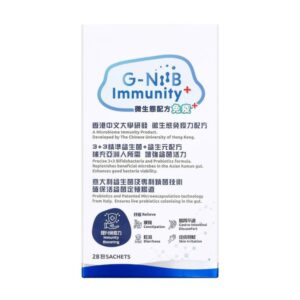
[Price as low as $330 in stores] G-NiiB – Immunity+ 28 packets
Original price was: $498.00.$365.00Current price is: $365.00. Add to basket -
Sale!
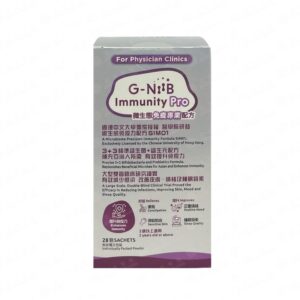
G-NiiB – Immunity Pro Immunity Pro Formula 28 packs
Original price was: $598.00.$498.00Current price is: $498.00. Add to basket -
Sale!

Swisse – Ultiboost Odorless High Concentration Wild Fish Oil 1500mg 400 Capsules
Original price was: $298.00.$248.00Current price is: $248.00. Add to basket -
Sale!

[Average price: $ 350/1] [Price as low as $ 330 in stores] G-NiiB – Immunity+ 28 packets x 3 bottles
Original price was: $1,494.00.$1,050.00Current price is: $1,050.00. Add to basket
Related Post:
![母親用滴管把少量植物藻油滴在食物匙上,幼兒坐在餐桌旁]()
A Complete Guide to Plant-Based Algae Oil Omega-3: Odorless, Vegetarian, and Suitable Omega-3 Choices for Pregnant Women and Infants
![牛樟芝子實體與膠囊製品示意]()
What is Antrodia camphorata? A complete guide to its ingredients, research evidence, and precautions for consumption.
![世界心臟日護心飲食場景,香港中年夫婦享用豆漿、豆腐、雞蛋與堅果,旁有心臟及細胞膜卡通示意]()
World Heart Day: Heart Health in Hong Kong Starts with Daily Life | What are the Benefits of Lecithin? Which of Three 1200mg Products to Choose From?
![香港關節健康洞察報告封面:中年及長者在香港步行]()
How to choose joint health supplements? 8 best-selling formulas and repurchase information help you find the right daily option.