

































































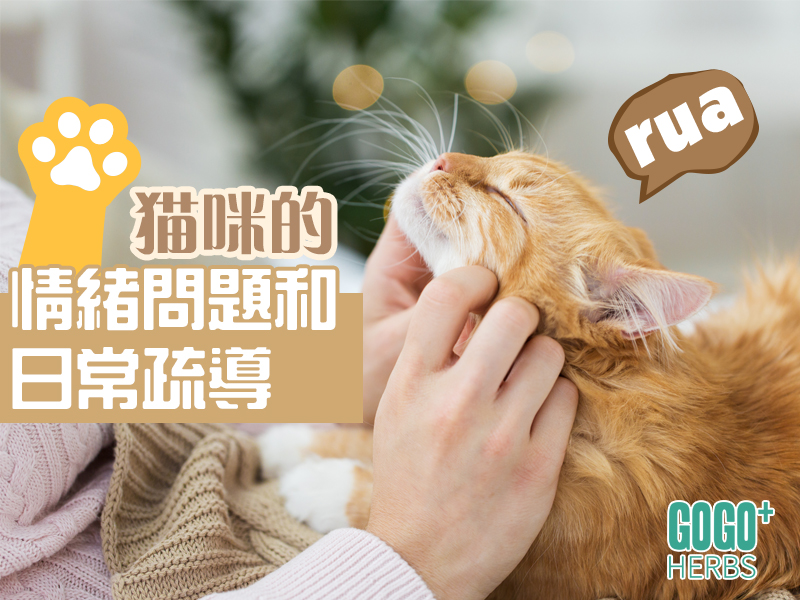
"Walking the cat" has shattered people's impression that cats can't go outside. When cat owners look at their own cats, they often find that as soon as they step outside, they start hissing, their heart rate increases, and they tremble—a phenomenon commonly known as a stress response. GGH has compiled some common emotional issues in cats, along with daily guidance and training, to help everyone cultivate "cat resilience."
cat stress
Cat owners are very concerned about stress in their felines. When cats react to changes in their environment or perceive threats, they exhibit a systemic stress response, with symptoms including anxiety, restlessness, panting, rapid heartbeat, and trembling. If stress is not relieved promptly, it can cause a range of physical discomforts in cats, such as vomiting, soft stools, diarrhea, loss of appetite, and urinary retention. Acute stress can also develop into chronic stress and trigger serious illnesses such as gastrointestinal disorders, liver and kidney damage, weakened immunity, feline panleukopenia, feline infectious peritonitis (FIP), and may even lead to sudden death.
Common stressors and preventative measures for cats
Stress is caused by external factors. When the following situations occur, pet owners need to pay attention to their cat's condition, comfort them promptly, and take appropriate measures. If the abnormal situation persists, it is necessary to consult a veterinarian as soon as possible.
- Changes in living environment: such as moving or forcibly taking the cat out for a walk. Cat owners should have a large airline-approved carrier when moving, allowing the cat to become familiar with it beforehand and develop a sense of security. On moving day, place the cat in the carrier, first arranging furniture, a cat bed, toys, and other familiar items before releasing the cat; do not remove the carrier. Do not force the cat into a new environment, feed it, or chase it away. You can add freeze-dried treats to its cat food to increase its appetite. "Taking the cat out for a walk" is not suitable for all cats. Cats that can be walked should undergo gradual socialization training from a young age to develop a high degree of trust in their owners. For adult cats that have little exposure to the outside world, forcibly taking them outside can cause serious health problems.
- When a new person joins the household: a stranger visits, or a new family member arrives, never force the cat to be petted. Walk quietly and slowly. Use toys and treats to attract the cat's interest and help build rapport.
- If startled or stressed: Try to keep the cat away from continuous noise, and gently stroking the cat's head can help soothe its emotions.
- Forcing a bath: Cats hate water, and wet fur will make them anxious. When bathing your cat, be very gentle and adjust the water temperature to be close to their body temperature. Don't wet them all at once; gradually wet them from the tail and paws to let them get used to it, avoiding their face and ears. Some bath products contain natural calming ingredients, and creating rich lather can also distract the cat. Cats generally dislike the noise of a hairdryer, so use a drying box to dry their fur promptly to prevent them from catching a cold.
- Cat discord: Cat bullying, competing for resources such as toys, food, and litter boxes.
Kittens that are bullied for a long time will become thin and have low immunity; owners should immediately stop the bullying behavior. When a new cat arrives at home and its territory is invaded, the original resident will inevitably feel resentful. Multi-cat households must prepare an ample supply of cat bowls, water bowls, cat beds, and litter boxes. When distributing treats and interacting with cats, owners should ensure that everyone is treated equally. Regularly using the same comb to brush the different cats alternately helps them become familiar with each other's scents.
The rebellious nature of cats
Cats are mischievous and playful, climbing curtains, chewing books, knocking over tableware, and running amok, knowingly doing wrong and repeatedly refusing to learn their lesson. When a cat is about to misbehave, its owner should immediately stop it and remove it from the object. For cats that intentionally misbehave, gently tap their paws or legs as a form of discipline. For particularly naughty cats, put them in a cat cage after a misbehavior and discipline them promptly; repeating this several times will help them behave better. Cats are naturally curious, so owners should primarily use verbal reprimands and avoid frequent hitting, scolding, or punishment, as this can easily cause them fear.
Cats are afraid and don't like to move.
Some cats are indifferent to their surroundings and don't like to move around. This may be because they've become accustomed to a confined space from being caged for a long time, or it may be due to fear caused by their owners frequently startling, scolding, or punishing them. They are afraid of making mistakes, so they like to hide. If a cat suddenly becomes lethargic, has a decreased appetite, and has eye discharge and dirty fur, it may be a sign of a health problem, and the owner should contact a veterinarian as soon as possible to determine the cause.
Cats are irritable and easily angered
Aggressive behaviors in cats with bad tempers include scratching, hissing, and sneaking attacks. Some cats may react more intensely if they experienced abandonment or trauma as kittens. If you decide to adopt a cat, be prepared that the cat may not always be docile and affectionate. However, your consistent love and care will help the cat regain a sense of security and gradually overcome its sensitive nature and aggressive behavior. First, understand what triggers the cat's anger, and avoid offending it to prevent injury. Simply feed it regularly and in measured amounts, gently pet it, and consistently play with it. With these practices, the cat will soon accept you as its owner.
feline anxiety
The cat exhibits excessively repetitive behaviors, such as frequently eating cloth, excessive licking of its fur, pacing back and forth, and incessant meowing, especially when it senses you are about to leave. These behaviors become more pronounced. This is due to separation anxiety caused by excessive loneliness. A cat raised with only one family member, cramped living space, and a monotonous environment can all lead to anxiety. Owners should maintain a rich and varied home environment, including scratching posts, toys, and a constant supply of food and water. If the cat can roam freely, allowing it to look out the window can alleviate boredom. However, be sure to secure windows with cat netting and keep water bottles, valuable appliances, and fragile items out of reach. Spending 15 minutes each day playing with your cat can effectively alleviate anxiety and make it more affectionate and active. Cat toys, long ropes, and bell balls are all highly engaging and fun pet-human interaction games.
From the moment your cat comes to your home, you are its whole life. Please give them plenty of companionship, respect their individuality, and encourage them to explore and play. Gogo Herbs' pet team is dedicated to researching scientific pet care methods and protecting your pet companion. We carefully select cat health products for you, developed by professional Chinese veterinarians and approved by Wai Yuen Tong TCM, manufactured in Hong Kong, and made with 100% natural Chinese herbal ingredients. These products contain three precious medicinal herbs: Ganoderma lucidum spore powder, Astragalus membranaceus, and Atractylodes macrocephala, which can enhance your cat's immunity, resist external viruses and bacteria, regulate the spleen and stomach, and improve appetite and absorption. Pet owners are welcome to contact us via WhatsApp at +6390 1526 / 5427 2857 for product and cat health-related inquiries. Our pet health products are certified safe and effective by professional veterinarians and nutritionists, so you can purchase with confidence.
Related Products:
-
Sale!

NurseMate – Milk Taste Colostrum Nutritional Cream 30ml
Original price was: $299.00.$279.00Current price is: $279.00. Add to basket -
Sale!

NurseMate – Gold Milk Nourishing Colostrum Nutritional Cream 15ml
Original price was: $250.00.$220.00Current price is: $220.00. Add to basket -
Sale!

Monster Tribe – Dietary Fibre + Probiotics + Digestive Enzymes Probiotic Hair Removal Powder 50g
Original price was: $128.00.$88.00Current price is: $88.00. Add to basket -
Sale!

Monster Tribe – OK! Probiotics for Dogs and Cats 1.5g 30 packs
Original price was: $190.00.$154.00Current price is: $154.00. Add to basket