












































Health Foods for Skin Problems
We all want healthy, radiant skin, but some underlying skin problems can sometimes bother us. If you had a good skincare routine, how would you care for your skin from the inside out? Many common skin conditions may be related to vitamin/mineral deficiencies, so if you have skin problems like dryness or sensitivity, you might consider using nutritional supplements to improve your skin.
Skin sensitivity
Skin sensitivity and eczema are common skin problems in both children and adults, usually accompanied by itchy, inflamed red spots. There are many causes of skin sensitivity and eczema, such as humidity, allergies, stress, and even a lack of essential fatty acids in the skin. It can also be caused by gene mutations affecting the skin's protective mechanisms.
Studies have shown that the following supplements may be helpful for people with eczema:
鋅
Zinc has natural anti-inflammatory properties and has been shown to play a positive role in studies of skin sensitivity issues.
Quercetin
Quercetin is a plant-based flavonoid widely found in various foods and beverages, such as onions, berries, apples, green tea, red wine, and ginkgo leaves. Because of its anti-inflammatory properties, many patients report that taking a certain amount of quercetin supplements daily can improve their skin condition.
Prebiotics and probiotics
Some studies have shown that prebiotics and probiotics have a positive effect on children with eczema.
clogged hair follicles
Excessive oil production can have negative effects on both teenagers and adults. Oily skin typically appears on the face, upper limbs, and back, usually caused by the buildup of sebum and dead skin cells. Stress, diet, and environment can all affect sebum levels, while bacteria can trigger inflammation, worsening the condition of hair follicles.
Studies have found that the following supplements may help acne sufferers:
鋅
An article published in *Clinical Nutrition* showed that 10 out of 14 studies found zinc supplementation to have a positive effect on hair follicle cleansing. Zinc has anti-inflammatory properties and helps with various skin problems.
Vitamin D
Some studies willVitamin DLow levels were associated with hair follicle condition, suggesting that vitamin D deficiency may worsen blockage. In a study of 80 patients with poor hair follicle condition, those with 50% had vitamin D deficiency.
Studies have found that the following supplements may be helpful for patients:
Vitamin D
Vitamin D is a vitamin that helps the immune system, and many skin problems are autoimmune diseases, so vitamin D can help improve skin conditions. Studies have found that vitamin D, whether applied topically or taken as an oral supplement, can help treat sensitive skin.
Skin aging
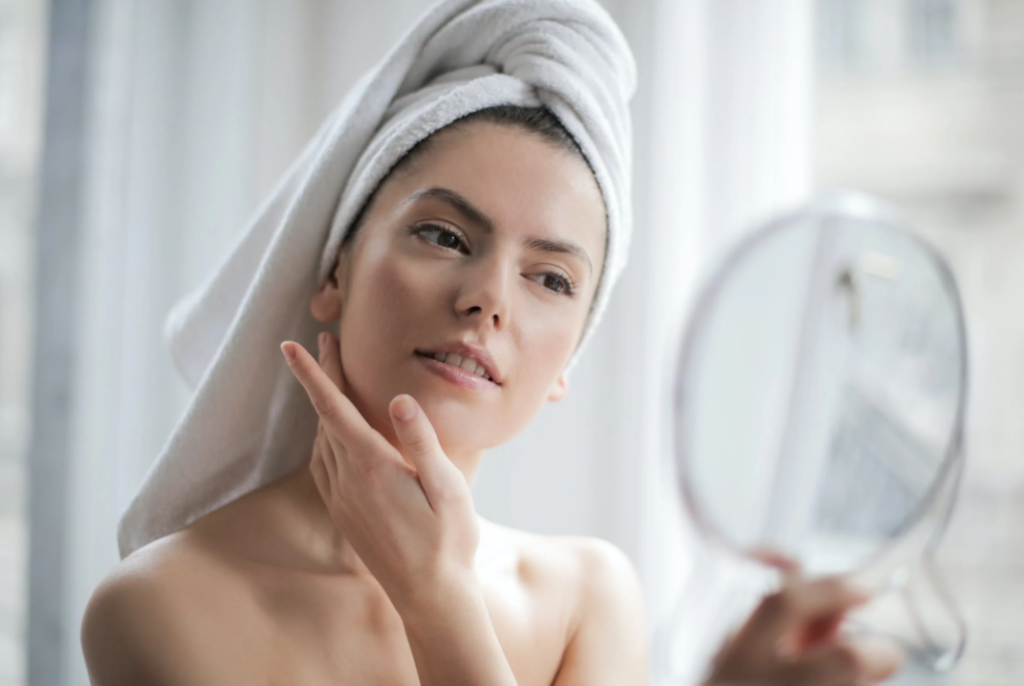
As we age, our skin condition changes. The connective tissue in our skin gradually decreases, affecting its strength and elasticity, leading to wear and wrinkles. Our sebaceous glands produce less oil, making it harder to maintain smooth skin. These changes can cause many skin problems, such as wrinkles and sagging.
The following supplements may help slow down the aging process of the skin:
Collagen
Collagen is a natural product of the skin, helping to maintain its structure and plumpness. Aging causes a decrease in collagen levels. Some studies have found that collagen supplementation may help slow down collagen loss and a range of signs of skin aging.
Vitamin E
Vitamin EIt is one of the most effective antioxidants, effectively combating disease-causing free radicals that can damage cells and lead to cellular aging.
Curcumin
Curcumin, the main component of the spice turmeric, is also a powerful antioxidant. It may have anti-aging properties for the skin. Curcumin has been found to help slow cellular aging and early cell death, and may help extend cell lifespan. Studies in laboratory settings have shown that curcumin is associated with increased lifespan in fruit flies, nematodes, and mice. This suggests that curcumin may slow the aging process and help prevent age-related diseases.
leather covering (for handbags etc)
There are many causes of dry skin, such as dry, cold weather or seasonal changes, dehydration, allergies, and even vitamin deficiencies. The following supplements can also help relieve dry skin:
fish oil
Two fatty acids in fish oil have been shown to have anti-inflammatory and healing properties for dry skin. A study in mice showed that mice supplemented with oral fish oil had significantly increased skin hydration, while itching and moisture loss were reduced, compared to mice that did not receive fish oil supplementation.
Vitamin D
Vitamin D is an essential component of a healthy skin barrier and skin cell growth. It helps with other anti-inflammatory skin problems, making it a helpful supplement for those with dry skin. Some studies have correlated vitamin D with low skin hydration.
Vitamin C
Vitamin CIt is a powerful antioxidant and is essential for collagen production, which helps maintain the plumpness and moisture of our skin. In some studies, vitamin C helps improve the skin's protective barrier and reduce moisture loss, which can lead to dry skin.