

























































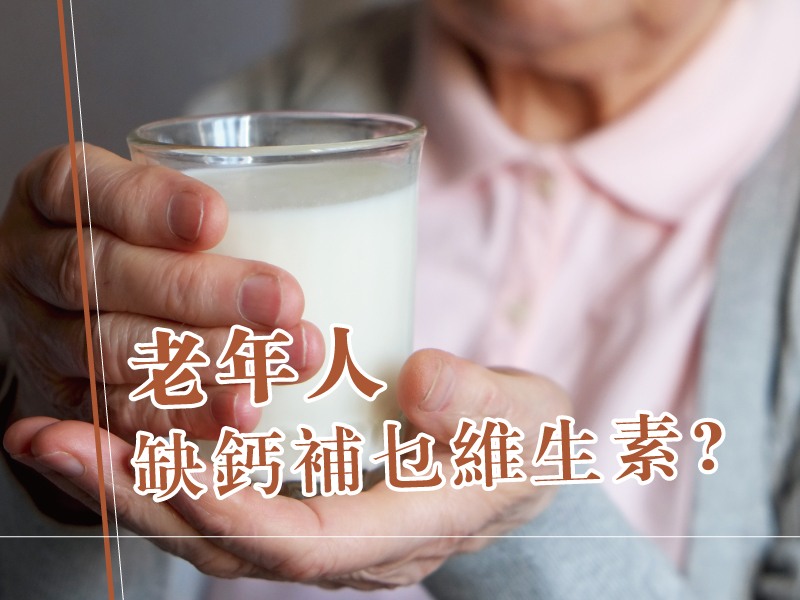
Let's start with the key points:As we age, bone loss accelerates, and many older adults face the risk of calcium deficiency and osteoporosis. From a nutritional perspective, the key is not just "calcium supplementation," but ensuring that calcium is absorbed and utilized by the body—this requires the assistance of vitamin D, as well as the participation of nutrients such as vitamin K and protein. The following explains the roles and dietary sources of calcium, vitamin D, and vitamin K, and provides a reminder:Supplements cannot replace doctor-prescribed osteoporosis treatment. If you have a relevant medical history, you should consult your doctor before taking any supplements.
- Why should older adults pay special attention to calcium and bone health?
- Calcium: How much do you need daily, and where do you get it?
- Vitamin D: Key to calcium absorption
- Vitamin K2 and other co-nutrients
- How to adjust diet and lifestyle
- How to choose supplements, and in what situations should you consult a doctor first?
- Frequently Asked Questions (FAQ)
- Source of information
Why should older adults pay special attention to calcium and bone health?
As we age, the intestines absorb calcium less efficiently; hormonal changes (especially in postmenopausal women) also accelerate bone loss. Older adults who fall have a significantly higher risk of fractures and subsequent complications. Therefore, maintaining adequate calcium and vitamin D levels is fundamental to bone health, but this does not mean that supplementation alone can "cure" or "reverse" osteoporosis.
Calcium: How much do you need daily, and where do you get it?
- The recommended daily calcium intake for the average elderly person is approximately [amount missing]. 1000–1200 mg(Depending on age, gender and health condition, please refer to professional guidance).
- Prioritize obtaining these nutrients from your diet: dairy products, firm tofu, dark green vegetables (such as kale and amaranth), small dried fish that can be eaten with bones, sesame seeds, and calcium-fortified soy milk.
- A single calcium supplement should not contain too much calcium.Smaller doses administered in divided doses are better absorbed.Those whose daily diet is sufficient do not necessarily need additional supplements.
Vitamin D: Key to calcium absorption
Vitamin D is a fat-soluble vitamin (commonly known as D2 ergocalciferol and D3 cholecalciferol). Its main function is to promote the absorption of calcium and phosphorus in the intestines, maintain the balance of blood calcium and phosphorus, and is very important for bone health.
- source:Moderate sun exposure promotes skin synthesis; foods such as fatty fish (salmon, sardines), egg yolks, fortified milk or cereals; supplements may be used after evaluation by a doctor or pharmacist if necessary.
- Why are older people prone to deficiencies?The skin's ability to synthesize vitamin D declines with age. Coupled with reduced outdoor activities and limited dietary intake, vitamin D levels in the body are prone to be low, which should not be ignored.
Vitamin K2 and other co-nutrients
- Vitamin K2:It helps calcium deposit into bones and reduces abnormal calcium buildup in blood vessels. Food sources include natto, hard cheese, and egg yolks.
- protein:Sufficient protein helps maintain muscles and bones; it can be obtained from fish, beans, eggs, and dairy products.
- Regarding "cod liver oil":Cod liver oil does contain fat-soluble vitamins, but at the same time...Rich in Vitamin ALong-term, high-dose intake carries a risk of overdose, especially for those taking certain medications. If you wish to supplement with vitamin D, consider pure vitamin D preparations and consult a doctor first, rather than relying on cod liver oil.
How to adjust diet and lifestyle
- Balanced diet:Sufficient calcium, high-quality protein, vegetables and fruits.
- Moderate weight-bearing exercise:Activities such as walking and Tai Chi can help stimulate bones and maintain muscle strength.
- Preventing falls:Home care includes preventing slips, ensuring adequate lighting, and regular vision and medication checkups.
- Lifestyle habits:No smoking, moderate caffeine and alcohol consumption.
How to choose supplements, and in what situations should you consult a doctor first?
- Calcium supplements come in various forms (such as calcium carbonate, calcium citrate, etc.). Calcium carbonate is generally better absorbed when taken with meals; calcium citrate can also be taken on an empty stomach.The claim that "liquid calcium is better absorbed" is not absolute.—Absorption depends on the dosage form, single dose, and individual gastrointestinal condition, with the key factors being total daily intake and tolerance.
- It is not recommended to take calcium supplements regularly for a long period of time on your own.Calcium supplements are different from prescription drugs; if osteoporosis has been diagnosed, a doctor may prescribe specific medications, which require evaluation and prescription by a physician and cannot be replaced by supplements.
Frequently Asked Questions (FAQ)
How much calcium should older adults take every day?
The typical dosage is approximately 1000 mg of TP1 and 1200 mg of T (including dietary intake). A single supplement should not be too high; multiple doses are better for absorption. Actual needs depend on age, gender, and health condition; please consult a professional or doctor for guidance.
How long do you need to be exposed to the sun to get Vitamin D?
The effectiveness varies depending on skin tone, season, latitude, and the day's UV radiation. Hong Kong, located at a low latitude, may benefit from approximately 101 Tb/t 15 minutes of sun exposure on the arms; however, older adults experience a decline in skin's synthetic capacity, and...Intentional sun exposure is not recommended.Supplements may be used if necessary after evaluation.
Is liquid calcium really more easily absorbed than tablets?
There is no clear evidence that "liquid calcium is necessarily better absorbed." Absorption depends on the dosage form, the single dose, and individual circumstances; the choice should be based on tolerability and total intake.
Can calcium and vitamin D supplements treat osteoporosis?
Nutritional supplements cannot replace doctor-prescribed osteoporosis treatment. Nutritional supplements are a basic and supportive measure for bone health; those diagnosed should follow their doctor's advice for evaluation and treatment.
Is cod liver oil suitable for older adults to supplement vitamin D?
Cod liver oil is high in vitamin A, but long-term high doses may pose a risk of overdose. If you need to supplement vitamin D, you can consider pure vitamin D preparations, but consult a doctor first.
Source of information
- Hong Kong Department of Health Family Health Service (Bone and Nutrition Related Health Education)
- NHS — Osteoporosis:https://www.nhs.uk/conditions/osteoporosis/
- Bone Health & Osteoporosis Foundation:https://www.bonehealthandosteoporosis.org/
Before publishing, please ensure that the above links are enabled and that the content supports the corresponding statements; if necessary, supplement with official sources from Hong Kong.
Related Products:
-
Sale!

Jamieson – Calcium Concentrate 650mg + Vitamin D3 400IU 120 capsules
Original price was: $108.00.$78.00Current price is: $78.00. Add to basket -
Sale!
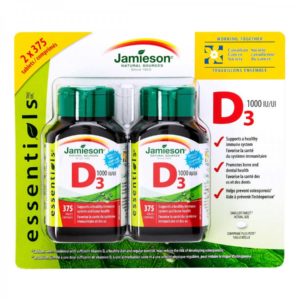
Jamieson – Vitamin D3 1000IU 375 Capsules 2-pack
Original price was: $180.00.$148.00Current price is: $148.00. Add to basket -
Sale!
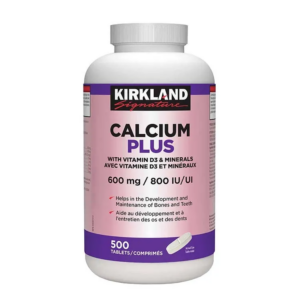
Kirkland Signature – Calcium & Vitamin D3 & Minerals 600mg 800IU 500 Tablets
Original price was: $198.00.$168.00Current price is: $168.00. Add to basket -
Sale!
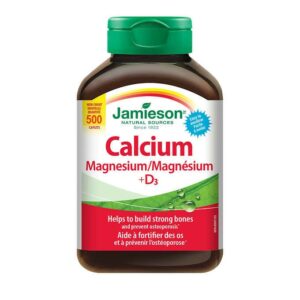
Jamieson – Calcium Magnesium & Vitamin D3 Value Plus 500 Capsules
Original price was: $180.00.$145.00Current price is: $145.00. Add to basket
Related Post:
![香港小單位的餐桌旁,一對伴侶正在吃早餐,窗外是密集的高樓住宅]()
Hong Kong Whey Protein Buying Guide: Types, Daily Serving Size, Price, and Buying Pitfalls
![母親用滴管把少量植物藻油滴在食物匙上,幼兒坐在餐桌旁]()
A Complete Guide to Plant-Based Algae Oil Omega-3: Odorless, Vegetarian, and Suitable Omega-3 Choices for Pregnant Women and Infants
![牛樟芝子實體與膠囊製品示意]()
What is Antrodia camphorata? A complete guide to its ingredients, research evidence, and precautions for consumption.
![世界心臟日護心飲食場景,香港中年夫婦享用豆漿、豆腐、雞蛋與堅果,旁有心臟及細胞膜卡通示意]()
World Heart Day: Heart Health in Hong Kong Starts with Daily Life | What are the Benefits of Lecithin? Which of Three 1200mg Products to Choose From?